
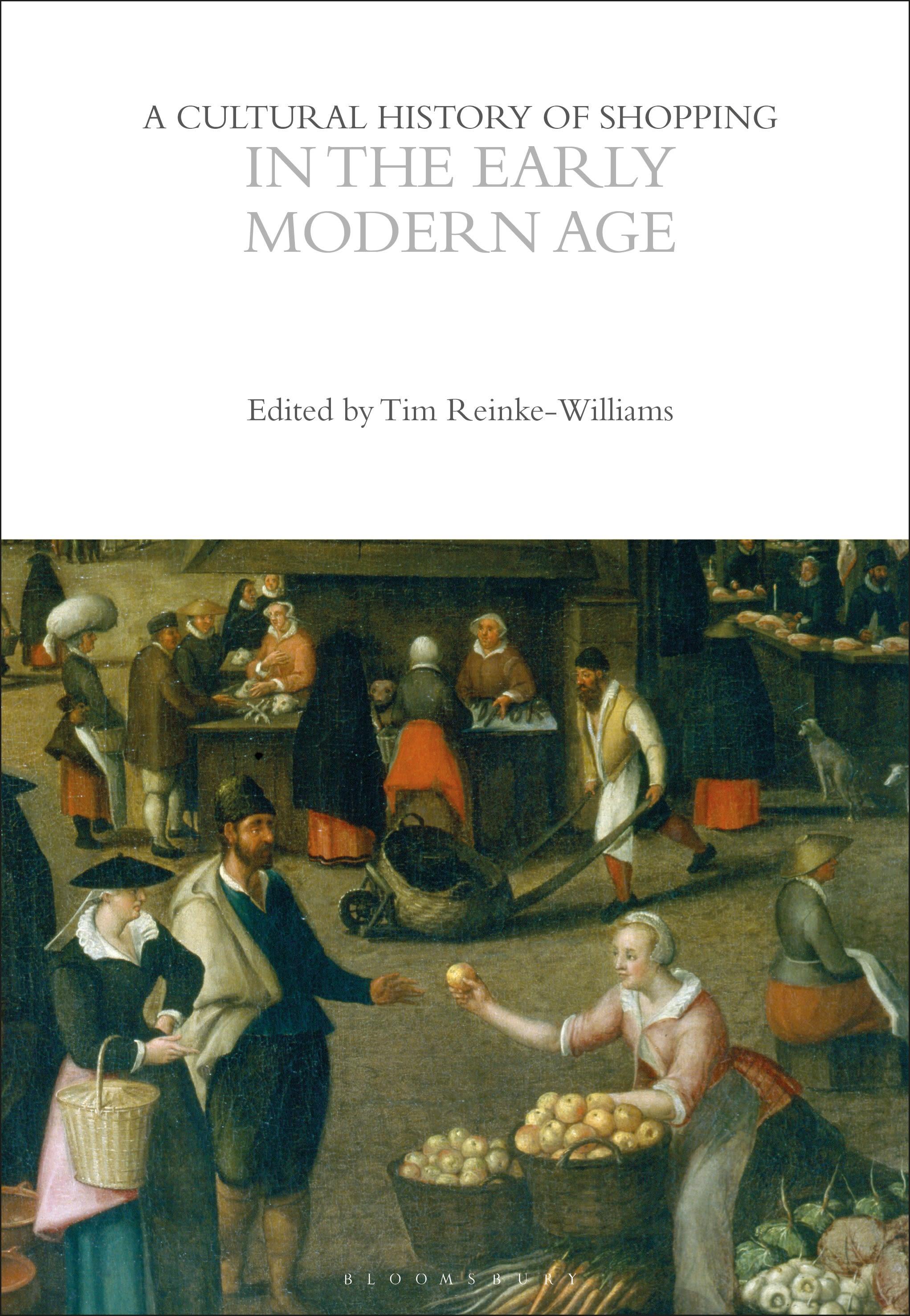
A Cultural History of Shopping was a Library Journal Best in Reference selection for 2022.
Across Europe, the Early Modern period was marked by political, religious and cultural upheaval, and saw the emergence of the first global economy, developments which profoundly impacted how people shopped and what they were able to buy. This volume engages with the key debates around continuity and change in consumer behavior in the 'long 16th century' and the ways in which shopping became an educational and exciting act for many women, men and children across the social spectrum: shops and market stalls were filled with an increasingly wide range of goods made by skilled craftspeople and transported by merchants making evermore ambitious and lucrative journeys across the world. Even servants and the poor were exposed to these new things, for they could consume by eye and ear what they could not afford to take home in material form. Although they did not yet have a word for the activity of “shopping,” in this period men and women came to understand that this activity was more than a functional act to acquire necessities.
A Cultural History of Shopping in the Early Modern Age presents an overview of the period with themes addressing practices and processes; spaces and places; shoppers and identities; luxury and everyday; home and family; visual and literary representations; reputation, trust and credit; and governance, regulation and the state.
Across Europe, the Early Modern period was marked by political, religious and cultural upheaval, and saw the emergence of the first global economy, developments which profoundly impacted how people shopped and what they were able to buy. This volume engages with the key debates around continuity and change in consumer behavior in the 'long 16th century' and the ways in which shopping became an educational and exciting act for many women, men and children across the social spectrum: shops and market stalls were filled with an increasingly wide range of goods made by skilled craftspeople and transported by merchants making evermore ambitious and lucrative journeys across the world. Even servants and the poor were exposed to these new things, for they could consume by eye and ear what they could not afford to take home in material form. Although they did not yet have a word for the activity of “shopping,” in this period men and women came to understand that this activity was more than a functional act to acquire necessities.
A Cultural History of Shopping in the Early Modern Age presents an overview of the period with themes addressing practices and processes; spaces and places; shoppers and identities; luxury and everyday; home and family; visual and literary representations; reputation, trust and credit; and governance, regulation and the state.
Paga facilmente con carta, Klarna, Apple Pay o Google Pay. Non sei soddisfatto? Hai sempre 14 giorni per il rimborso. Leggi di più nei nostri termini. Per qualsiasi domanda, scrivici a hello@memmo.org.
Memmo rende lo studio più facile, ovunque tu sia nel mondo. Qui trovi i tuoi libri di testo e strumenti di studio intelligenti, tutto in un unico posto: riassunti, quiz, podcast e flashcard. E poi c'è Ted, il tuo compagno di studio che risponde a ogni tua domanda. Oltre 50.000 studenti studiano già qui: è stato creato per aiutarti a imparare più velocemente e a stressarti meno.