
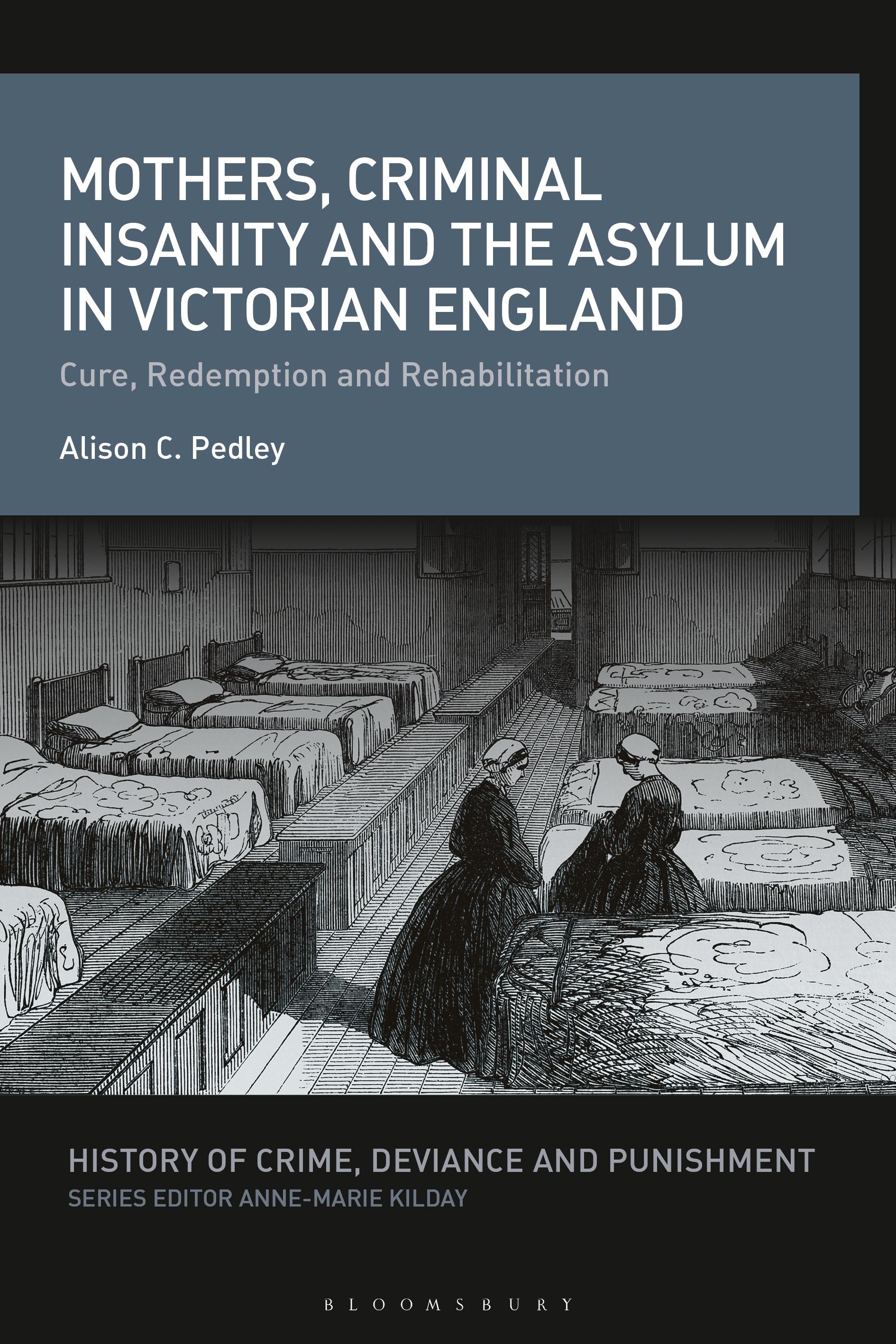
Tracing the experiences of women who were designated insane by judicial processes from 1850 to 1900, this book considers the ideas and purposes of incarceration in three dedicated facilities: Bethlem, Fisherton House and Broadmoor. The majority of these patients had murdered, or attempted to murder, their own children but were not necessarily condemned as incurably evil by medical and legal authorities, nor by general society. Alison C. Pedley explores how insanity gave the Victorians an acceptable explanation for these dreadful crimes, and as a result, how admission to a dedicated asylum was viewed as the safest and most human solution for the 'madwomen' as well as for society as a whole.
Mothers, Criminal Insanity and the Asylum in Victorian England considers the experiences, treatments and regimes women underwent in an attempt to redeem and rehabilitate them, and return them to into a patriarchal society. It shows how society's views of the institutions and insanity were not necessarily negative or coloured by fear and revulsion, and highlights the changes in attitudes to female criminal lunacy in the second half of the 19th century. Through extensive and detailed research into the three asylums' archives and in legal, governmental, press and genealogical records, this book sheds new light on the views of the patients themselves, and contributes to the historiography of Victorian criminal lunatic asylums, conceptualising them as places of recovery, rehabilitation and restitution.
Mothers, Criminal Insanity and the Asylum in Victorian England considers the experiences, treatments and regimes women underwent in an attempt to redeem and rehabilitate them, and return them to into a patriarchal society. It shows how society's views of the institutions and insanity were not necessarily negative or coloured by fear and revulsion, and highlights the changes in attitudes to female criminal lunacy in the second half of the 19th century. Through extensive and detailed research into the three asylums' archives and in legal, governmental, press and genealogical records, this book sheds new light on the views of the patients themselves, and contributes to the historiography of Victorian criminal lunatic asylums, conceptualising them as places of recovery, rehabilitation and restitution.
Paga facilmente con carta, Klarna, Apple Pay o Google Pay. Non sei soddisfatto? Hai sempre 14 giorni per il rimborso. Leggi di più nei nostri termini. Per qualsiasi domanda, scrivici a hello@memmo.org.
Memmo rende lo studio più facile, ovunque tu sia nel mondo. Qui trovi i tuoi libri di testo e strumenti di studio intelligenti, tutto in un unico posto: riassunti, quiz, podcast e flashcard. E poi c'è Ted, il tuo compagno di studio che risponde a ogni tua domanda. Oltre 50.000 studenti studiano già qui: è stato creato per aiutarti a imparare più velocemente e a stressarti meno.