
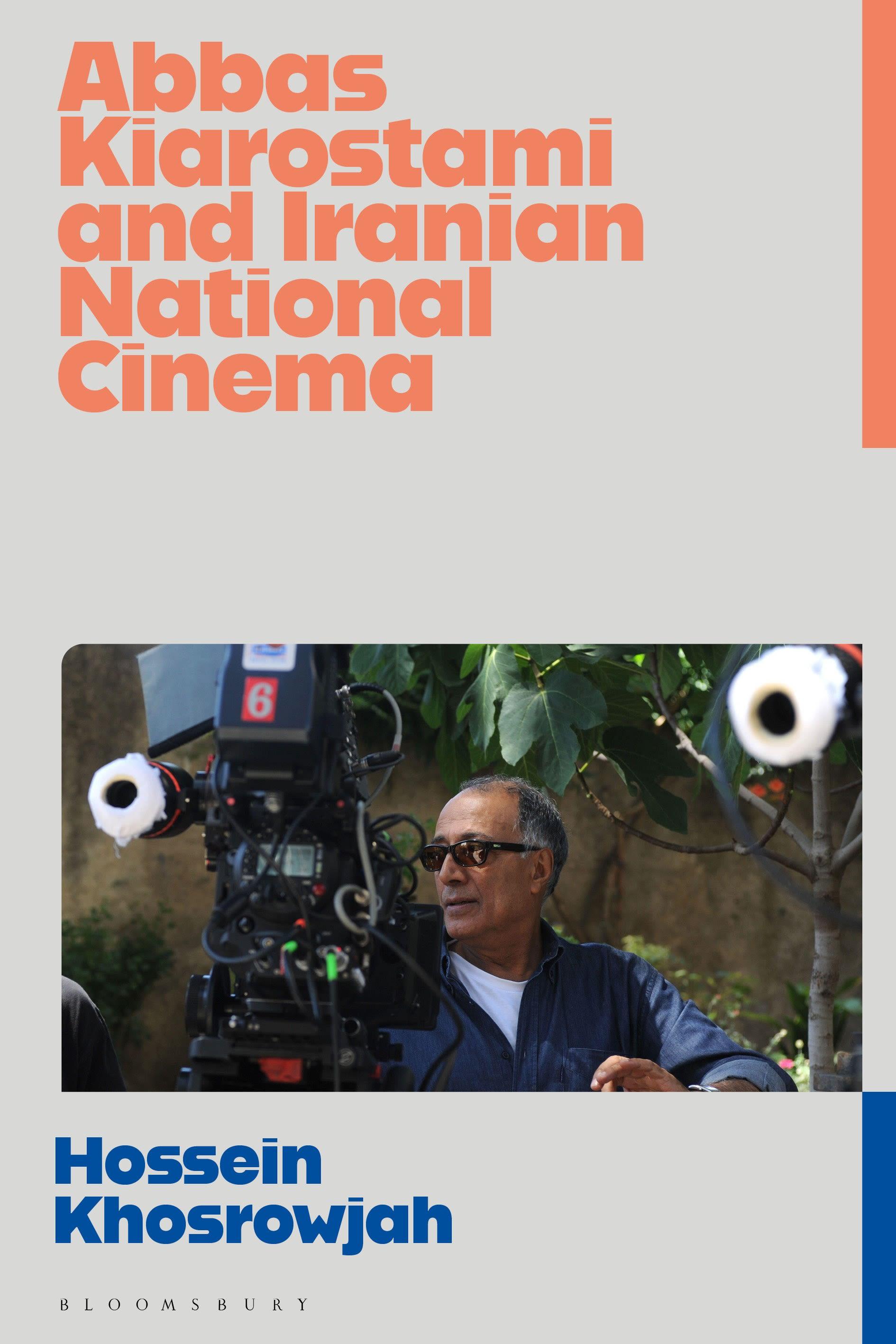
The films of Abbas Kiarostami (1940-2016) are at once ambiguous and singular, challenging easy categorisation in national, generic, and formal terms. In this insightful study, Hossein Khosrowjah provides an in-depth exploration of Kiarostami's body of work, considering how his filmmaking confronts questions of cinematic representation, identity, and the myth of national unity.
Challenging prevailing auteurist readings of Kiarostami's work, Hossein Khosrowjah firmly anchors his filmmaking within the historical context of Iranian national cinema. Through a close reading of key films, including Close-Up (1990), Taste of Cherry (1997), The Wind Will Carry Us (1999), and 10 (2002), he explores Kiarostami's radically anti-allegorical representational strategies. He goes on to examine the national and global circulation of his films, considering the role of censorship within Iran and the intersection of art, politics and the complexities of creative freedom.
He traces the continuing emphasis on partiality and the singularity of representations-of subjects, time, and location-across Kiarostami's films, arguing that it is through this intentional ambiguity that his cinema reshapes notions of nation and national identity, challenges conventions and broadens the scope for cinematic expression.
Challenging prevailing auteurist readings of Kiarostami's work, Hossein Khosrowjah firmly anchors his filmmaking within the historical context of Iranian national cinema. Through a close reading of key films, including Close-Up (1990), Taste of Cherry (1997), The Wind Will Carry Us (1999), and 10 (2002), he explores Kiarostami's radically anti-allegorical representational strategies. He goes on to examine the national and global circulation of his films, considering the role of censorship within Iran and the intersection of art, politics and the complexities of creative freedom.
He traces the continuing emphasis on partiality and the singularity of representations-of subjects, time, and location-across Kiarostami's films, arguing that it is through this intentional ambiguity that his cinema reshapes notions of nation and national identity, challenges conventions and broadens the scope for cinematic expression.
Pagine: 240
Categoria: Film- & Medievetenskap
e-ISBN: 9781350274372
Peso di spedizione: 1.2 kg
Spedito in: 1-2 giorni
Paga facilmente con carta, Klarna, Apple Pay o Google Pay. Non sei soddisfatto? Hai sempre 14 giorni per il rimborso. Leggi di più nei nostri termini. Per qualsiasi domanda, scrivici a hello@memmo.org.
Memmo rende lo studio più facile, ovunque tu sia nel mondo. Qui trovi i tuoi libri di testo e strumenti di studio intelligenti, tutto in un unico posto: riassunti, quiz, podcast e flashcard. E poi c'è Ted, il tuo compagno di studio che risponde a ogni tua domanda. Oltre 50.000 studenti studiano già qui: è stato creato per aiutarti a imparare più velocemente e a stressarti meno.