
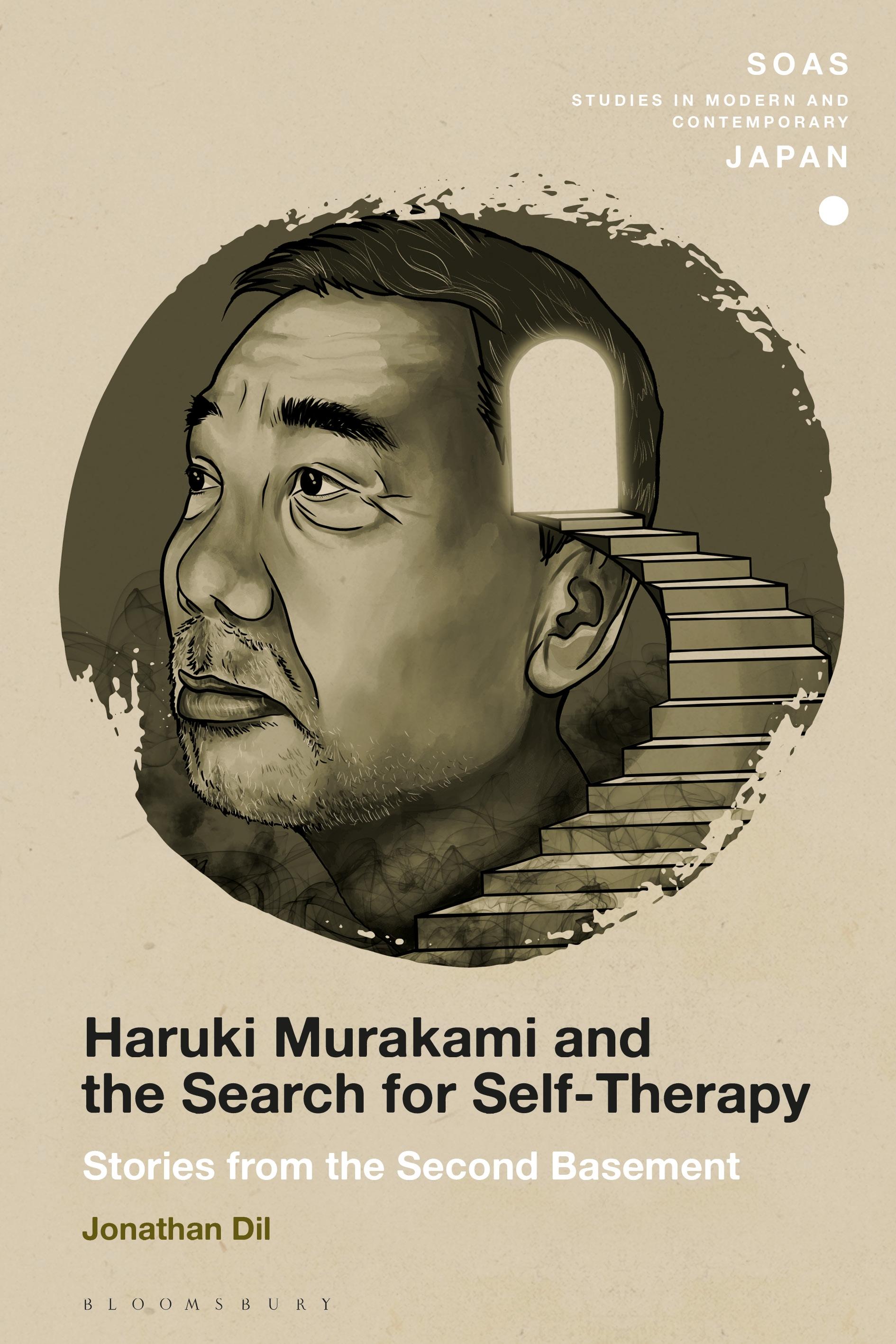
Haruki Murakami, a global literary phenomenon, has said that he started writing fiction as a means of self-therapy. What he has not discussed as much is what he needed self-therapy for. This book argues that by understanding more about why Murakami writes, and by linking this with the question of how he writes, readers can better understand what he writes. Murakami's fiction, in other words, can be read as a search for self-therapy.
In five chapters which explore Murakami's fourteen novels to date, this book argues that there are four prominent therapeutic threads woven through Murakami's fiction that can be traced back to his personal traumas - most notably Murakami's falling out with his late father and the death of a former girlfriend – and which have also transcended them in significant ways as they have been transformed into literary fiction. The first thread looks at the way melancholia must be worked through for mourning to occur and healing to happen; the second thread looks at how symbolic acts of sacrifice can help to heal intergenerational trauma; the third thread looks at the way people with avoidant attachment styles can begin to open themselves up to love again; the fourth thread looks at how individuation can manifest as a response to nihilism.
Meticulously researched and written with sensitivity, the result is a sophisticated exploration of Murakami's published novels as an evolving therapeutic project that will be of great value to all scholars of Japanese literature and culture.
In five chapters which explore Murakami's fourteen novels to date, this book argues that there are four prominent therapeutic threads woven through Murakami's fiction that can be traced back to his personal traumas - most notably Murakami's falling out with his late father and the death of a former girlfriend – and which have also transcended them in significant ways as they have been transformed into literary fiction. The first thread looks at the way melancholia must be worked through for mourning to occur and healing to happen; the second thread looks at how symbolic acts of sacrifice can help to heal intergenerational trauma; the third thread looks at the way people with avoidant attachment styles can begin to open themselves up to love again; the fourth thread looks at how individuation can manifest as a response to nihilism.
Meticulously researched and written with sensitivity, the result is a sophisticated exploration of Murakami's published novels as an evolving therapeutic project that will be of great value to all scholars of Japanese literature and culture.
Pagine: 272
Categoria: Litteraturvetenskap & Teori
e-ISBN: 9781350270565
Peso di spedizione: 1.2 kg
Spedito in: 1-2 giorni
Paga facilmente con carta, Klarna, Apple Pay o Google Pay. Non sei soddisfatto? Hai sempre 14 giorni per il rimborso. Leggi di più nei nostri termini. Per qualsiasi domanda, scrivici a hello@memmo.org.
Memmo rende lo studio più facile, ovunque tu sia nel mondo. Qui trovi i tuoi libri di testo e strumenti di studio intelligenti, tutto in un unico posto: riassunti, quiz, podcast e flashcard. E poi c'è Ted, il tuo compagno di studio che risponde a ogni tua domanda. Oltre 50.000 studenti studiano già qui: è stato creato per aiutarti a imparare più velocemente e a stressarti meno.