
Winner of the British Association of Film, Television and Screen Studies Best First Monograph Award
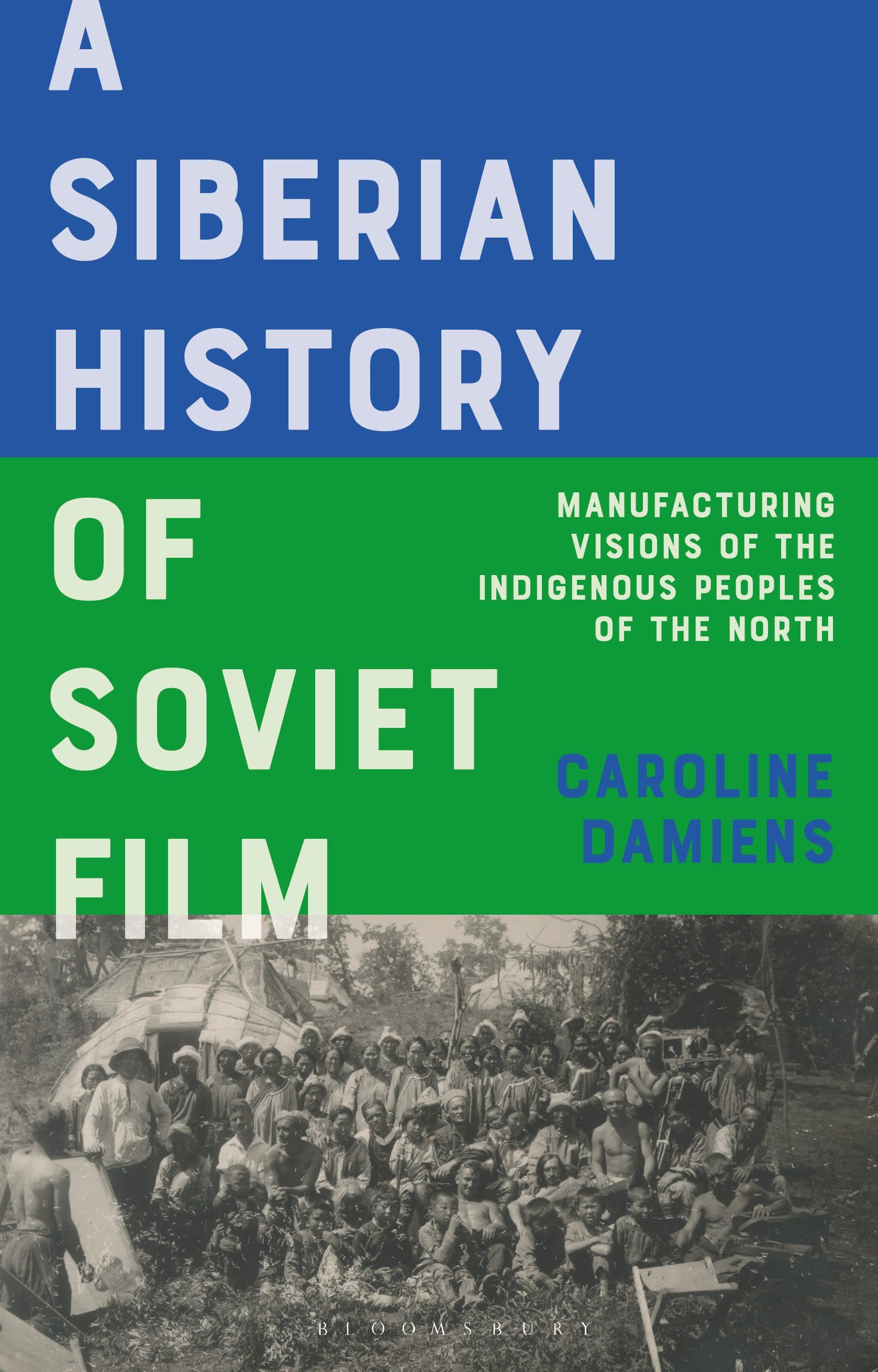
In A Siberian History of Soviet Film, Caroline Damiens explores how the depictions of the indigenous 'Peoples of the North' in Soviet cinema and television evolved between 1920 and 1980.
Damiens combines a detailed analysis of key works such as Forest People (1928), Igdenbu (1930), Dersu Uzala (1961 & 1975), Tymancha's Friend (1969) and The Most Beautiful Ships (1972), with primary sources like press articles, archives, and interviews, to reveal how these cinematic portrayals were created and negotiated, providing insight into the concepts of progress and authenticity in the Soviet context. She emphasises the role of indigenous individuals in shaping their cinematic image, both in front of and behind the camera, highlighting the works of lesser-known figures like Suntsai Geonka, Zinaida Pikunova, and Iurii Rytkheu. In doing so, Damiens emphasises the multifaceted nature of film, where interpretations differ based on the perspectives of those involved.
Using a decolonial approach and drawing from extensive archival materials, Damiens prompts a re-evaluation of the Soviet cinematic past and present by centring indigenous voices in the narrative. In doing so, she provides a thorough exploration of the intricate relationship between culture, representation, and identity in Soviet cinema.
In A Siberian History of Soviet Film, Caroline Damiens explores how the depictions of the indigenous 'Peoples of the North' in Soviet cinema and television evolved between 1920 and 1980.
Damiens combines a detailed analysis of key works such as Forest People (1928), Igdenbu (1930), Dersu Uzala (1961 & 1975), Tymancha's Friend (1969) and The Most Beautiful Ships (1972), with primary sources like press articles, archives, and interviews, to reveal how these cinematic portrayals were created and negotiated, providing insight into the concepts of progress and authenticity in the Soviet context. She emphasises the role of indigenous individuals in shaping their cinematic image, both in front of and behind the camera, highlighting the works of lesser-known figures like Suntsai Geonka, Zinaida Pikunova, and Iurii Rytkheu. In doing so, Damiens emphasises the multifaceted nature of film, where interpretations differ based on the perspectives of those involved.
Using a decolonial approach and drawing from extensive archival materials, Damiens prompts a re-evaluation of the Soviet cinematic past and present by centring indigenous voices in the narrative. In doing so, she provides a thorough exploration of the intricate relationship between culture, representation, and identity in Soviet cinema.
Pagine: 320
Categoria: Film- & Medievetenskap
e-ISBN: 9781350269897
Peso di spedizione: 1.2 kg
Spedito in: 1-2 giorni
Paga facilmente con carta, Klarna, Apple Pay o Google Pay. Non sei soddisfatto? Hai sempre 14 giorni per il rimborso. Leggi di più nei nostri termini. Per qualsiasi domanda, scrivici a hello@memmo.org.
Memmo rende lo studio più facile, ovunque tu sia nel mondo. Qui trovi i tuoi libri di testo e strumenti di studio intelligenti, tutto in un unico posto: riassunti, quiz, podcast e flashcard. E poi c'è Ted, il tuo compagno di studio che risponde a ogni tua domanda. Oltre 50.000 studenti studiano già qui: è stato creato per aiutarti a imparare più velocemente e a stressarti meno.