
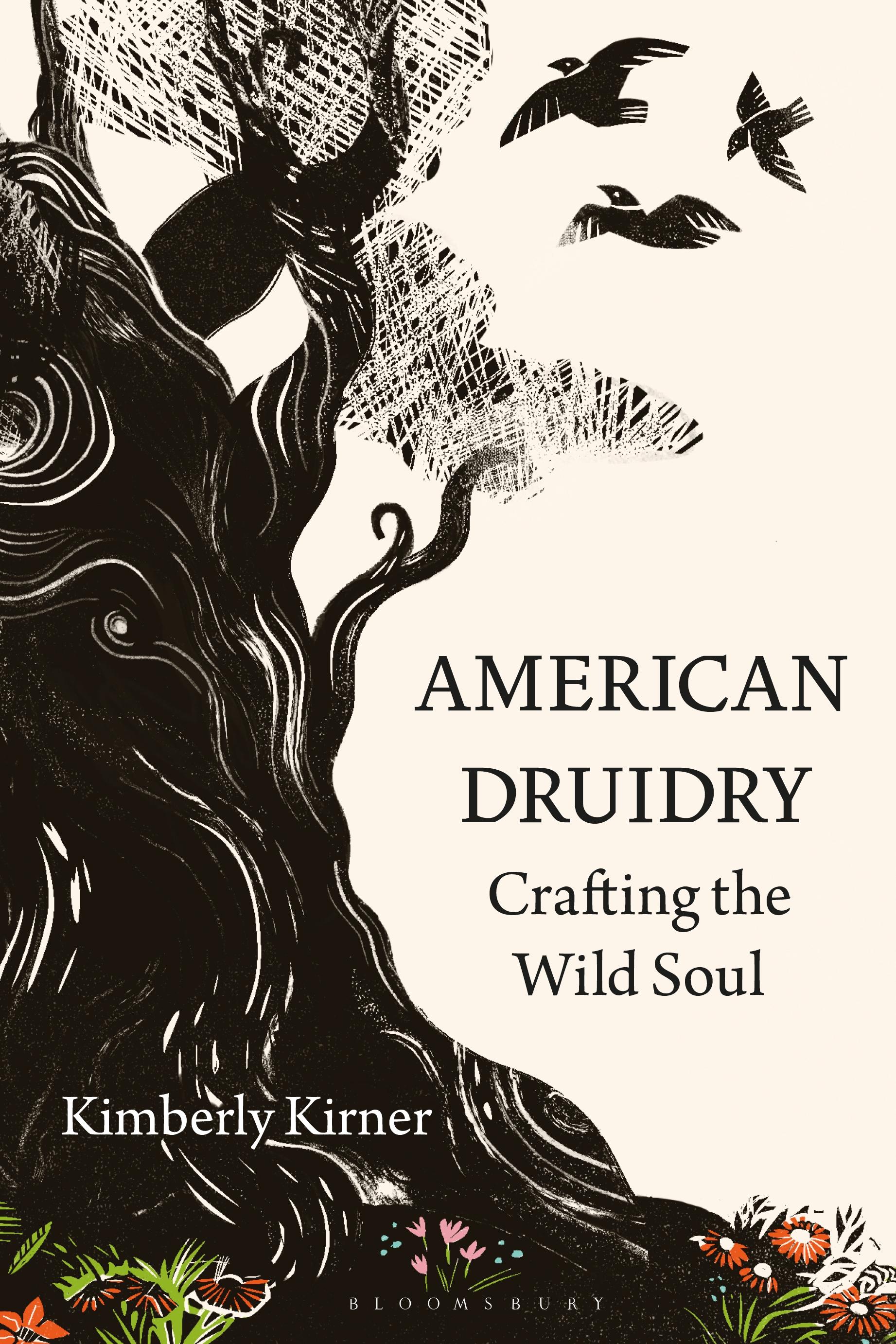
Approaching Druidry as an emerging religious movement that offers an alternative to the mainstream materialist, consumerist culture of the United States, Kimberly Kirner analyses her own life as a Druid through the lens of her profession as a cultural anthropologist.
Interweaving lively stories of her life as a Druid with accessible analytical essays drawing from an unusual array of literature from the anthropology of religion, the anthropology of consciousness, organizational anthropology, cognitive anthropology, and ethnoecology, she leads the reader into an experiential and conceptual understanding of Druidry as a way of life and as a contemporary Western new religious movement that challenges Christo-centric definitions of religion.
Reflecting on three domains of the Druidic life, the author describes the Druidic worldview (place, time, and the body), community (relational spirituality), and vocation (ethics and action). These descriptions are punctuated with reflective essays that question the boundaries and nature of religion as it is generally understood in the Western world by examining how Druidry might be understood using concepts more appropriate to Druids' conceptualizations of themselves.
Interweaving lively stories of her life as a Druid with accessible analytical essays drawing from an unusual array of literature from the anthropology of religion, the anthropology of consciousness, organizational anthropology, cognitive anthropology, and ethnoecology, she leads the reader into an experiential and conceptual understanding of Druidry as a way of life and as a contemporary Western new religious movement that challenges Christo-centric definitions of religion.
Reflecting on three domains of the Druidic life, the author describes the Druidic worldview (place, time, and the body), community (relational spirituality), and vocation (ethics and action). These descriptions are punctuated with reflective essays that question the boundaries and nature of religion as it is generally understood in the Western world by examining how Druidry might be understood using concepts more appropriate to Druids' conceptualizations of themselves.
Paga facilmente con carta, Klarna, Apple Pay o Google Pay. Non sei soddisfatto? Hai sempre 14 giorni per il rimborso. Leggi di più nei nostri termini. Per qualsiasi domanda, scrivici a hello@memmo.org.
Memmo rende lo studio più facile, ovunque tu sia nel mondo. Qui trovi i tuoi libri di testo e strumenti di studio intelligenti, tutto in un unico posto: riassunti, quiz, podcast e flashcard. E poi c'è Ted, il tuo compagno di studio che risponde a ogni tua domanda. Oltre 50.000 studenti studiano già qui: è stato creato per aiutarti a imparare più velocemente e a stressarti meno.