
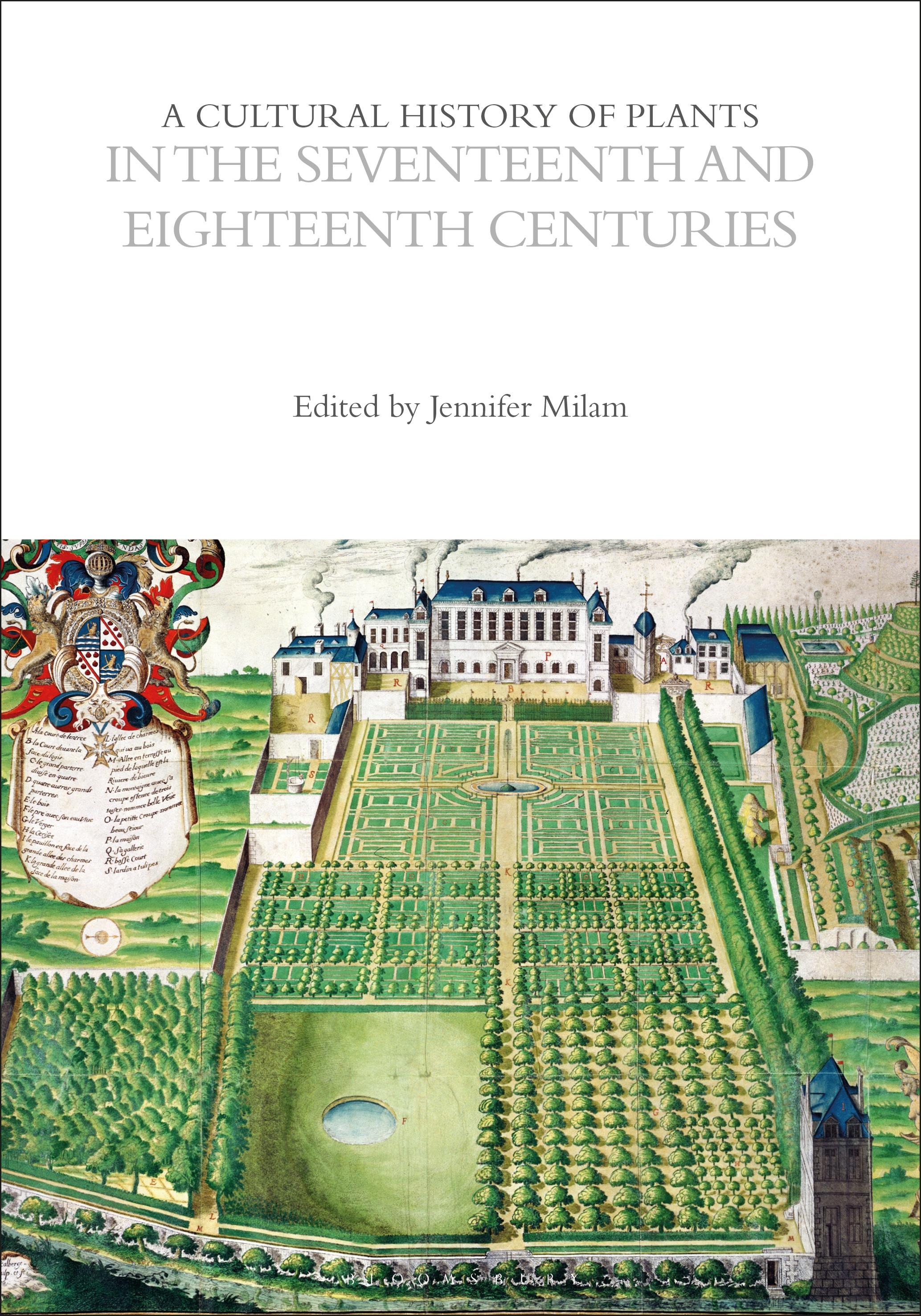
A Cultural History of Plants in the Seventeenth and Eighteenth Centuries covers the period from 1650 to 1800,a time of global exploration and the discovery of new species of plants and their potential uses. Trade routes were established which brought Europeans into direct contact with the plants and people of Asia, Oceania, Africa and the Americas. Foreign and exotic plants become objects of cultivation, collection, and display, whilst the applications of plants became central not only to naturalists, landowners, and gardeners but also to philosophers, artists, merchants, scientists, and rulers. As the Enlightenment took hold, the natural world became something to be grasped through reasoned understanding.
The 6 volume set of the Cultural History of Plants presents the first comprehensive history of the uses and meanings of plants from prehistory to today. The themes covered in each volume are plants as staple foods; plants as luxury foods; trade and exploration; plant technology and science; plants and medicine; plants in culture; plants as natural ornaments; the representation of plants.
Jennifer Milam is Pro Vice-Chancellor and Professor of Art History, University of Newcastle, Australia.
Volume 4 in the Cultural History of Plants set.
General Editors: Annette Giesecke, University of Delaware, USA, and David Mabberley, University of Oxford, UK.
The 6 volume set of the Cultural History of Plants presents the first comprehensive history of the uses and meanings of plants from prehistory to today. The themes covered in each volume are plants as staple foods; plants as luxury foods; trade and exploration; plant technology and science; plants and medicine; plants in culture; plants as natural ornaments; the representation of plants.
Jennifer Milam is Pro Vice-Chancellor and Professor of Art History, University of Newcastle, Australia.
Volume 4 in the Cultural History of Plants set.
General Editors: Annette Giesecke, University of Delaware, USA, and David Mabberley, University of Oxford, UK.
Paga facilmente con carta, Klarna, Apple Pay o Google Pay. Non sei soddisfatto? Hai sempre 14 giorni per il rimborso. Leggi di più nei nostri termini. Per qualsiasi domanda, scrivici a hello@memmo.org.
Memmo rende lo studio più facile, ovunque tu sia nel mondo. Qui trovi i tuoi libri di testo e strumenti di studio intelligenti, tutto in un unico posto: riassunti, quiz, podcast e flashcard. E poi c'è Ted, il tuo compagno di studio che risponde a ogni tua domanda. Oltre 50.000 studenti studiano già qui: è stato creato per aiutarti a imparare più velocemente e a stressarti meno.