
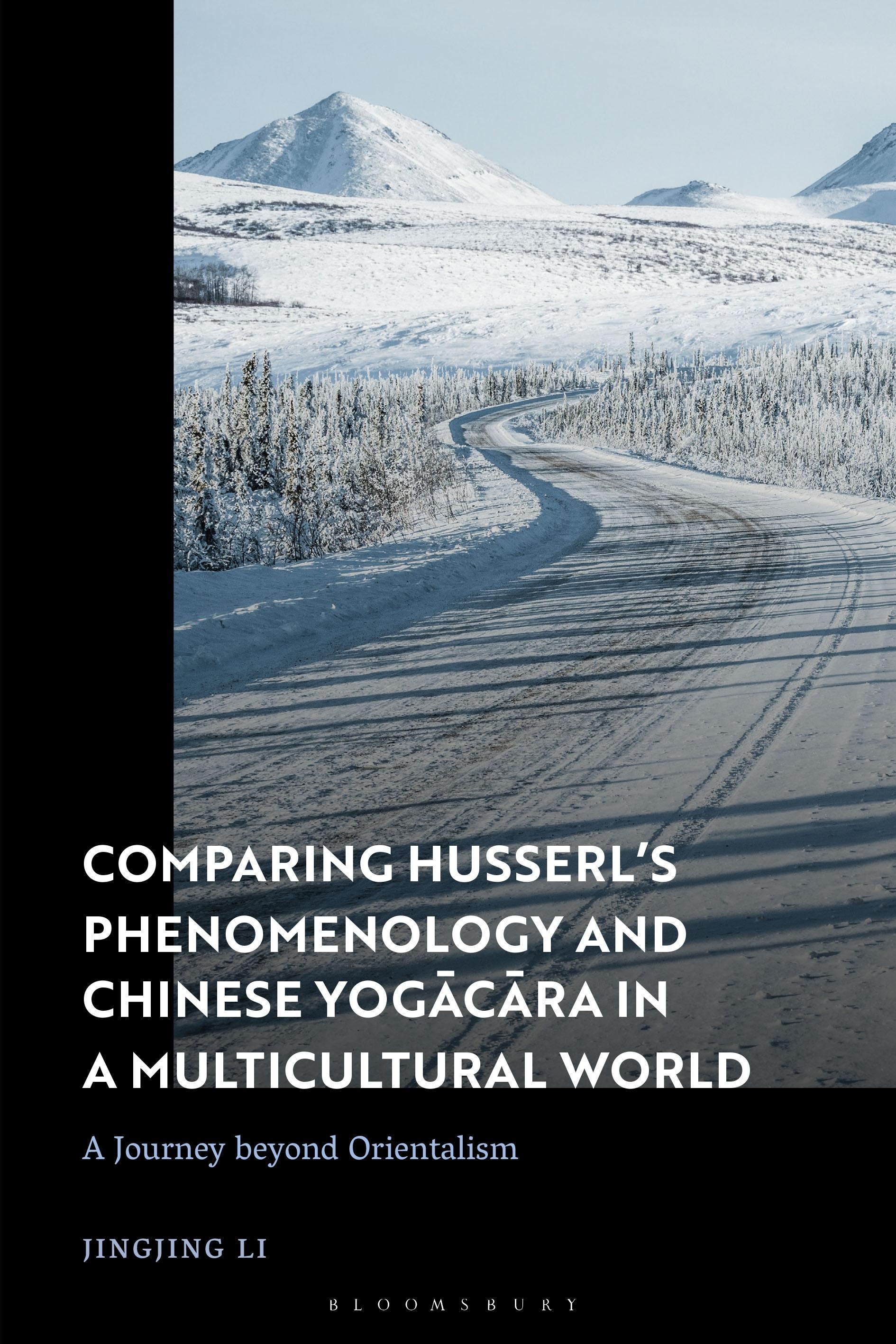
How is constructive cultural exchange possible when traditions hold such contradictory views? Jingjing Li brings Edmund Husserl's phenomenology and Chinese Yogacara Buddhism into dialogue to explore the concept of essence.
While phenomenology and Yogacara Buddhism are both known for their investigations of consciousness, there exists a core tension between them: phenomenology affirms the existence of essence, whereas Yogacara Buddhism argues that everything is empty of essence (svabhava). Answering this question and positioning both philosophical traditions in their respective intellectual and linguistic contexts, Li argues that what Husserl means by essence differs from what Chinese Yogacarins mean by svabhava. We see how Husserl problematises the substantialist understanding of essence in European philosophy.
Detailing the process of finding a middle ground between the two traditions, Li's rich study demonstrates how both can thrive together in order to overcome Orientalism. She reveals that Chinese Yogacara has developed a distinct account of self-transformation, ethics and social ontology that renders it much more than simply a Buddhist version of Husserlian phenomenology.
While phenomenology and Yogacara Buddhism are both known for their investigations of consciousness, there exists a core tension between them: phenomenology affirms the existence of essence, whereas Yogacara Buddhism argues that everything is empty of essence (svabhava). Answering this question and positioning both philosophical traditions in their respective intellectual and linguistic contexts, Li argues that what Husserl means by essence differs from what Chinese Yogacarins mean by svabhava. We see how Husserl problematises the substantialist understanding of essence in European philosophy.
Detailing the process of finding a middle ground between the two traditions, Li's rich study demonstrates how both can thrive together in order to overcome Orientalism. She reveals that Chinese Yogacara has developed a distinct account of self-transformation, ethics and social ontology that renders it much more than simply a Buddhist version of Husserlian phenomenology.
Paga facilmente con carta, Klarna, Apple Pay o Google Pay. Non sei soddisfatto? Hai sempre 14 giorni per il rimborso. Leggi di più nei nostri termini. Per qualsiasi domanda, scrivici a hello@memmo.org.
Memmo rende lo studio più facile, ovunque tu sia nel mondo. Qui trovi i tuoi libri di testo e strumenti di studio intelligenti, tutto in un unico posto: riassunti, quiz, podcast e flashcard. E poi c'è Ted, il tuo compagno di studio che risponde a ogni tua domanda. Oltre 50.000 studenti studiano già qui: è stato creato per aiutarti a imparare più velocemente e a stressarti meno.