
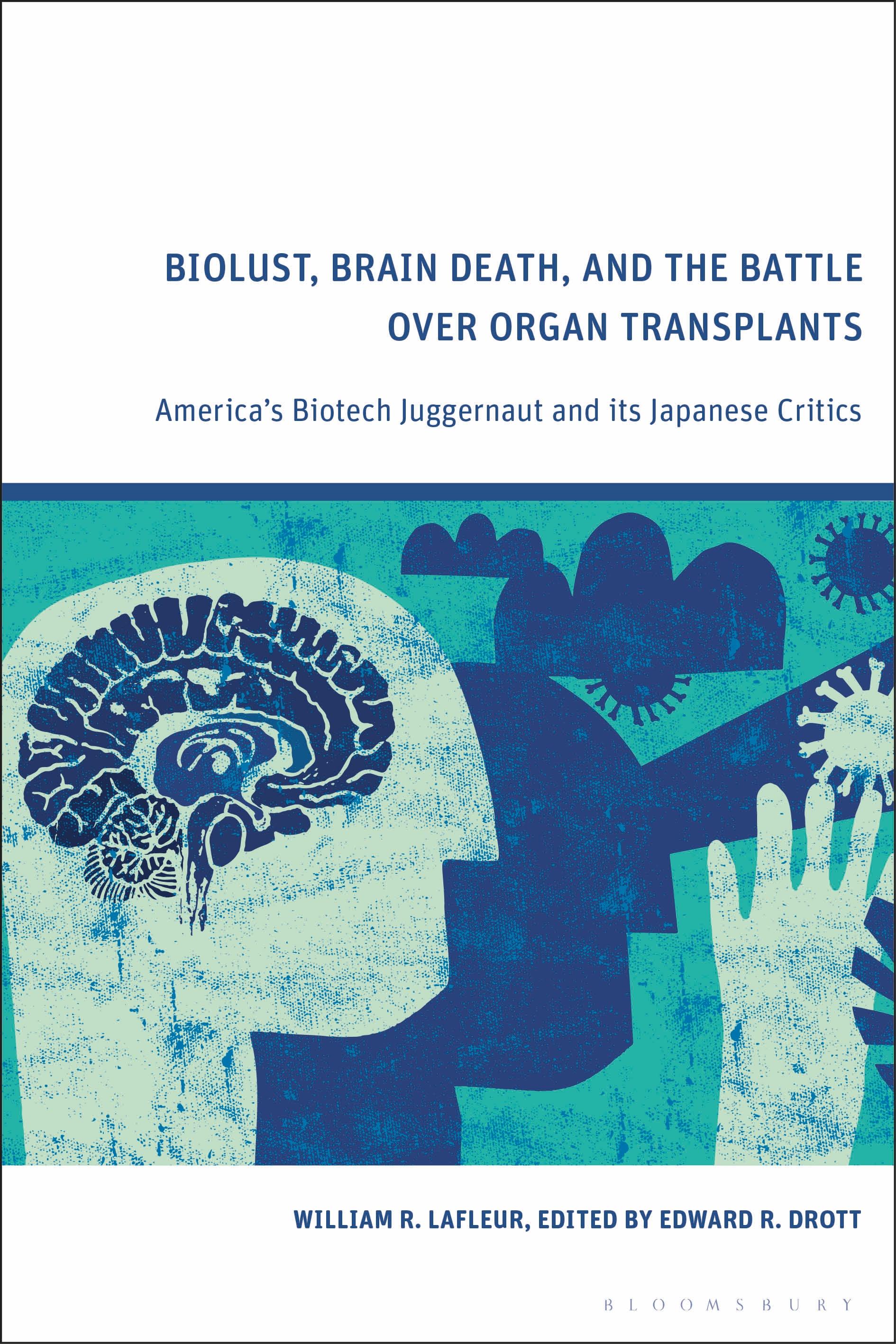
William LaFleur (1936-2010), an eminent scholar of Japanese studies, left behind a substantial number of influential publications, as well as several unpublished works. The most significant of these examines debates concerning the practice of organ transplantation in Japan and the United States, and is published here for the first time.
This provocative book challenges the North American medical and bioethical consensus that considers the transplantation of organs from brain dead donors as an unalloyed good. It joins a growing chorus of voices that question the assumption that brain death can be equated facilely with death. It provides a deep investigation of debates in Japan, introducing numerous Japanese bioethicists whose work has never been treated in English. It also provides a history of similar debates in the United States, problematizing the commonly held view that the American public was quick and eager to accept the redefinition of death.
A work of intellectual and social history, this book also directly engages with questions that grow ever more relevant as the technologies we develop to extend life continue to advance. While the benefits of these technologies are obvious, their costs are often more difficult to articulate. Calling attention to the risks associated with our current biotech trajectory, LaFleur stakes out a highly original position that does not fall neatly onto either side of contemporary US ideological divides.
This provocative book challenges the North American medical and bioethical consensus that considers the transplantation of organs from brain dead donors as an unalloyed good. It joins a growing chorus of voices that question the assumption that brain death can be equated facilely with death. It provides a deep investigation of debates in Japan, introducing numerous Japanese bioethicists whose work has never been treated in English. It also provides a history of similar debates in the United States, problematizing the commonly held view that the American public was quick and eager to accept the redefinition of death.
A work of intellectual and social history, this book also directly engages with questions that grow ever more relevant as the technologies we develop to extend life continue to advance. While the benefits of these technologies are obvious, their costs are often more difficult to articulate. Calling attention to the risks associated with our current biotech trajectory, LaFleur stakes out a highly original position that does not fall neatly onto either side of contemporary US ideological divides.
Pagine: 288
Categoria: Medicin & Omvårdnad
e-ISBN: 9781350255012
Peso di spedizione: 1.2 kg
Spedito in: 1-2 giorni
Paga facilmente con carta, Klarna, Apple Pay o Google Pay. Non sei soddisfatto? Hai sempre 14 giorni per il rimborso. Leggi di più nei nostri termini. Per qualsiasi domanda, scrivici a hello@memmo.org.
Memmo rende lo studio più facile, ovunque tu sia nel mondo. Qui trovi i tuoi libri di testo e strumenti di studio intelligenti, tutto in un unico posto: riassunti, quiz, podcast e flashcard. E poi c'è Ted, il tuo compagno di studio che risponde a ogni tua domanda. Oltre 50.000 studenti studiano già qui: è stato creato per aiutarti a imparare più velocemente e a stressarti meno.