
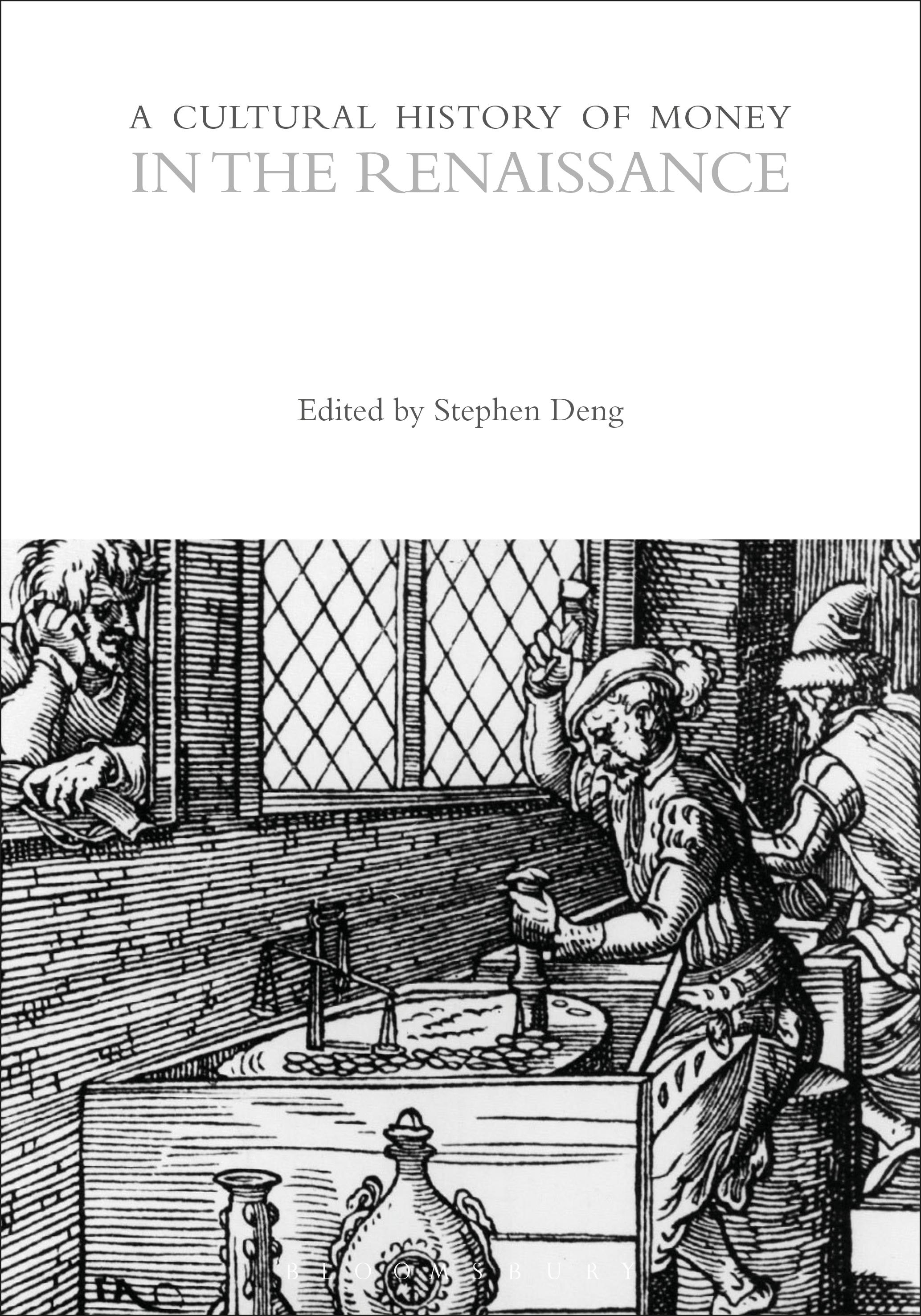
In a time before large banking systems, and with paper money just in its infancy, money during the Renaissance meant coinage (mainly gold and silver) and local credit systems. These monetary forms had a significant influence on the ways in which money was understood throughout the period, and shaped discussions on such topics as the meaning of monetary value, the economic, political, religious, and aesthetic uses of coinage, the moral implications of usury and credit systems, and the importance of reputation, both at the state and individual levels. Crucial to the transformation of ideas about money in the period was the growing awareness that the individuals, up to and including the monarch, were powerless to overcome the market forces that determined value and directed the movement of goods and money.
Drawing upon a wealth of visual and textual sources, A Cultural History of Money in the Renaissance presents essays that examine key cultural case studies of the period on the themes of technologies, ideas, ritual and religion, the everyday, art and representation, interpretation, and the issues of the age.
Drawing upon a wealth of visual and textual sources, A Cultural History of Money in the Renaissance presents essays that examine key cultural case studies of the period on the themes of technologies, ideas, ritual and religion, the everyday, art and representation, interpretation, and the issues of the age.
Paga facilmente con carta, Klarna, Apple Pay o Google Pay. Non sei soddisfatto? Hai sempre 14 giorni per il rimborso. Leggi di più nei nostri termini. Per qualsiasi domanda, scrivici a hello@memmo.org.
Memmo rende lo studio più facile, ovunque tu sia nel mondo. Qui trovi i tuoi libri di testo e strumenti di studio intelligenti, tutto in un unico posto: riassunti, quiz, podcast e flashcard. E poi c'è Ted, il tuo compagno di studio che risponde a ogni tua domanda. Oltre 50.000 studenti studiano già qui: è stato creato per aiutarti a imparare più velocemente e a stressarti meno.