
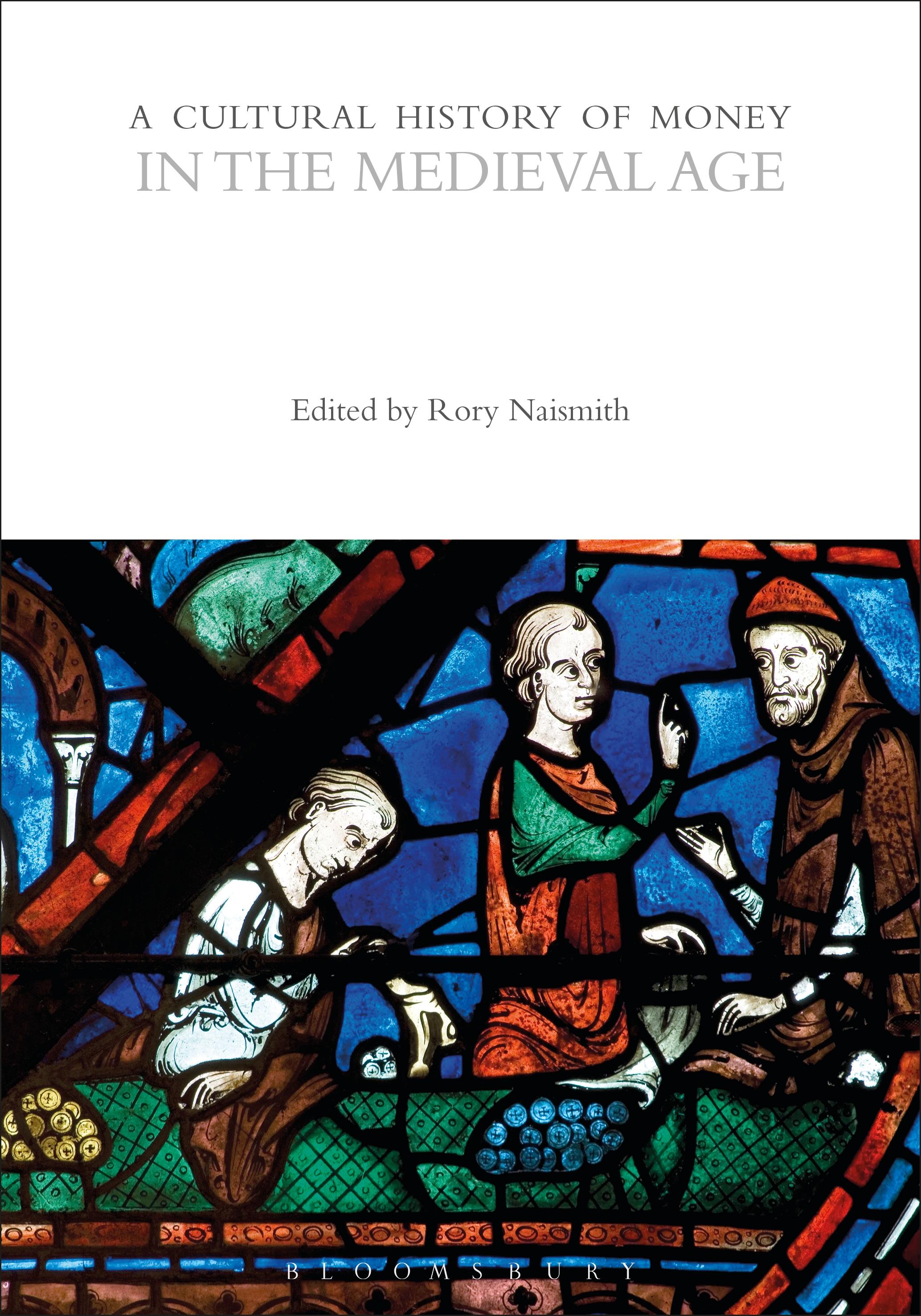
Money provides a unique and illuminating perspective on the Middle Ages. In much of medieval Europe the central meaning of money was a prescribed unit of precious metal but in practice precious metal did not necessarily change hands and indeed coinage was very often in short supply. Money had economic, institutional, social, and cultural dimensions which developed the legacy of antiquity and set the scene for modern developments including the rise of capitalism and finance as well as a moralized discourse on the proper and improper uses of money. In its many forms - coin, metal, commodity, and concept - money played a central role in shaping the character of medieval society and, in turn, offers a vivid reflection of the distinctive features of medieval civilization.
Drawing upon a wealth of visual and textual sources, A Cultural History of Money in the Medieval Age presents essays that examine key cultural case studies of the period on the themes of technologies, ideas, ritual and religion, the everyday, art and representation, interpretation, and the issues of the age.
Drawing upon a wealth of visual and textual sources, A Cultural History of Money in the Medieval Age presents essays that examine key cultural case studies of the period on the themes of technologies, ideas, ritual and religion, the everyday, art and representation, interpretation, and the issues of the age.
Paga facilmente con carta, Klarna, Apple Pay o Google Pay. Non sei soddisfatto? Hai sempre 14 giorni per il rimborso. Leggi di più nei nostri termini. Per qualsiasi domanda, scrivici a hello@memmo.org.
Memmo rende lo studio più facile, ovunque tu sia nel mondo. Qui trovi i tuoi libri di testo e strumenti di studio intelligenti, tutto in un unico posto: riassunti, quiz, podcast e flashcard. E poi c'è Ted, il tuo compagno di studio che risponde a ogni tua domanda. Oltre 50.000 studenti studiano già qui: è stato creato per aiutarti a imparare più velocemente e a stressarti meno.