
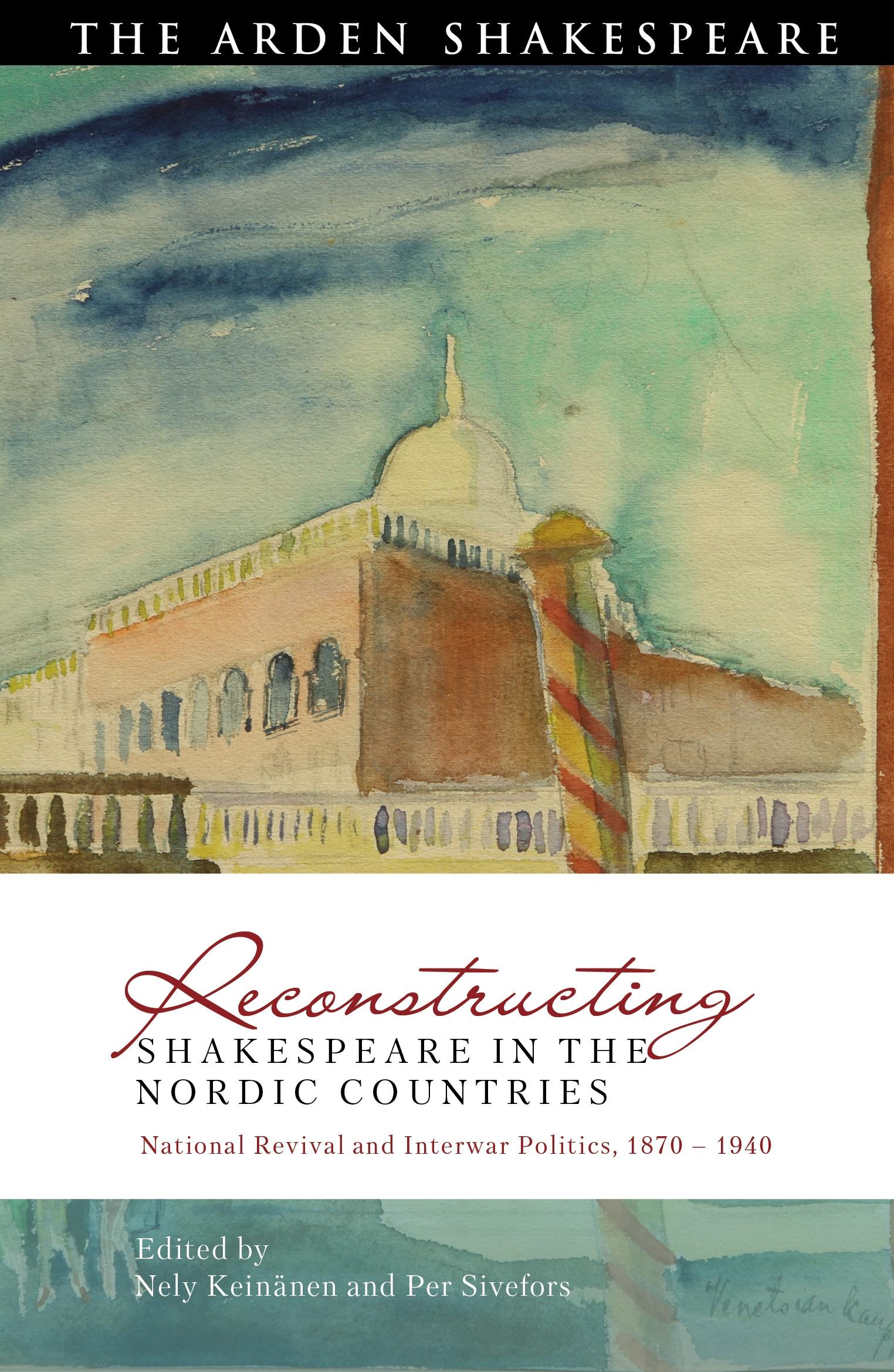
Examining the changing reception of Shakespeare in the Nordic countries between 1870 and 1940, this follow-up volume to Disseminating Shakespeare in the Nordic Countries focuses on the broad movements of national revivalism that took place around the turn of the century as Finland and Norway, and later Iceland, were gaining their independence. The first part of the book demonstrates how translations and productions of Shakespeare were key in such movements, as Shakespeare was appropriated for national and political purposes. The second part explores how the role of Shakespeare in the Nordic countries was partly transformed in the 1920s and 1930s as a new social system emerged, and then as the rise of fascism meant that European politics cast a long shadow on the Nordic countries and substantially affected the reception of Shakespeare.
Contributors trace the impact of early translations of Shakespeare's works into Icelandic, the role of women in the early transmission of Shakespeare in Finland and the first Shakespeare production at the Finnish Theatre, and the productions of Shakespeare's plays at the Norwegian National Theatre between 1899 and the outbreak of the Great War. In Part Two, they examine the political overtones of the 1916 Shakespeare celebrations in Hamlet's 'hometown' of Elsinore, Henrik Rytter's translations of 23 Shakespeare plays into Norwegian to assess their role in his poetics and in Scandinavian literature, the importance of the 1937 production of Hamlet in Kronborg Castle starring Laurence Olivier, and the role of Shakespeare in general and Hamlet in particular in Swedish Nobel laureate Eyvind Johnson's early work where it became a symbol of post-war passivity and rootlessness.
Contributors trace the impact of early translations of Shakespeare's works into Icelandic, the role of women in the early transmission of Shakespeare in Finland and the first Shakespeare production at the Finnish Theatre, and the productions of Shakespeare's plays at the Norwegian National Theatre between 1899 and the outbreak of the Great War. In Part Two, they examine the political overtones of the 1916 Shakespeare celebrations in Hamlet's 'hometown' of Elsinore, Henrik Rytter's translations of 23 Shakespeare plays into Norwegian to assess their role in his poetics and in Scandinavian literature, the importance of the 1937 production of Hamlet in Kronborg Castle starring Laurence Olivier, and the role of Shakespeare in general and Hamlet in particular in Swedish Nobel laureate Eyvind Johnson's early work where it became a symbol of post-war passivity and rootlessness.
Pagine: 286
Categoria: Litteraturvetenskap & Teori
e-ISBN: 9781350251267
Peso di spedizione: 1.2 kg
Spedito in: 1-2 giorni
Paga facilmente con carta, Klarna, Apple Pay o Google Pay. Non sei soddisfatto? Hai sempre 14 giorni per il rimborso. Leggi di più nei nostri termini. Per qualsiasi domanda, scrivici a hello@memmo.org.
Memmo rende lo studio più facile, ovunque tu sia nel mondo. Qui trovi i tuoi libri di testo e strumenti di studio intelligenti, tutto in un unico posto: riassunti, quiz, podcast e flashcard. E poi c'è Ted, il tuo compagno di studio che risponde a ogni tua domanda. Oltre 50.000 studenti studiano già qui: è stato creato per aiutarti a imparare più velocemente e a stressarti meno.