
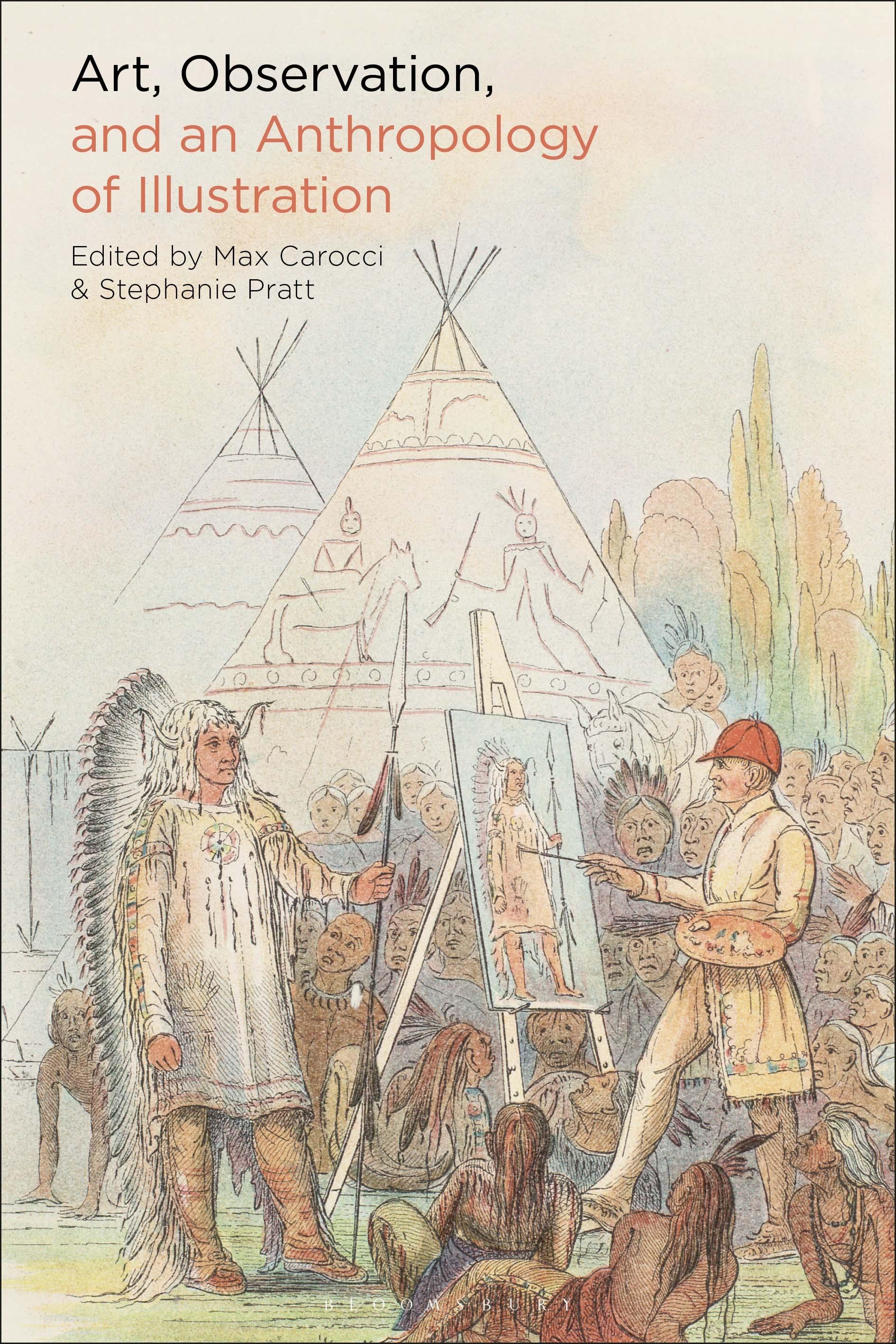
Art, Observation, and an Anthropology of Illustration examines the role of sketches, drawings and other artworks in our understanding of human cultures of the past.
Bringing together art historians and anthropologists, it presents a selection of detailed case studies of various bodies of work produced by non-Western and Western artists from different world regions and from different time periods (from Native North America, Cameroon, and Nepal, to Italy, Solomon Islands, and Mexico) to explore the contemporary relevance and challenges implicit in artistic renditions of past peoples and places.
In an age when identities are partially constructed on the basis of existing visual records, the book asks important questions about the nature of observation and the inclusion of culturally-relevant information in artistic representations. How reliable are watercolours, paintings, or sketches for the understanding of past ways of life? How do old images of bygone peoples relate to art historical and anthropological canons? How have these images and technologies of representation been used to describe, illustrate, or explain unknown realities?
The book is an essential tool for art historians, anthropologists, and anyone who wants to understand how the observation of different realities has impacted upon the production of art and visual cultures. Incorporating current methodological and theoretical tools, the 10 chapters collected here expand the area of connection between the disciplines of art history and anthropology, bringing into sharp focus the multiple intersections of objectivity, evidence, and artistic licence.
Bringing together art historians and anthropologists, it presents a selection of detailed case studies of various bodies of work produced by non-Western and Western artists from different world regions and from different time periods (from Native North America, Cameroon, and Nepal, to Italy, Solomon Islands, and Mexico) to explore the contemporary relevance and challenges implicit in artistic renditions of past peoples and places.
In an age when identities are partially constructed on the basis of existing visual records, the book asks important questions about the nature of observation and the inclusion of culturally-relevant information in artistic representations. How reliable are watercolours, paintings, or sketches for the understanding of past ways of life? How do old images of bygone peoples relate to art historical and anthropological canons? How have these images and technologies of representation been used to describe, illustrate, or explain unknown realities?
The book is an essential tool for art historians, anthropologists, and anyone who wants to understand how the observation of different realities has impacted upon the production of art and visual cultures. Incorporating current methodological and theoretical tools, the 10 chapters collected here expand the area of connection between the disciplines of art history and anthropology, bringing into sharp focus the multiple intersections of objectivity, evidence, and artistic licence.
Pagine: 256
Categoria: Konst, Design & Fotografi
e-ISBN: 9781350248458
Peso di spedizione: 1.2 kg
Spedito in: 1-2 giorni
Paga facilmente con carta, Klarna, Apple Pay o Google Pay. Non sei soddisfatto? Hai sempre 14 giorni per il rimborso. Leggi di più nei nostri termini. Per qualsiasi domanda, scrivici a hello@memmo.org.
Memmo rende lo studio più facile, ovunque tu sia nel mondo. Qui trovi i tuoi libri di testo e strumenti di studio intelligenti, tutto in un unico posto: riassunti, quiz, podcast e flashcard. E poi c'è Ted, il tuo compagno di studio che risponde a ogni tua domanda. Oltre 50.000 studenti studiano già qui: è stato creato per aiutarti a imparare più velocemente e a stressarti meno.