
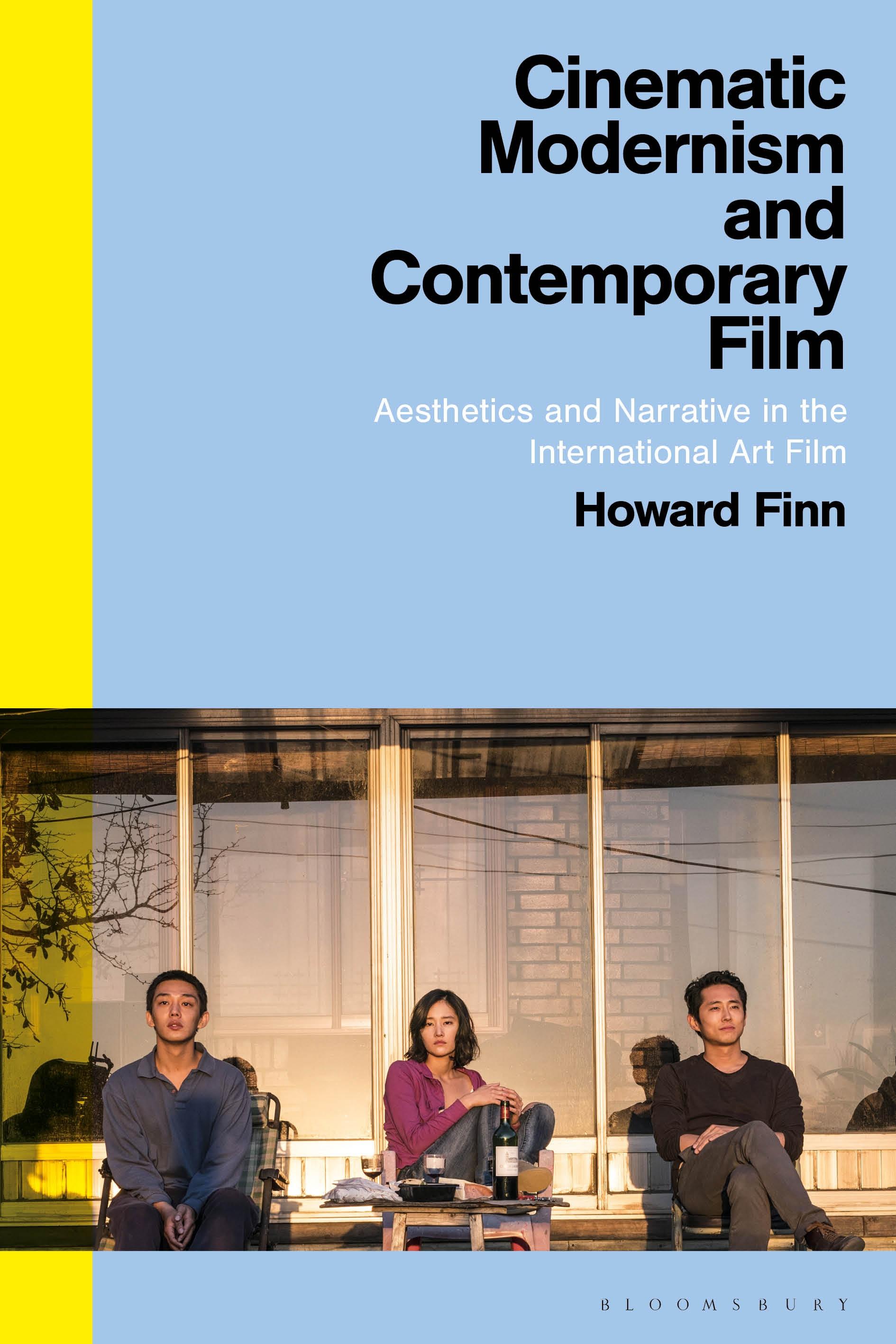
Cinema was the most important new artistic medium of the twentieth century and modernism was the most important new aesthetic movement across the arts in the twentieth century. However, what exactly is the relationship between cinema and modernism?
Cinematic Modernism and Contemporary Film explores how in the early twentieth century cinema came to be seen as one of the new technologies which epitomised modernity and how cinema itself reflected ideas, hopes and fears concerning modern life. Howard Finn examines the emergence of a new 'international style' of cinema, combining a poetic aesthetic of the image with genre-based fictional narrative and documentary realism. He provides concise accounts of how theorists such as André Bazin, Siegfried Kracauer, Gilles Deleuze and Jacques Rancière have discussed this cinematic aesthetic, clarifying debates over terms such as 'realism', 'classical' and 'avant-garde' as well as recent controversies over terms such as 'slow cinema' and 'vernacular modernism'. He further argues the influence of modernism through close readings of many contemporary films, including films by Abbas Kiarostami, Béla Tarr, Jia Zhangke, and Angela Schanelec.
Drawing on a broad range of examples, including Soviet montage, Italian neorealism, postwar new waves and the 'new cinema' of Taiwan and Iran, this book explores the cultural significance of modernism and its lasting influence over cinema.
Cinematic Modernism and Contemporary Film explores how in the early twentieth century cinema came to be seen as one of the new technologies which epitomised modernity and how cinema itself reflected ideas, hopes and fears concerning modern life. Howard Finn examines the emergence of a new 'international style' of cinema, combining a poetic aesthetic of the image with genre-based fictional narrative and documentary realism. He provides concise accounts of how theorists such as André Bazin, Siegfried Kracauer, Gilles Deleuze and Jacques Rancière have discussed this cinematic aesthetic, clarifying debates over terms such as 'realism', 'classical' and 'avant-garde' as well as recent controversies over terms such as 'slow cinema' and 'vernacular modernism'. He further argues the influence of modernism through close readings of many contemporary films, including films by Abbas Kiarostami, Béla Tarr, Jia Zhangke, and Angela Schanelec.
Drawing on a broad range of examples, including Soviet montage, Italian neorealism, postwar new waves and the 'new cinema' of Taiwan and Iran, this book explores the cultural significance of modernism and its lasting influence over cinema.
Pagine: 336
Categoria: Film- & Medievetenskap
e-ISBN: 9781350242579
Peso di spedizione: 1.2 kg
Spedito in: 1-2 giorni
Paga facilmente con carta, Klarna, Apple Pay o Google Pay. Non sei soddisfatto? Hai sempre 14 giorni per il rimborso. Leggi di più nei nostri termini. Per qualsiasi domanda, scrivici a hello@memmo.org.
Memmo rende lo studio più facile, ovunque tu sia nel mondo. Qui trovi i tuoi libri di testo e strumenti di studio intelligenti, tutto in un unico posto: riassunti, quiz, podcast e flashcard. E poi c'è Ted, il tuo compagno di studio che risponde a ogni tua domanda. Oltre 50.000 studenti studiano già qui: è stato creato per aiutarti a imparare più velocemente e a stressarti meno.