
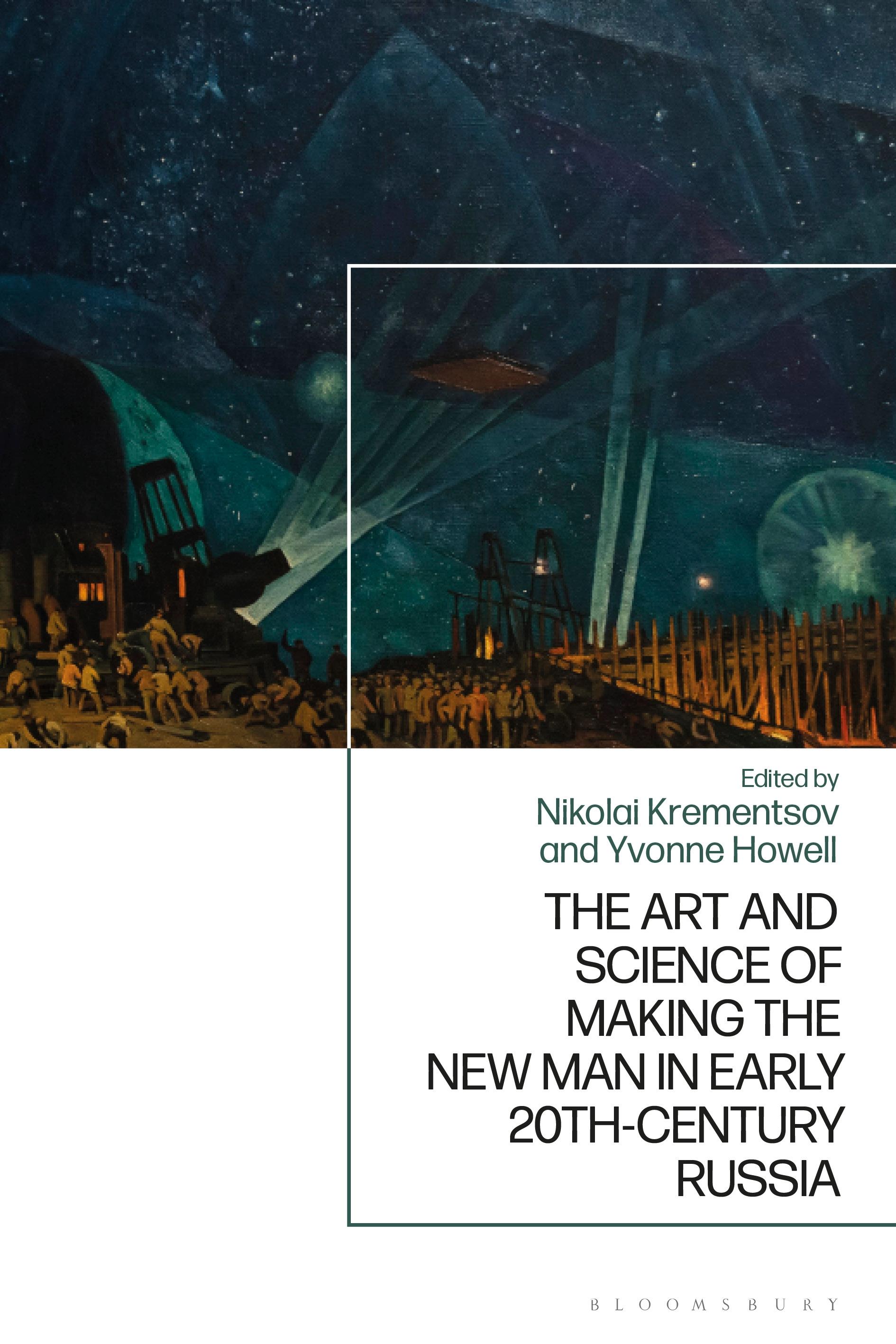
The idea that morally, mentally, and physically superior 'new men' might replace the currently existing mankind has periodically seized the imagination of intellectuals, leaders, and reformers throughout history. This volume offers a multidisciplinary investigation into how the 'new man' was made in Russia and the early Soviet Union in the first third of the 20th century.
The traditional narrative of the Soviet 'new man' as a creature forged by propaganda is challenged by the strikingly new and varied case studies presented here. The book focuses on the interplay between the rapidly developing experimental life sciences, such as biology, medicine, and psychology, and countless cultural products, ranging from film and fiction, dolls and museum exhibits to pedagogical projects, sculptures, and exemplary agricultural fairs. With contributions from scholars based in the United States, Canada, the UK, Germany and Russia, the picture that emerges is emphatically more complex, contradictory, and suggestive of strong parallels with other 'new man' visions in Europe and elsewhere. In contrast to previous interpretations that focused largely on the apparent disconnect between utopian 'new man' rhetoric and the harsh realities of everyday life in the Soviet Union, this volume brings to light the surprising historical trajectories of 'new man' visions, their often obscure origins, acclaimed and forgotten champions, unexpected and complicated results, and mutual interrelations. In short, the volume is a timely examination of a recurring theme in modern history, when dramatic advancements in science and technology conjoin with anxieties about the future to fuel dreams of a new and improved mankind.
The traditional narrative of the Soviet 'new man' as a creature forged by propaganda is challenged by the strikingly new and varied case studies presented here. The book focuses on the interplay between the rapidly developing experimental life sciences, such as biology, medicine, and psychology, and countless cultural products, ranging from film and fiction, dolls and museum exhibits to pedagogical projects, sculptures, and exemplary agricultural fairs. With contributions from scholars based in the United States, Canada, the UK, Germany and Russia, the picture that emerges is emphatically more complex, contradictory, and suggestive of strong parallels with other 'new man' visions in Europe and elsewhere. In contrast to previous interpretations that focused largely on the apparent disconnect between utopian 'new man' rhetoric and the harsh realities of everyday life in the Soviet Union, this volume brings to light the surprising historical trajectories of 'new man' visions, their often obscure origins, acclaimed and forgotten champions, unexpected and complicated results, and mutual interrelations. In short, the volume is a timely examination of a recurring theme in modern history, when dramatic advancements in science and technology conjoin with anxieties about the future to fuel dreams of a new and improved mankind.
Paga facilmente con carta, Klarna, Apple Pay o Google Pay. Non sei soddisfatto? Hai sempre 14 giorni per il rimborso. Leggi di più nei nostri termini. Per qualsiasi domanda, scrivici a hello@memmo.org.
Memmo rende lo studio più facile, ovunque tu sia nel mondo. Qui trovi i tuoi libri di testo e strumenti di studio intelligenti, tutto in un unico posto: riassunti, quiz, podcast e flashcard. E poi c'è Ted, il tuo compagno di studio che risponde a ogni tua domanda. Oltre 50.000 studenti studiano già qui: è stato creato per aiutarti a imparare più velocemente e a stressarti meno.