
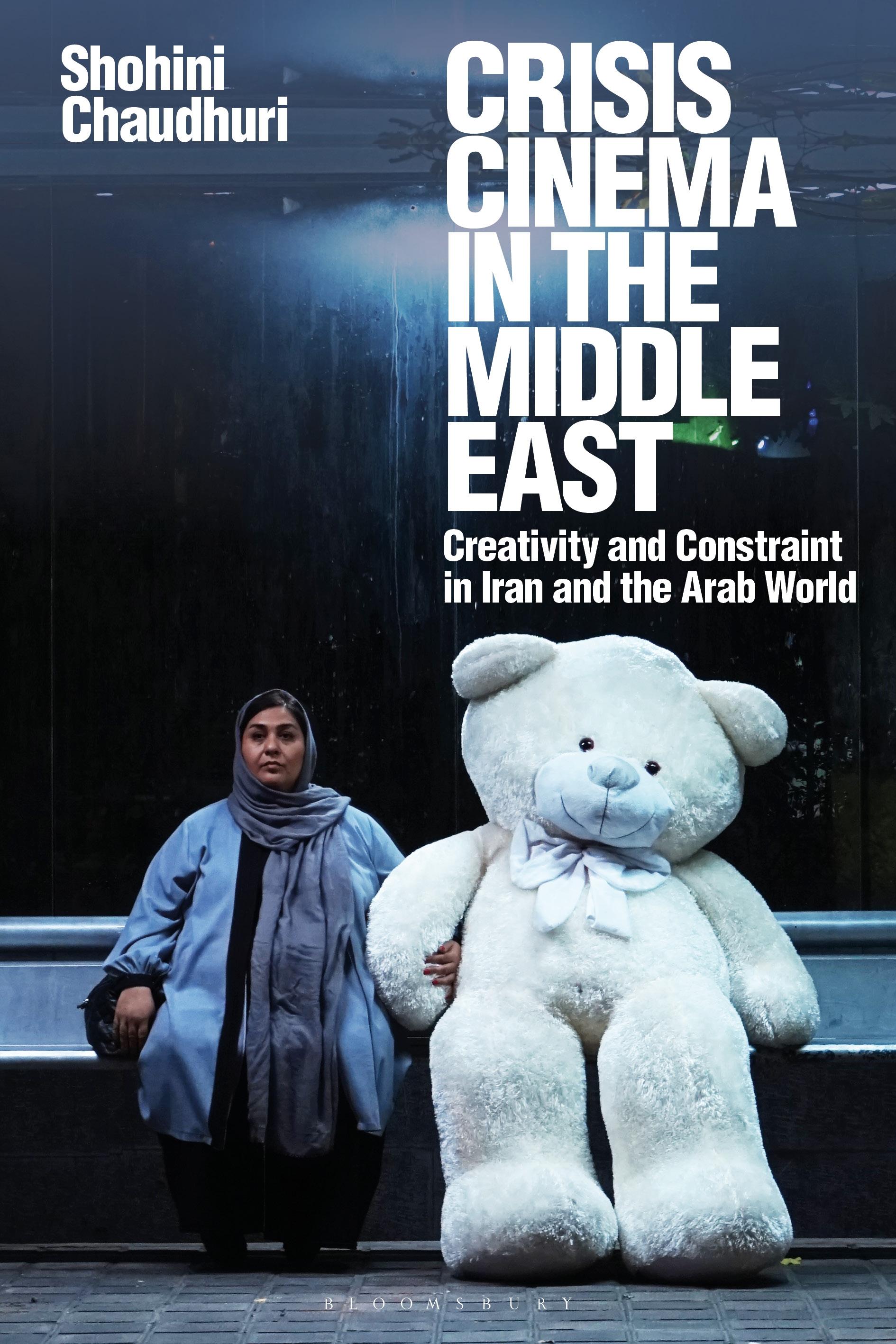
In recent years, the Arab world and Iran have been afflicted by cataclysmic events, among them brutal state crackdowns of revolutions. Yet, filmmakers have persisted in their desire to tell their stories, against the odds, in creative acts that attest to their imagination, courage and resilience.
In this book, Shohini Chaudhuri examines a broad range of films made during the tumultuous period since 2009, ranging from internationally award-winning festival favourites, such as For Sama (2019), Capernaum (2018) and Taxi Tehran (2015), to lesser-known films from the region. While freedom of expression is often understood through the lens of state censorship, she reveals the different types of obstacles that filmmakers face and their strategies for overcoming them so that those constraints are transformed into creative opportunities. Using her original interviews with filmmakers such as Waad al-Kateab, Yasmin Fedda, Larissa Sansour, Mani Haghighi and Ossama Mohammed, she identifies nine creative strategies for producing work under conditions of crisis.
Chaudhuri argues that creativity is indelibly shaped by constraints, whether these are externally imposed by existing materials, funding and socio-political conditions, or self-imposed constraints, through choices of genre or acceptance of rules and responsibilities.She shows that the range of creative strategies emanating from the region is much wider than allegory and becoming ever more direct. She thus opens up new lines of inquiry into cinematic creativity in sites of conflict and crisis in the Middle East and beyond.
In this book, Shohini Chaudhuri examines a broad range of films made during the tumultuous period since 2009, ranging from internationally award-winning festival favourites, such as For Sama (2019), Capernaum (2018) and Taxi Tehran (2015), to lesser-known films from the region. While freedom of expression is often understood through the lens of state censorship, she reveals the different types of obstacles that filmmakers face and their strategies for overcoming them so that those constraints are transformed into creative opportunities. Using her original interviews with filmmakers such as Waad al-Kateab, Yasmin Fedda, Larissa Sansour, Mani Haghighi and Ossama Mohammed, she identifies nine creative strategies for producing work under conditions of crisis.
Chaudhuri argues that creativity is indelibly shaped by constraints, whether these are externally imposed by existing materials, funding and socio-political conditions, or self-imposed constraints, through choices of genre or acceptance of rules and responsibilities.She shows that the range of creative strategies emanating from the region is much wider than allegory and becoming ever more direct. She thus opens up new lines of inquiry into cinematic creativity in sites of conflict and crisis in the Middle East and beyond.
Pagine: 328
Categoria: Film- & Medievetenskap
e-ISBN: 9781350190528
Peso di spedizione: 1.2 kg
Spedito in: 1-2 giorni
Paga facilmente con carta, Klarna, Apple Pay o Google Pay. Non sei soddisfatto? Hai sempre 14 giorni per il rimborso. Leggi di più nei nostri termini. Per qualsiasi domanda, scrivici a hello@memmo.org.
Memmo rende lo studio più facile, ovunque tu sia nel mondo. Qui trovi i tuoi libri di testo e strumenti di studio intelligenti, tutto in un unico posto: riassunti, quiz, podcast e flashcard. E poi c'è Ted, il tuo compagno di studio che risponde a ogni tua domanda. Oltre 50.000 studenti studiano già qui: è stato creato per aiutarti a imparare più velocemente e a stressarti meno.