
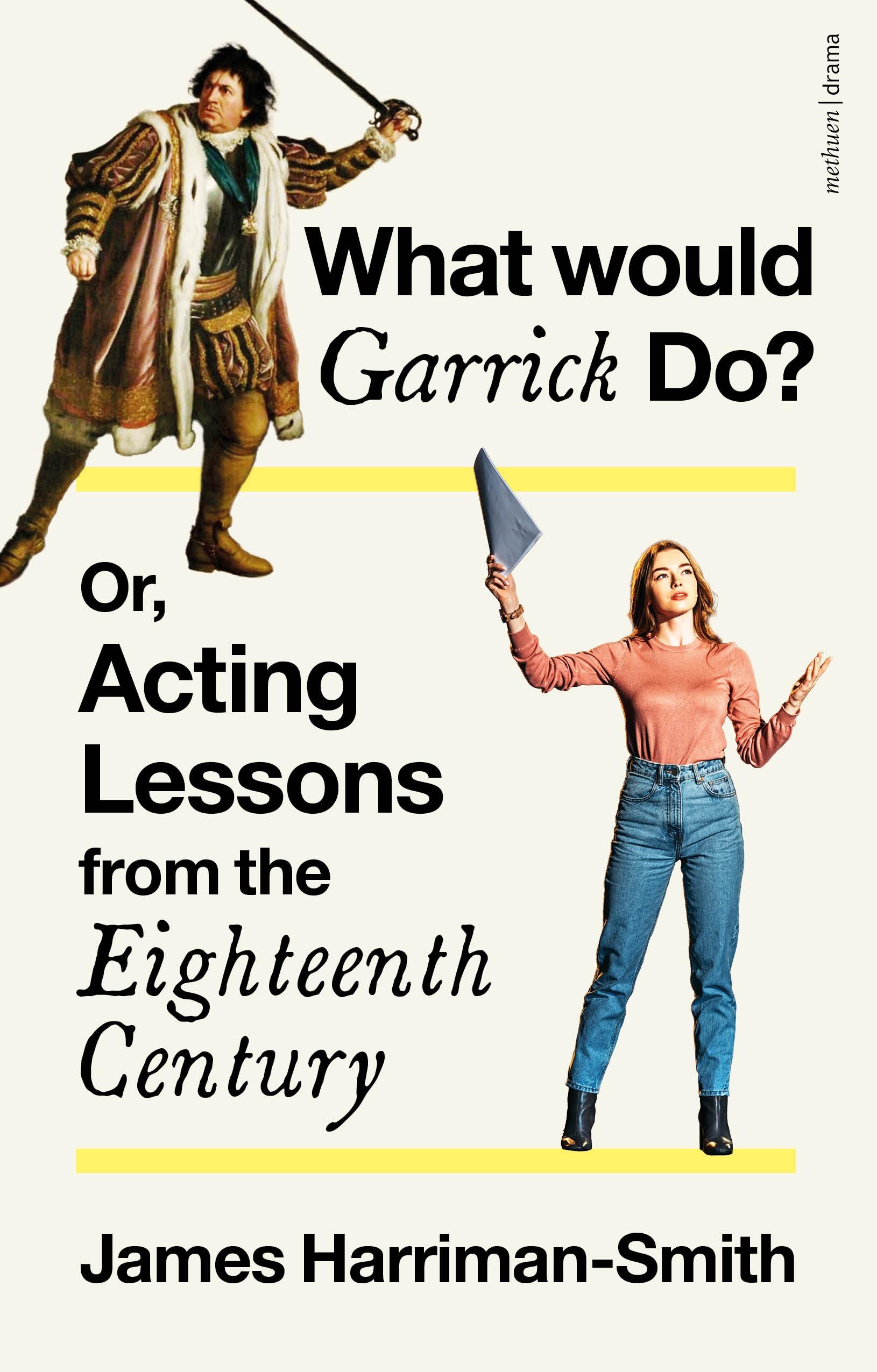
Shortlisted for the STR Theatre Book Prize 2025
The stage of the 1700s established a star culture, with the emergence of such acting celebrities as David Garrick, Susannah Cibber, and Sarah Siddons. It placed Shakespeare at the heart of the classical repertoire and offered unprecedented opportunities to female actors. This book demonstrates how an understanding of the practice and theories circulating three hundred years ago can generate new ways of studying and performing plays of all kinds in the present.
Eight short essays – on emotions, cultivation, character, voice, action, company, audience, and reflection – provide two things: a vivid introduction to the practice and ideas of the eighteenth-century stage, and the story of how these past practices and ideas were used in collaborative workshops around the UK to create new rehearsal exercises. Designed to work alone or in combination, these exercises are also open to further adaptation and analysis as part of a work that treats theatre writers of the past as potential collaborators for those interested in theatre today.
Marrying academic and professional theatre expertise, this book ranges through a vast archive of writing about acting, from private letters and battered promptbooks, through to philosophical treatises and celebrity biographies. The exercises, stories, and ideas shared here capture the strangeness of this material – and sometimes its surprising familiarity, as questions asked of actors then seem to anticipate those questions we ask now.
A truly unique offering, What would Garrick Do? Or, Acting Lessons from the Eighteenth Century offers a fascinating deep-dive into an important time in theatre history to illuminate practices and processes today.
The stage of the 1700s established a star culture, with the emergence of such acting celebrities as David Garrick, Susannah Cibber, and Sarah Siddons. It placed Shakespeare at the heart of the classical repertoire and offered unprecedented opportunities to female actors. This book demonstrates how an understanding of the practice and theories circulating three hundred years ago can generate new ways of studying and performing plays of all kinds in the present.
Eight short essays – on emotions, cultivation, character, voice, action, company, audience, and reflection – provide two things: a vivid introduction to the practice and ideas of the eighteenth-century stage, and the story of how these past practices and ideas were used in collaborative workshops around the UK to create new rehearsal exercises. Designed to work alone or in combination, these exercises are also open to further adaptation and analysis as part of a work that treats theatre writers of the past as potential collaborators for those interested in theatre today.
Marrying academic and professional theatre expertise, this book ranges through a vast archive of writing about acting, from private letters and battered promptbooks, through to philosophical treatises and celebrity biographies. The exercises, stories, and ideas shared here capture the strangeness of this material – and sometimes its surprising familiarity, as questions asked of actors then seem to anticipate those questions we ask now.
A truly unique offering, What would Garrick Do? Or, Acting Lessons from the Eighteenth Century offers a fascinating deep-dive into an important time in theatre history to illuminate practices and processes today.
Pagine: 256
Categoria: Drama, Teater & Scenkonst
e-ISBN: 9781350171985
Peso di spedizione: 1.2 kg
Spedito in: 1-2 giorni
Paga facilmente con carta, Klarna, Apple Pay o Google Pay. Non sei soddisfatto? Hai sempre 14 giorni per il rimborso. Leggi di più nei nostri termini. Per qualsiasi domanda, scrivici a hello@memmo.org.
Memmo rende lo studio più facile, ovunque tu sia nel mondo. Qui trovi i tuoi libri di testo e strumenti di studio intelligenti, tutto in un unico posto: riassunti, quiz, podcast e flashcard. E poi c'è Ted, il tuo compagno di studio che risponde a ogni tua domanda. Oltre 50.000 studenti studiano già qui: è stato creato per aiutarti a imparare più velocemente e a stressarti meno.