
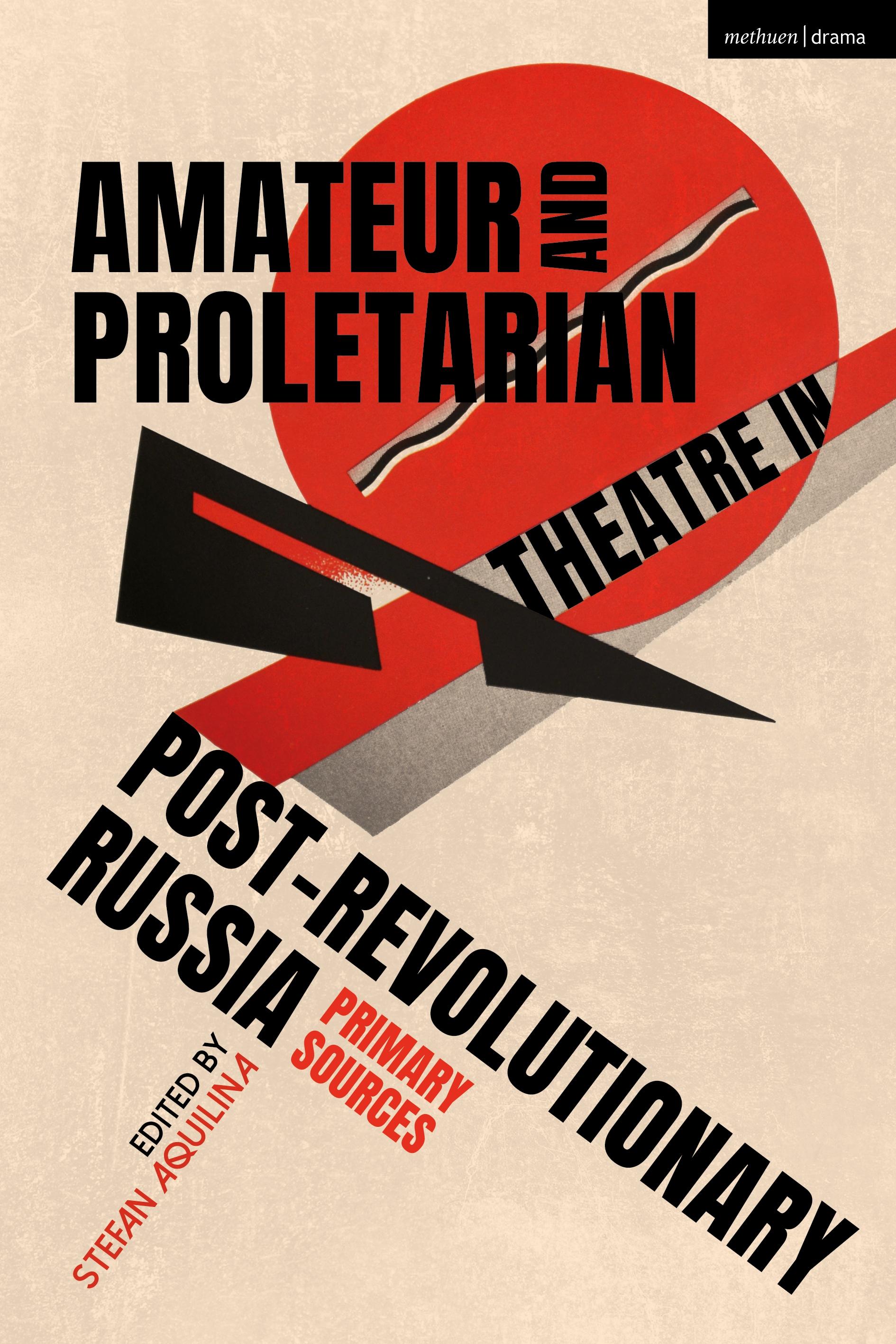
This is the first collection of primary sources that addresses the amateur theatre produced by the workers in the first decade after the Russian Revolution. Newly translated from the Russian, the essays capture both theoretical articulations on the scene – by luminaries such as Alexander Bogdanov, Platon Kerzhentsev, Valerian Pletnev, Alexander Mgebrov and Valentin Smyshliaev – and the more fleeting descriptions and first-hand accounts of the productions staged, accounts and voices which are typically harder to capture.
The essays tell a story of unabashed optimism in the creativity of the working classes. They speak of the use of theatre to carve a public and political role in the construction of a new world. The sources, however, also exhibit the flipside of the scene, or the sombre difficulties faced by the amateur actors and the incessant calls to raise standards through professional help. The narrative developed is that of an amateur theatre which began as an autonomous and heterogeneous activity but which by the mid-to-late 1920s was transformed into a regulated practice and a space for cultural programming.
The collection makes an important contribution to our understanding of modern theatre: scholarship conventionally tackles the canonical names from the professional world but gives little attention to the more down-to-earth forms of performance taking place in factories, clubs and amateur circles. An introductory essay also highlights the range and significance of the collection and draws links between the essays.
The essays tell a story of unabashed optimism in the creativity of the working classes. They speak of the use of theatre to carve a public and political role in the construction of a new world. The sources, however, also exhibit the flipside of the scene, or the sombre difficulties faced by the amateur actors and the incessant calls to raise standards through professional help. The narrative developed is that of an amateur theatre which began as an autonomous and heterogeneous activity but which by the mid-to-late 1920s was transformed into a regulated practice and a space for cultural programming.
The collection makes an important contribution to our understanding of modern theatre: scholarship conventionally tackles the canonical names from the professional world but gives little attention to the more down-to-earth forms of performance taking place in factories, clubs and amateur circles. An introductory essay also highlights the range and significance of the collection and draws links between the essays.
Pagine: 232
Categoria: Drama, Teater & Scenkonst
e-ISBN: 9781350170988
Peso di spedizione: 1.2 kg
Spedito in: 1-2 giorni
Paga facilmente con carta, Klarna, Apple Pay o Google Pay. Non sei soddisfatto? Hai sempre 14 giorni per il rimborso. Leggi di più nei nostri termini. Per qualsiasi domanda, scrivici a hello@memmo.org.
Memmo rende lo studio più facile, ovunque tu sia nel mondo. Qui trovi i tuoi libri di testo e strumenti di studio intelligenti, tutto in un unico posto: riassunti, quiz, podcast e flashcard. E poi c'è Ted, il tuo compagno di studio che risponde a ogni tua domanda. Oltre 50.000 studenti studiano già qui: è stato creato per aiutarti a imparare più velocemente e a stressarti meno.