
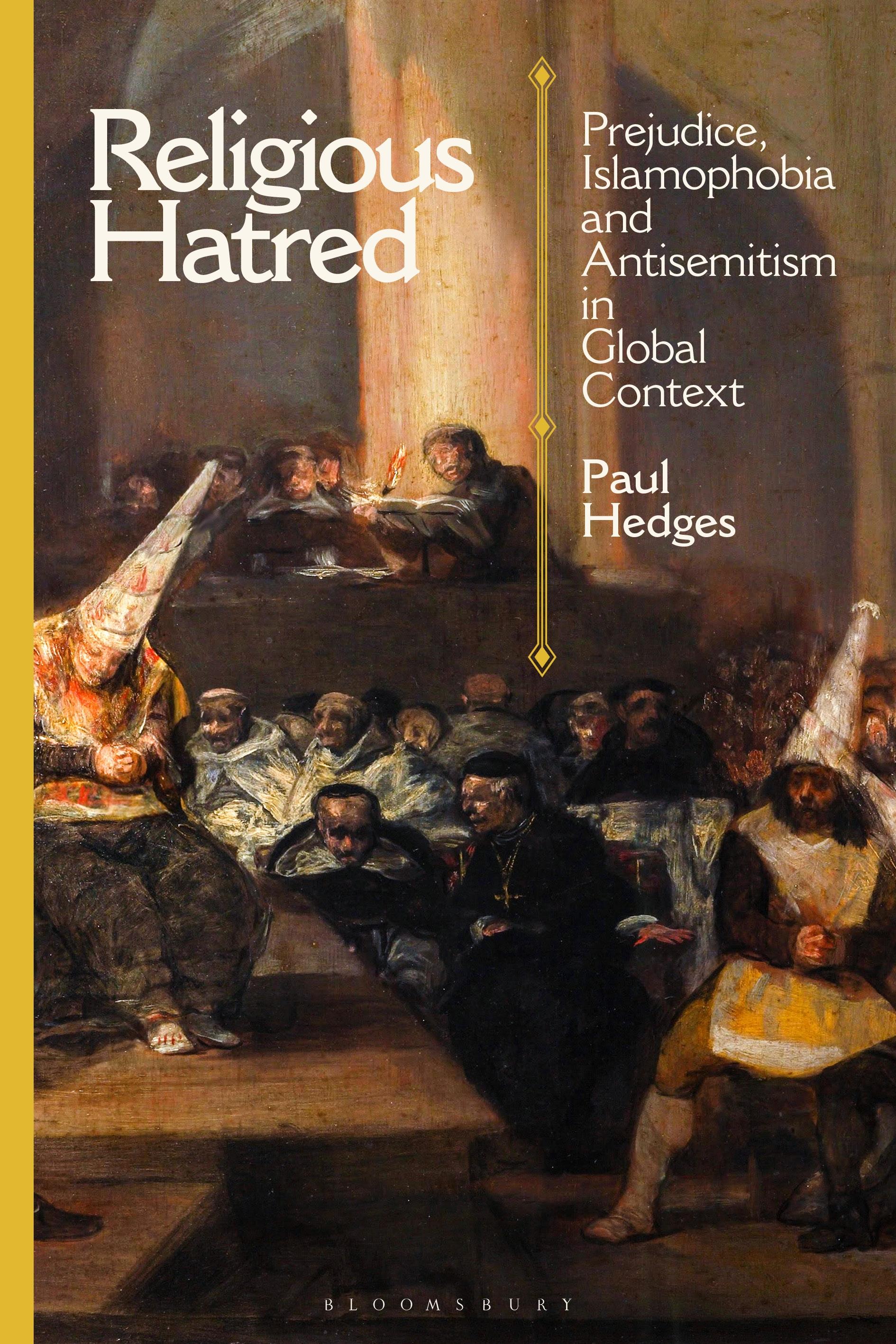
Why does religion inspire hatred? Why do people in one religion sometimes hate people of another religion, and also why do some religions inspire hatred from others?
This book shows how scholarly studies of prejudice, identity formation, and genocide studies can shed light on global examples of religious hatred. The book is divided into four parts, focusing respectively on: theories of prejudice and violence; historical developments of antisemitism, Islamophobia, and race; contemporary Western antisemitism and Islamophobia; and, prejudices beyond the West in the Islamic, Buddhist, and Hindu traditions. Each part ends with a special focus section.
Key features include:
- A compelling synthesis of theories of prejudice, identity, and hatred to explain Islamophobia and antisemitism.
- An innovative theory of human violence and genocide which explains the link to prejudice.
- Case studies of both Western antisemitism and Islamophobia in history and today, alongside global studies of Islamic antisemitism and Hindu and Buddhist Islamophobia
- Integrates discussion of race and racialisation as aspects of Islamophobic and antisemitic prejudice in relation to their framing in religious discourses.
- Accessible for general readers and students, it can be employed as a textbook for students or read with benefit by scholars for its novel synthesis and theories.
The book focuses on antisemitism and Islamophobia, both in the West and beyond, including examples of prejudices and hatred in the Islamic, Hindu, and Buddhist traditions. Drawing on examples from Europe, North America, MENA, South and Southeast Asia, and Africa, Paul Hedges points to common patterns, while identifying the specifics of local context.
Religious Hatred is an essential guide for understanding the historical origins of religious hatred, the manifestations of this hatred across diverse religious and cultural contexts, and the strategies employed by activists and peacemakers to overcome this hatred.
This book shows how scholarly studies of prejudice, identity formation, and genocide studies can shed light on global examples of religious hatred. The book is divided into four parts, focusing respectively on: theories of prejudice and violence; historical developments of antisemitism, Islamophobia, and race; contemporary Western antisemitism and Islamophobia; and, prejudices beyond the West in the Islamic, Buddhist, and Hindu traditions. Each part ends with a special focus section.
Key features include:
- A compelling synthesis of theories of prejudice, identity, and hatred to explain Islamophobia and antisemitism.
- An innovative theory of human violence and genocide which explains the link to prejudice.
- Case studies of both Western antisemitism and Islamophobia in history and today, alongside global studies of Islamic antisemitism and Hindu and Buddhist Islamophobia
- Integrates discussion of race and racialisation as aspects of Islamophobic and antisemitic prejudice in relation to their framing in religious discourses.
- Accessible for general readers and students, it can be employed as a textbook for students or read with benefit by scholars for its novel synthesis and theories.
The book focuses on antisemitism and Islamophobia, both in the West and beyond, including examples of prejudices and hatred in the Islamic, Hindu, and Buddhist traditions. Drawing on examples from Europe, North America, MENA, South and Southeast Asia, and Africa, Paul Hedges points to common patterns, while identifying the specifics of local context.
Religious Hatred is an essential guide for understanding the historical origins of religious hatred, the manifestations of this hatred across diverse religious and cultural contexts, and the strategies employed by activists and peacemakers to overcome this hatred.
Pagine: 312
Categoria: Religion & Teologi
e-ISBN: 9781350162891
Peso di spedizione: 1.2 kg
Spedito in: 1-2 giorni
Paga facilmente con carta, Klarna, Apple Pay o Google Pay. Non sei soddisfatto? Hai sempre 14 giorni per il rimborso. Leggi di più nei nostri termini. Per qualsiasi domanda, scrivici a hello@memmo.org.
Memmo rende lo studio più facile, ovunque tu sia nel mondo. Qui trovi i tuoi libri di testo e strumenti di studio intelligenti, tutto in un unico posto: riassunti, quiz, podcast e flashcard. E poi c'è Ted, il tuo compagno di studio che risponde a ogni tua domanda. Oltre 50.000 studenti studiano già qui: è stato creato per aiutarti a imparare più velocemente e a stressarti meno.