
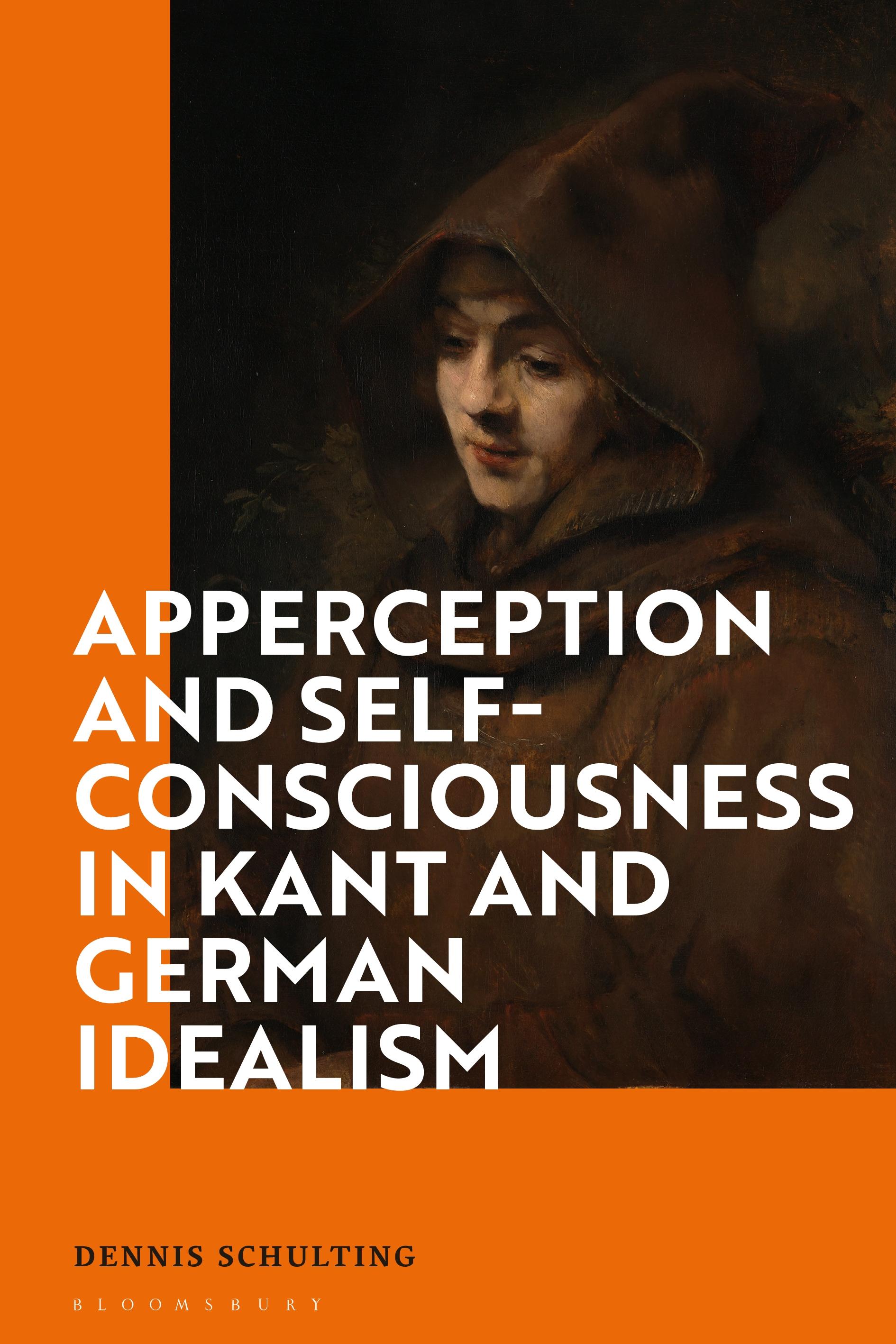
In Apperception and Self-Consciousness in Kant and German Idealism, Dennis Schulting examines the themes of reflexivity, self-consciousness, representation and apperception in the philosophy of Immanuel Kant and German Idealism more widely. Central to Schulting's argument is the claim that all human experience is inherently self-referential and that this is part of a self-reflexivity of thought, or what is called transcendental apperception, a Kantian insight that was first apparent in the work of Christian Wolff and came to inform all of German Idealism.
In this rigorous text, Schulting establishes the historical roots of Kant's thought and traces it through to his immediate successors, Karl Leonhard Reinhold, Johann Gottlieb Fichte and Georg Wilhelm Friedrich Hegel. He specifically examines the cognitive role of selfconsciousness and its relation to idealism and situates it in a clear and coherent history of rationalist philosophy.
In this rigorous text, Schulting establishes the historical roots of Kant's thought and traces it through to his immediate successors, Karl Leonhard Reinhold, Johann Gottlieb Fichte and Georg Wilhelm Friedrich Hegel. He specifically examines the cognitive role of selfconsciousness and its relation to idealism and situates it in a clear and coherent history of rationalist philosophy.
Paga facilmente con carta, Klarna, Apple Pay o Google Pay. Non sei soddisfatto? Hai sempre 14 giorni per il rimborso. Leggi di più nei nostri termini. Per qualsiasi domanda, scrivici a hello@memmo.org.
Memmo rende lo studio più facile, ovunque tu sia nel mondo. Qui trovi i tuoi libri di testo e strumenti di studio intelligenti, tutto in un unico posto: riassunti, quiz, podcast e flashcard. E poi c'è Ted, il tuo compagno di studio che risponde a ogni tua domanda. Oltre 50.000 studenti studiano già qui: è stato creato per aiutarti a imparare più velocemente e a stressarti meno.