
A 2021 Choice Outstanding Academic Title
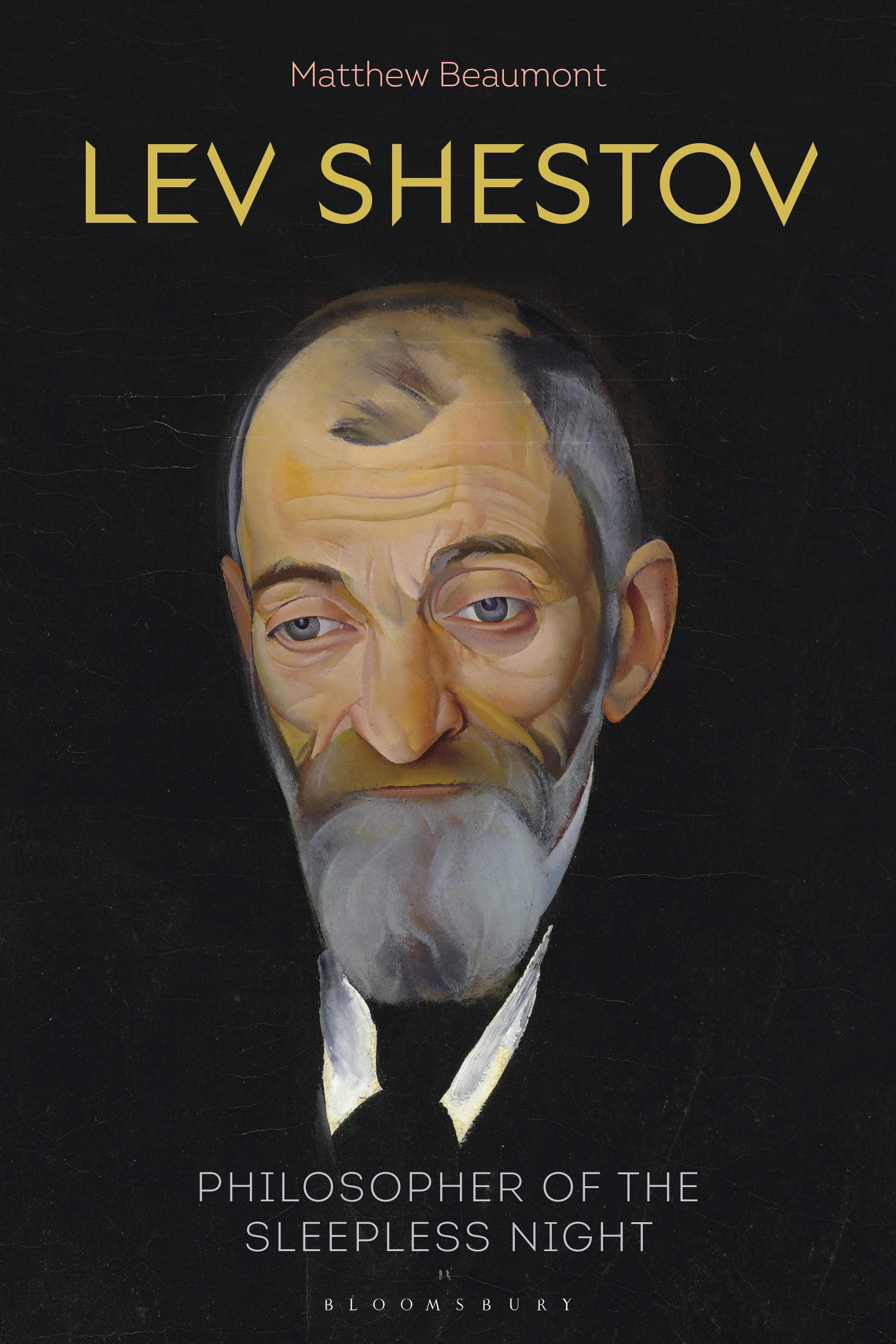
The Jewish philosopher Lev Shestov (1866-1938) is perhaps the great forgotten thinker of the twentieth century, but one whose revival seems timely and urgent in the twenty-first century. An important influence on Georges Bataille, Albert Camus, Gilles Deleuze and many others, Shestov developed a fascinating anti-Enlightenment philosophy that critiqued the limits of reason and triumphantly affirmed an ethics of hope in the face of hopelessness.
In a wide-ranging reappraisal of his life and thought, which explores his ideas in relation to the history of literature and painting as well as philosophy, Matthew Beaumont restores Shestov to prominence as a thinker for turbulent times. In reconstructing Shestov's thought and asserting its continued relevance, the book's central theme is wakefulness. It argues that for Shestov, escape from the limits of rationalist Enlightenment thought comes from maintaining an insomniac vigilance in the face of the spiritual night to which his century appeared condemned. Shestov's engagement with the image of Christ remaining awake in the Garden of Gethsemane then, is at the core of his inspiring understanding of our ethical responsibilities after the horrors of the twentieth century.
The Jewish philosopher Lev Shestov (1866-1938) is perhaps the great forgotten thinker of the twentieth century, but one whose revival seems timely and urgent in the twenty-first century. An important influence on Georges Bataille, Albert Camus, Gilles Deleuze and many others, Shestov developed a fascinating anti-Enlightenment philosophy that critiqued the limits of reason and triumphantly affirmed an ethics of hope in the face of hopelessness.
In a wide-ranging reappraisal of his life and thought, which explores his ideas in relation to the history of literature and painting as well as philosophy, Matthew Beaumont restores Shestov to prominence as a thinker for turbulent times. In reconstructing Shestov's thought and asserting its continued relevance, the book's central theme is wakefulness. It argues that for Shestov, escape from the limits of rationalist Enlightenment thought comes from maintaining an insomniac vigilance in the face of the spiritual night to which his century appeared condemned. Shestov's engagement with the image of Christ remaining awake in the Garden of Gethsemane then, is at the core of his inspiring understanding of our ethical responsibilities after the horrors of the twentieth century.
Paga facilmente con carta, Klarna, Apple Pay o Google Pay. Non sei soddisfatto? Hai sempre 14 giorni per il rimborso. Leggi di più nei nostri termini. Per qualsiasi domanda, scrivici a hello@memmo.org.
Memmo rende lo studio più facile, ovunque tu sia nel mondo. Qui trovi i tuoi libri di testo e strumenti di studio intelligenti, tutto in un unico posto: riassunti, quiz, podcast e flashcard. E poi c'è Ted, il tuo compagno di studio che risponde a ogni tua domanda. Oltre 50.000 studenti studiano già qui: è stato creato per aiutarti a imparare più velocemente e a stressarti meno.