
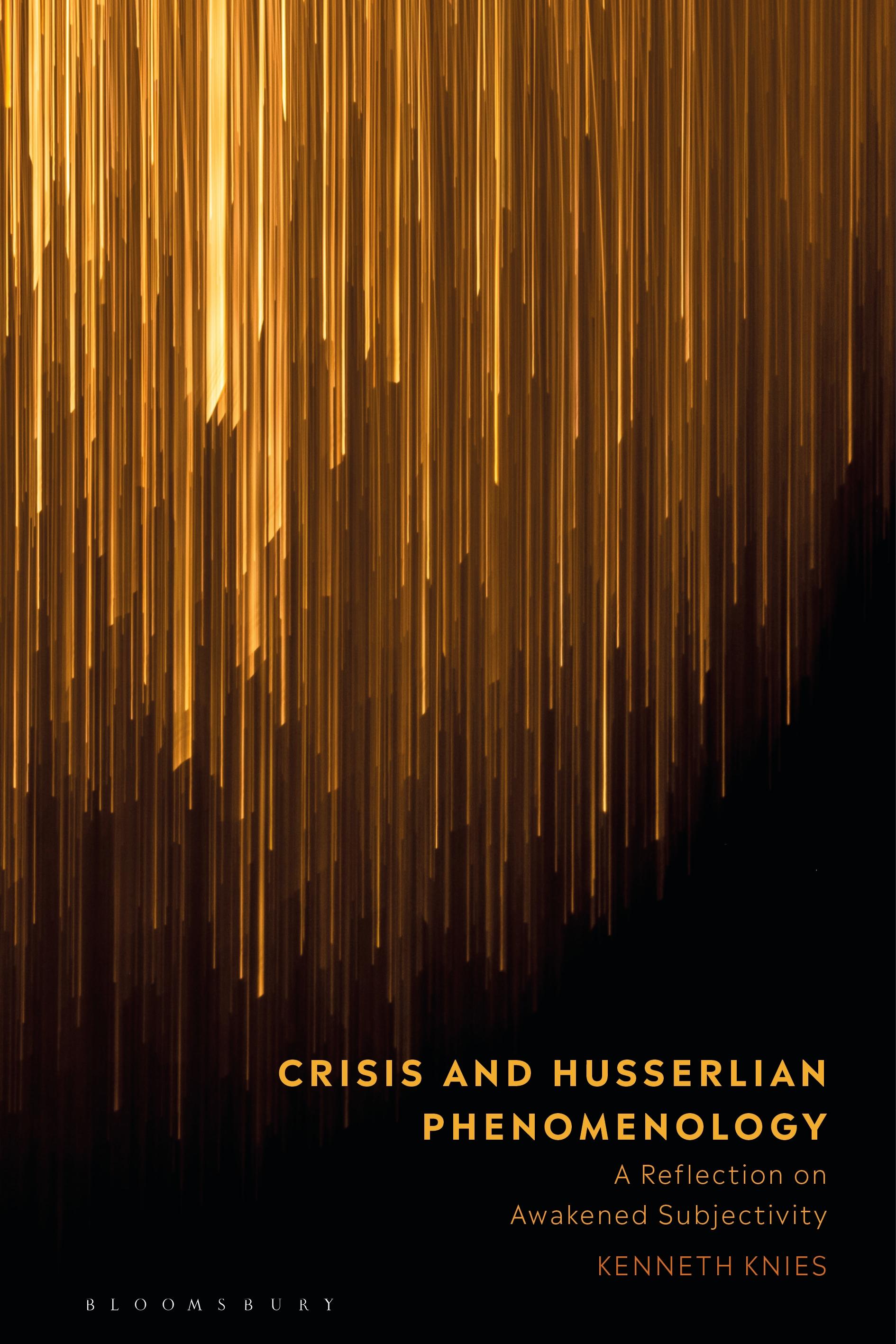
Shedding new light on the theme of "crisis" in Husserl's phenomenology, this book reflects on the experience of awakening to one's own naïveté. Beginning from everyday examples, Knies examines how this awakening makes us culpable for not having noticed what was noticeable. He goes on to apply this examination to fundamental issues in phenomenology, arguing that the appropriation of naïve life has a different structure from the reflection on pre-reflective life. Husserl's work on the "crisis" is presented as an attempt to integrate this appropriation into a systematic transcendental philosophy.
Crisis and Husserlian Phenomenology brings Husserl into dialogue with other key thinkers in Continental philosophy such as Descartes, Kant, Heidegger, Merleau-Ponty and Derrida. It is suitable for students and scholars alike, especially those interested in subjectivity, responsibility and the philosophy of history.
Crisis and Husserlian Phenomenology brings Husserl into dialogue with other key thinkers in Continental philosophy such as Descartes, Kant, Heidegger, Merleau-Ponty and Derrida. It is suitable for students and scholars alike, especially those interested in subjectivity, responsibility and the philosophy of history.
Paga facilmente con carta, Klarna, Apple Pay o Google Pay. Non sei soddisfatto? Hai sempre 14 giorni per il rimborso. Leggi di più nei nostri termini. Per qualsiasi domanda, scrivici a hello@memmo.org.
Memmo rende lo studio più facile, ovunque tu sia nel mondo. Qui trovi i tuoi libri di testo e strumenti di studio intelligenti, tutto in un unico posto: riassunti, quiz, podcast e flashcard. E poi c'è Ted, il tuo compagno di studio che risponde a ogni tua domanda. Oltre 50.000 studenti studiano già qui: è stato creato per aiutarti a imparare più velocemente e a stressarti meno.