
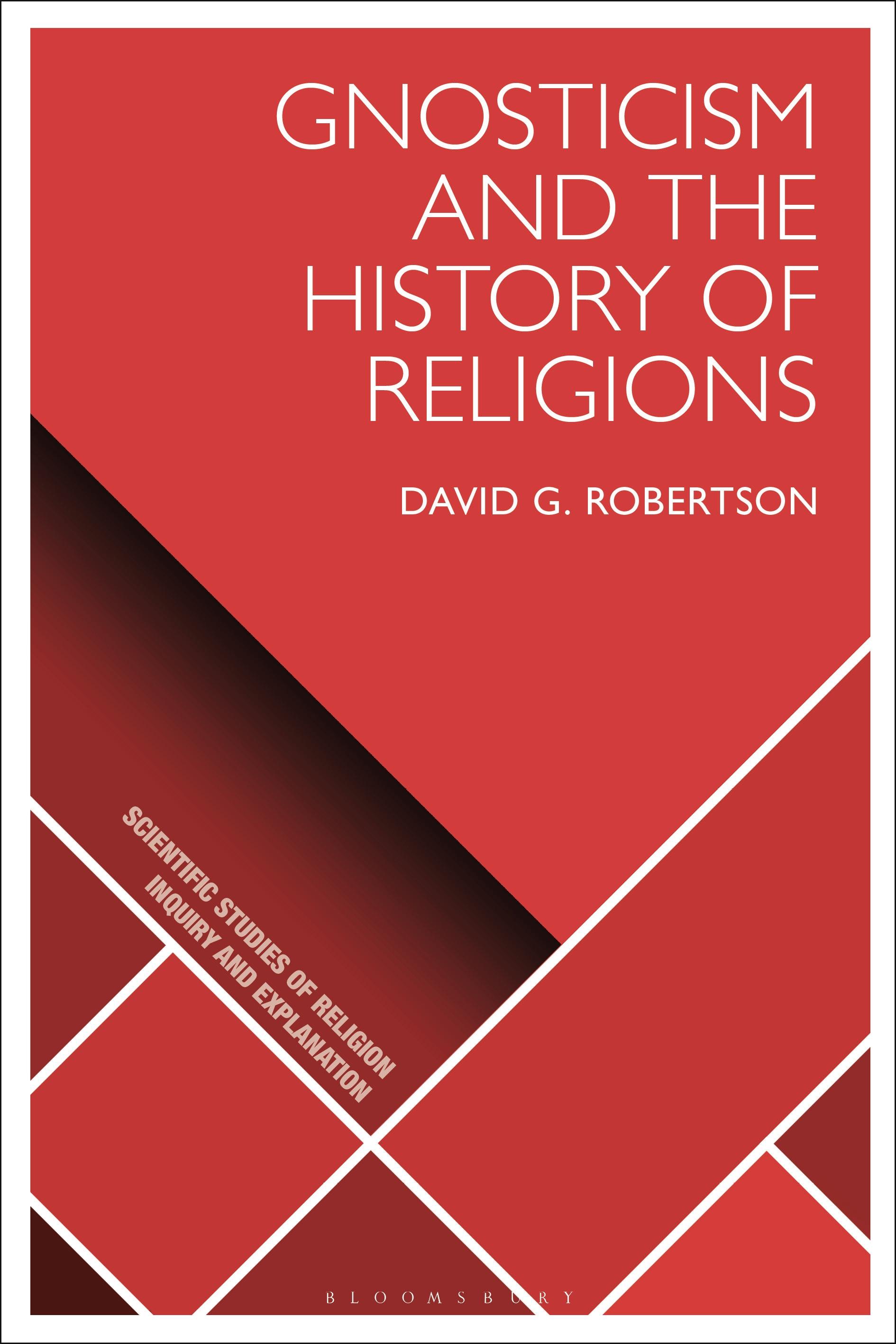
Building on critical work in biblical studies, which shows how a historically-bounded heretical tradition called Gnosticism was 'invented', this work focuses on the following stage in which it was “essentialised” into a sui generis, universal category of religion. At the same time, it shows how Gnosticism became a religious self-identifier, with a number of sizable contemporary groups identifying as Gnostics today, drawing on the same discourses.
This book provides a history of this problematic category, and its relationship with scholarly and popular discourse on religion in the twentieth century. It uses a critical-historical method to show how and why Gnosis, Gnostic and Gnosticism were taken up by specific groups and individuals – practitioners and scholars – at different times. It shows how ideas about Gnosticism developed in late nineteenth- and twentieth-century scholarship, drawing from continental phenomenology, Jungian psychology and post-Holocaust theology, to be constructed as a perennial religious current based on special knowledge of the divine in a corrupt world.
David G. Robertson challenges how scholars interact with the category Gnosticism, and contributes to our understanding of the complex relationship between primary sources, academics and practitioners in category formation.
This book provides a history of this problematic category, and its relationship with scholarly and popular discourse on religion in the twentieth century. It uses a critical-historical method to show how and why Gnosis, Gnostic and Gnosticism were taken up by specific groups and individuals – practitioners and scholars – at different times. It shows how ideas about Gnosticism developed in late nineteenth- and twentieth-century scholarship, drawing from continental phenomenology, Jungian psychology and post-Holocaust theology, to be constructed as a perennial religious current based on special knowledge of the divine in a corrupt world.
David G. Robertson challenges how scholars interact with the category Gnosticism, and contributes to our understanding of the complex relationship between primary sources, academics and practitioners in category formation.
Pagine: 240
Categoria: Religion & Teologi
e-ISBN: 9781350137714
Peso di spedizione: 1.2 kg
Spedito in: 1-2 giorni
Paga facilmente con carta, Klarna, Apple Pay o Google Pay. Non sei soddisfatto? Hai sempre 14 giorni per il rimborso. Leggi di più nei nostri termini. Per qualsiasi domanda, scrivici a hello@memmo.org.
Memmo rende lo studio più facile, ovunque tu sia nel mondo. Qui trovi i tuoi libri di testo e strumenti di studio intelligenti, tutto in un unico posto: riassunti, quiz, podcast e flashcard. E poi c'è Ted, il tuo compagno di studio che risponde a ogni tua domanda. Oltre 50.000 studenti studiano già qui: è stato creato per aiutarti a imparare più velocemente e a stressarti meno.