
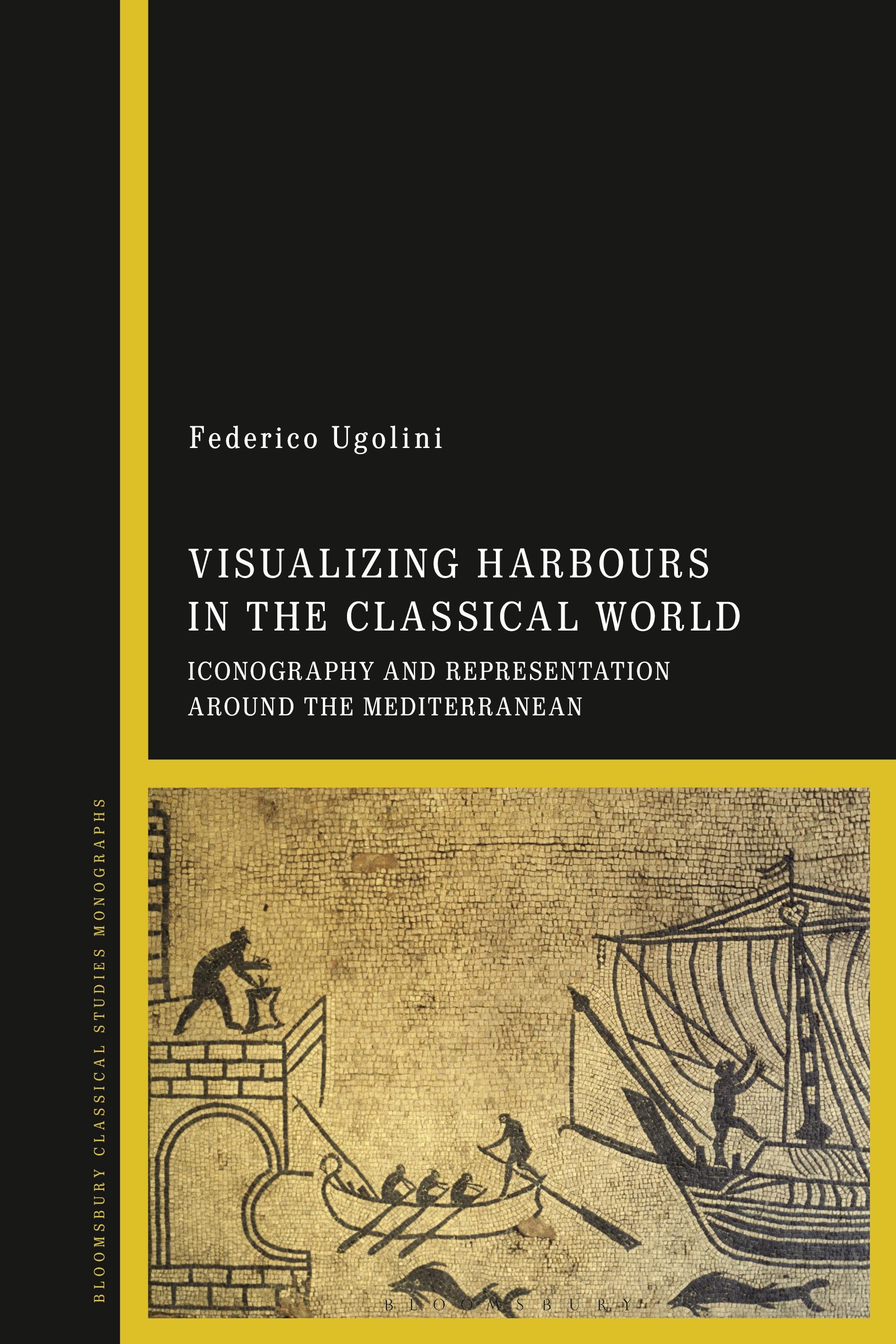
In recent years, there has been intense debate about the reality behind the depiction of maritime cityscapes, especially harbours. Visualizing Harbours in the Classical World argues that the available textual and iconographic evidence supports the argument that these representations have a symbolic, rather than literal, meaning and message, and moreover that the traditional view, that all these media represent the reality of the contemporary cityscapes, is often unrealistic. Bridging the gap between archaeological sciences and the humanities, it ably integrates iconographic materials, epigraphic sources, history and archaeology, along with visual culture.
Focusing on three main ancient ports – Alexandria, Rome and Leptis Magna – Federico Ugolini considers a range of issues around harbour iconography, from the triumphal imagery of monumental harbours and the symbolism of harbour images, their identification across the Mediterranean, and their symbolic, ideological and propagandistic messages, to the ways in which aspects of Imperial authority and control over the seas were expressed in the iconography of the Julio-Claudian, Trajan and Severii periods, how they reflected the repute, growth and power of the mercantile class during the Imperial era, and how the use of imagery reflected euergetism and paideia, which would inform the Roman audience about who had power over the sea.
Focusing on three main ancient ports – Alexandria, Rome and Leptis Magna – Federico Ugolini considers a range of issues around harbour iconography, from the triumphal imagery of monumental harbours and the symbolism of harbour images, their identification across the Mediterranean, and their symbolic, ideological and propagandistic messages, to the ways in which aspects of Imperial authority and control over the seas were expressed in the iconography of the Julio-Claudian, Trajan and Severii periods, how they reflected the repute, growth and power of the mercantile class during the Imperial era, and how the use of imagery reflected euergetism and paideia, which would inform the Roman audience about who had power over the sea.
Paga facilmente con carta, Klarna, Apple Pay o Google Pay. Non sei soddisfatto? Hai sempre 14 giorni per il rimborso. Leggi di più nei nostri termini. Per qualsiasi domanda, scrivici a hello@memmo.org.
Memmo rende lo studio più facile, ovunque tu sia nel mondo. Qui trovi i tuoi libri di testo e strumenti di studio intelligenti, tutto in un unico posto: riassunti, quiz, podcast e flashcard. E poi c'è Ted, il tuo compagno di studio che risponde a ogni tua domanda. Oltre 50.000 studenti studiano già qui: è stato creato per aiutarti a imparare più velocemente e a stressarti meno.