
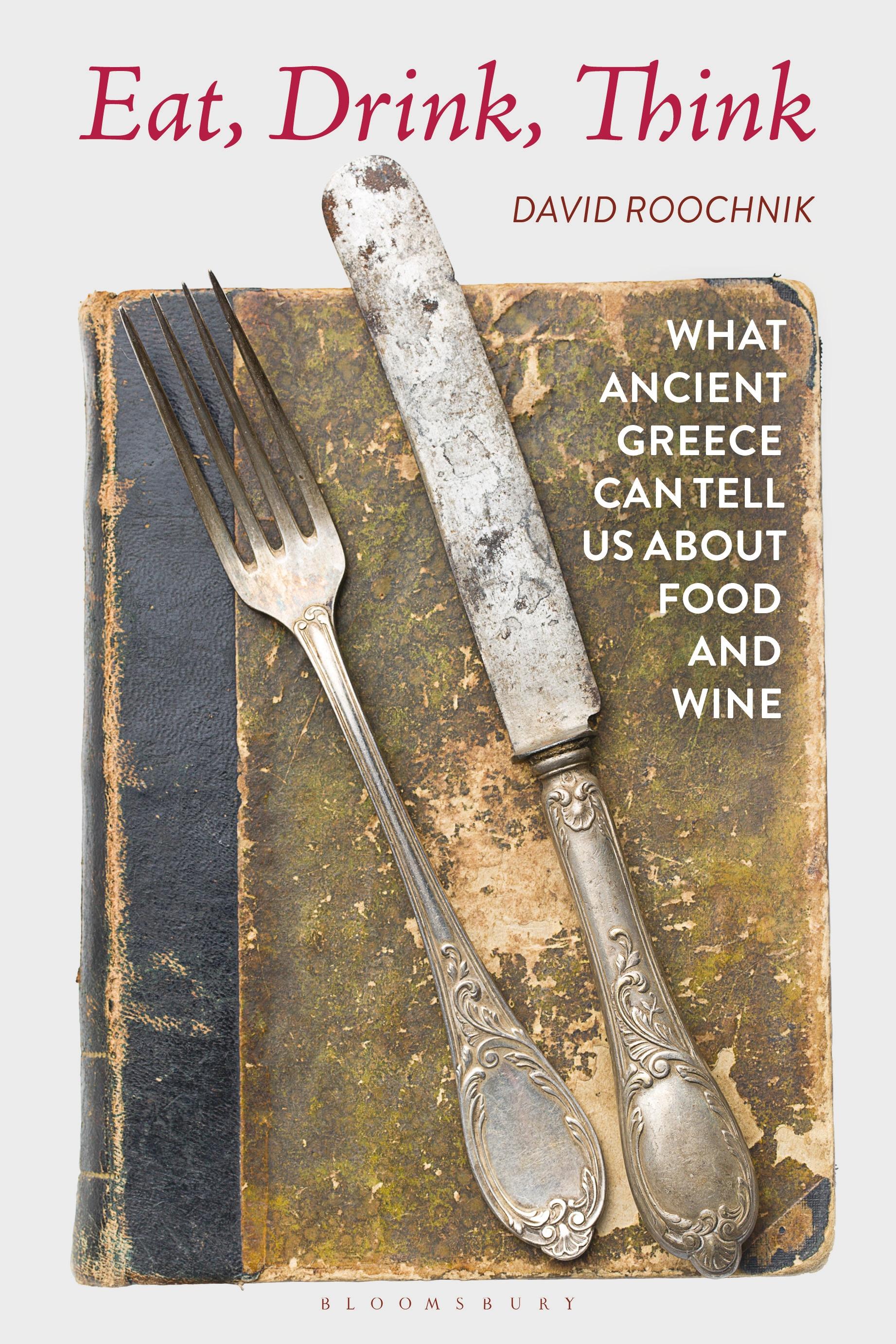
What role does food play in the shaping of humanity? Is sharing a good meal with friends and family an experience of life at its best, or is food merely a burdensome necessity? David Roochnik explores these questions by discussing classical works of Greek literature and philosophy in which food and drink play an important role.
With thoughts on Homer's The Odyssey, Euripides' Bacchae, Plato's philosopher kings and Dionysian intoxication, Roochnik shows how foregrounding food in philosophy can open up new ways of understanding these thinkers and their approaches to the purpose and meaning of life. The book features philosophical explanation interspersed with reflections from the author on cooking, eating, drinking and sharing meals, making it important reading for students of philosophy, classical studies, and food studies.
With thoughts on Homer's The Odyssey, Euripides' Bacchae, Plato's philosopher kings and Dionysian intoxication, Roochnik shows how foregrounding food in philosophy can open up new ways of understanding these thinkers and their approaches to the purpose and meaning of life. The book features philosophical explanation interspersed with reflections from the author on cooking, eating, drinking and sharing meals, making it important reading for students of philosophy, classical studies, and food studies.
Paga facilmente con carta, Klarna, Apple Pay o Google Pay. Non sei soddisfatto? Hai sempre 14 giorni per il rimborso. Leggi di più nei nostri termini. Per qualsiasi domanda, scrivici a hello@memmo.org.
Memmo rende lo studio più facile, ovunque tu sia nel mondo. Qui trovi i tuoi libri di testo e strumenti di studio intelligenti, tutto in un unico posto: riassunti, quiz, podcast e flashcard. E poi c'è Ted, il tuo compagno di studio che risponde a ogni tua domanda. Oltre 50.000 studenti studiano già qui: è stato creato per aiutarti a imparare più velocemente e a stressarti meno.