
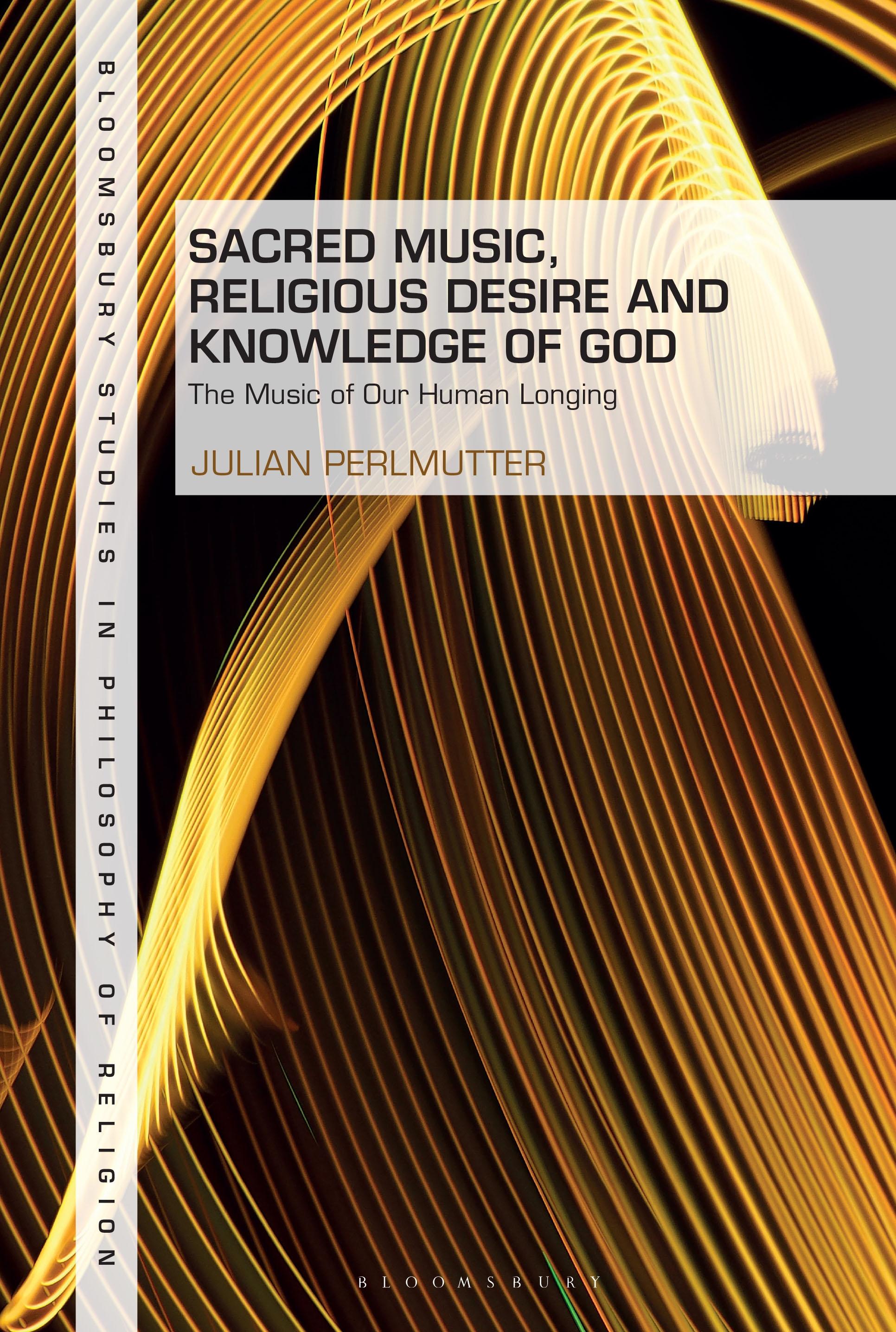
Many people find sacred choral music profound and deeply evocative, even in societies that seem to be turning away from religious belief. In this book, Julian Perlmutter examines how, in light of its wide appeal, sacred music can have religious significance for people regardless of their religious convictions.
By differentiating between doctrinal belief and the desire for God, Perlmutter explores a longing for the spiritual that is compatible with both belief and 'interested non-belief'. He describes how sacred music can elicit this kind of longing, thereby helping the listener to grow in religious openness. The work of Thomas Merton is also analyzed in order to show that musically-elicited desire for God can be incorporated into the Christian practice of contemplative prayer, aimed ultimately at a union of love with God. By exploring connections between desire, knowledge and religious practice, this engaging account illustrates how sacred music can have a transformative effect on one's wider spiritual life.
Of particular interest to philosophers and theologians, the book makes a novel contribution to several topics including religious epistemology, the philosophy of emotion and aesthetics.
By differentiating between doctrinal belief and the desire for God, Perlmutter explores a longing for the spiritual that is compatible with both belief and 'interested non-belief'. He describes how sacred music can elicit this kind of longing, thereby helping the listener to grow in religious openness. The work of Thomas Merton is also analyzed in order to show that musically-elicited desire for God can be incorporated into the Christian practice of contemplative prayer, aimed ultimately at a union of love with God. By exploring connections between desire, knowledge and religious practice, this engaging account illustrates how sacred music can have a transformative effect on one's wider spiritual life.
Of particular interest to philosophers and theologians, the book makes a novel contribution to several topics including religious epistemology, the philosophy of emotion and aesthetics.
Paga facilmente con carta, Klarna, Apple Pay o Google Pay. Non sei soddisfatto? Hai sempre 14 giorni per il rimborso. Leggi di più nei nostri termini. Per qualsiasi domanda, scrivici a hello@memmo.org.
Memmo rende lo studio più facile, ovunque tu sia nel mondo. Qui trovi i tuoi libri di testo e strumenti di studio intelligenti, tutto in un unico posto: riassunti, quiz, podcast e flashcard. E poi c'è Ted, il tuo compagno di studio che risponde a ogni tua domanda. Oltre 50.000 studenti studiano già qui: è stato creato per aiutarti a imparare più velocemente e a stressarti meno.