
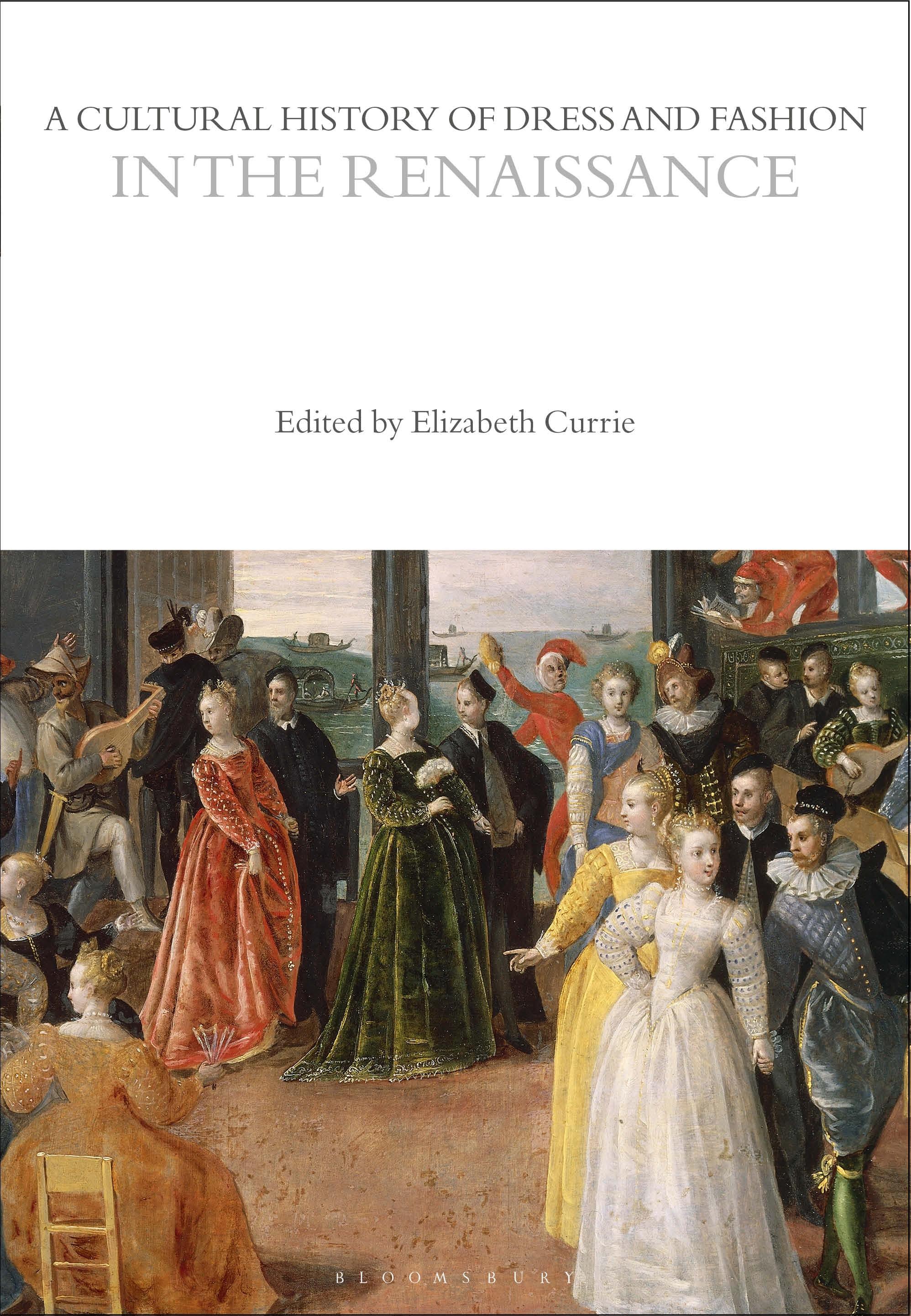
Spurred by an increasingly international and competitive market, the Renaissance saw the development of many new fabrics and the use of highly prized ingredients imported from the New World. In response to a thirst for the new, fashion's pace of change accelerated, the production of garments provided employment for an increasingly significant proportion of the working population, and entrepreneurial artisans began to transform even the most functional garments into fashionable ones. Anxieties concerning vanity and the power of clothing to mask identities heightened fears of fashion's corrupting influence, and heralded the great age of sumptuary legislation intended to police status and gender through dress.
Drawing on sources from surviving garments to artworks to moralising pamphlets, this richly illustrated volume presents essays on textiles, production and distribution, the body, belief, gender and sexuality, status, ethnicity, and visual and literary representations to illustrate the diversity and cultural significance of dress and fashion in the period.
Drawing on sources from surviving garments to artworks to moralising pamphlets, this richly illustrated volume presents essays on textiles, production and distribution, the body, belief, gender and sexuality, status, ethnicity, and visual and literary representations to illustrate the diversity and cultural significance of dress and fashion in the period.
Paga facilmente con carta, Klarna, Apple Pay o Google Pay. Non sei soddisfatto? Hai sempre 14 giorni per il rimborso. Leggi di più nei nostri termini. Per qualsiasi domanda, scrivici a hello@memmo.org.
Memmo rende lo studio più facile, ovunque tu sia nel mondo. Qui trovi i tuoi libri di testo e strumenti di studio intelligenti, tutto in un unico posto: riassunti, quiz, podcast e flashcard. E poi c'è Ted, il tuo compagno di studio che risponde a ogni tua domanda. Oltre 50.000 studenti studiano già qui: è stato creato per aiutarti a imparare più velocemente e a stressarti meno.