
Shortlisted for the R. Gapper Book Prize 2020
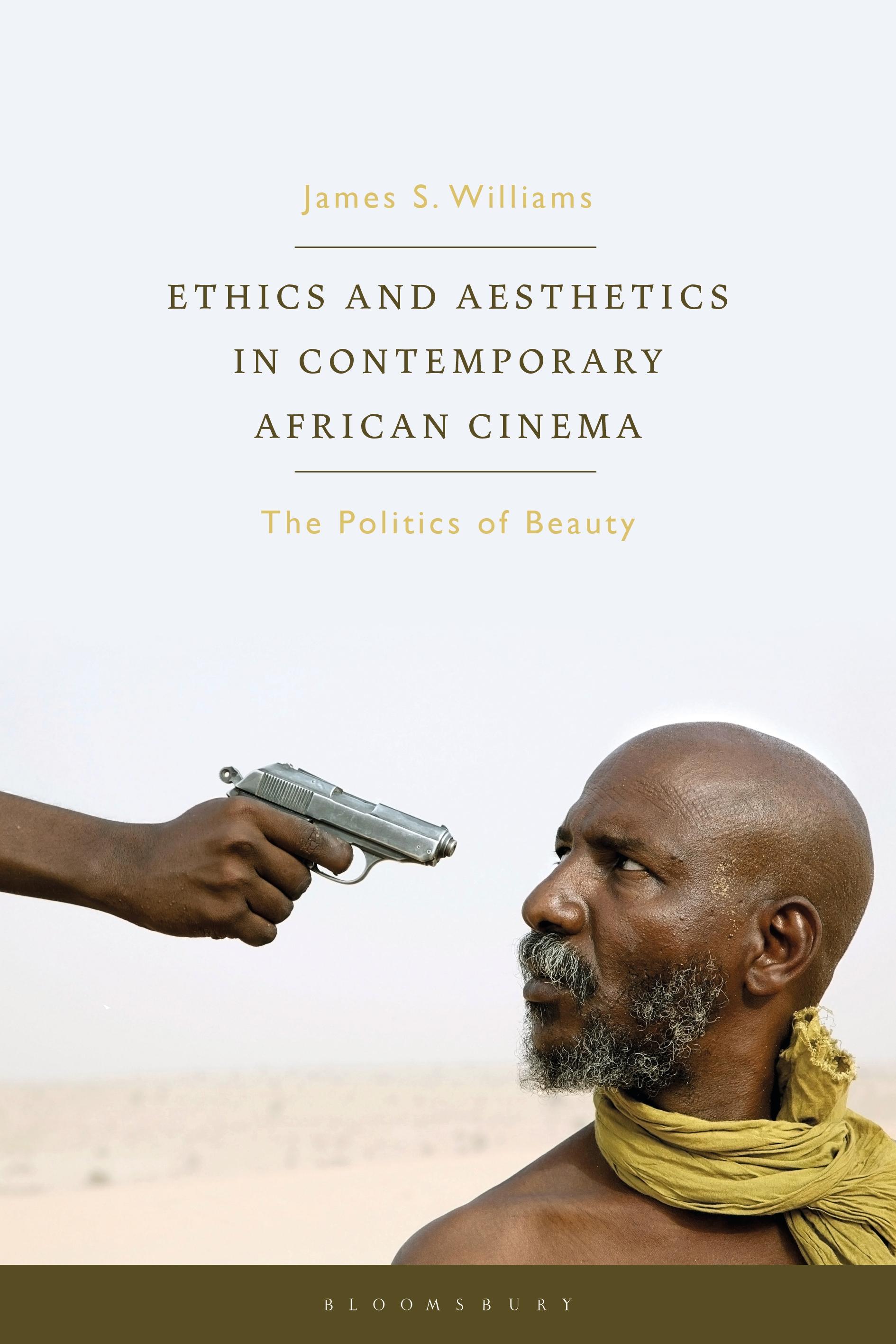
Since the beginnings of African cinema, the realm of beauty on screen has been treated with suspicion by directors and critics alike. James S. Williams explores an exciting new generation of African directors, including Abderrahmane Sissako, Mahamat-Saleh Haroun, Fanta Régina Nacro, Alain Gomis, Newton I. Aduaka, Jean-Pierre Bekolo and Mati Diop, who have begun to reassess and embrace the concept of cinematic beauty by not reducing it to ideological critique or the old ideals of pan-Africanism.
Locating the aesthetic within a range of critical fields - the rupturing of narrative spectacle and violence by montage, the archives of the everyday in the 'afropolis', the plurivocal mysteries of sound and language, male intimacy and desire, the borderzones of migration and transcultural drift - this study reveals the possibility for new, non-conceptual kinds of beauty in African cinema: abstract, material, migrant, erotic, convulsive, queer. Through close readings of key works such as Life on Earth (1998), The Night of Truth (2004), Bamako (2006), Daratt (Dry Season) (2006), A Screaming Man (2010), Tey (Today) (2012), The Pirogue (2012), Mille soleils (2013) and Timbuktu (2014), Williams argues that contemporary African filmmakers are proposing propitious, ethical forms of relationality and intersubjectivity. These stimulate new modes of cultural resistance and transformation that serve to redefine the transnational and the cosmopolitan as well as the very notion of the political in postcolonial art cinema.
Since the beginnings of African cinema, the realm of beauty on screen has been treated with suspicion by directors and critics alike. James S. Williams explores an exciting new generation of African directors, including Abderrahmane Sissako, Mahamat-Saleh Haroun, Fanta Régina Nacro, Alain Gomis, Newton I. Aduaka, Jean-Pierre Bekolo and Mati Diop, who have begun to reassess and embrace the concept of cinematic beauty by not reducing it to ideological critique or the old ideals of pan-Africanism.
Locating the aesthetic within a range of critical fields - the rupturing of narrative spectacle and violence by montage, the archives of the everyday in the 'afropolis', the plurivocal mysteries of sound and language, male intimacy and desire, the borderzones of migration and transcultural drift - this study reveals the possibility for new, non-conceptual kinds of beauty in African cinema: abstract, material, migrant, erotic, convulsive, queer. Through close readings of key works such as Life on Earth (1998), The Night of Truth (2004), Bamako (2006), Daratt (Dry Season) (2006), A Screaming Man (2010), Tey (Today) (2012), The Pirogue (2012), Mille soleils (2013) and Timbuktu (2014), Williams argues that contemporary African filmmakers are proposing propitious, ethical forms of relationality and intersubjectivity. These stimulate new modes of cultural resistance and transformation that serve to redefine the transnational and the cosmopolitan as well as the very notion of the political in postcolonial art cinema.
Pagine: 376
Categoria: Film- & Medievetenskap
e-ISBN: 9781350105065
Peso di spedizione: 1.2 kg
Spedito in: 1-2 giorni
Paga facilmente con carta, Klarna, Apple Pay o Google Pay. Non sei soddisfatto? Hai sempre 14 giorni per il rimborso. Leggi di più nei nostri termini. Per qualsiasi domanda, scrivici a hello@memmo.org.
Memmo rende lo studio più facile, ovunque tu sia nel mondo. Qui trovi i tuoi libri di testo e strumenti di studio intelligenti, tutto in un unico posto: riassunti, quiz, podcast e flashcard. E poi c'è Ted, il tuo compagno di studio che risponde a ogni tua domanda. Oltre 50.000 studenti studiano già qui: è stato creato per aiutarti a imparare più velocemente e a stressarti meno.