
Shortlisted for the PQ Best Publication Award in Performance Design & Scenography 2023
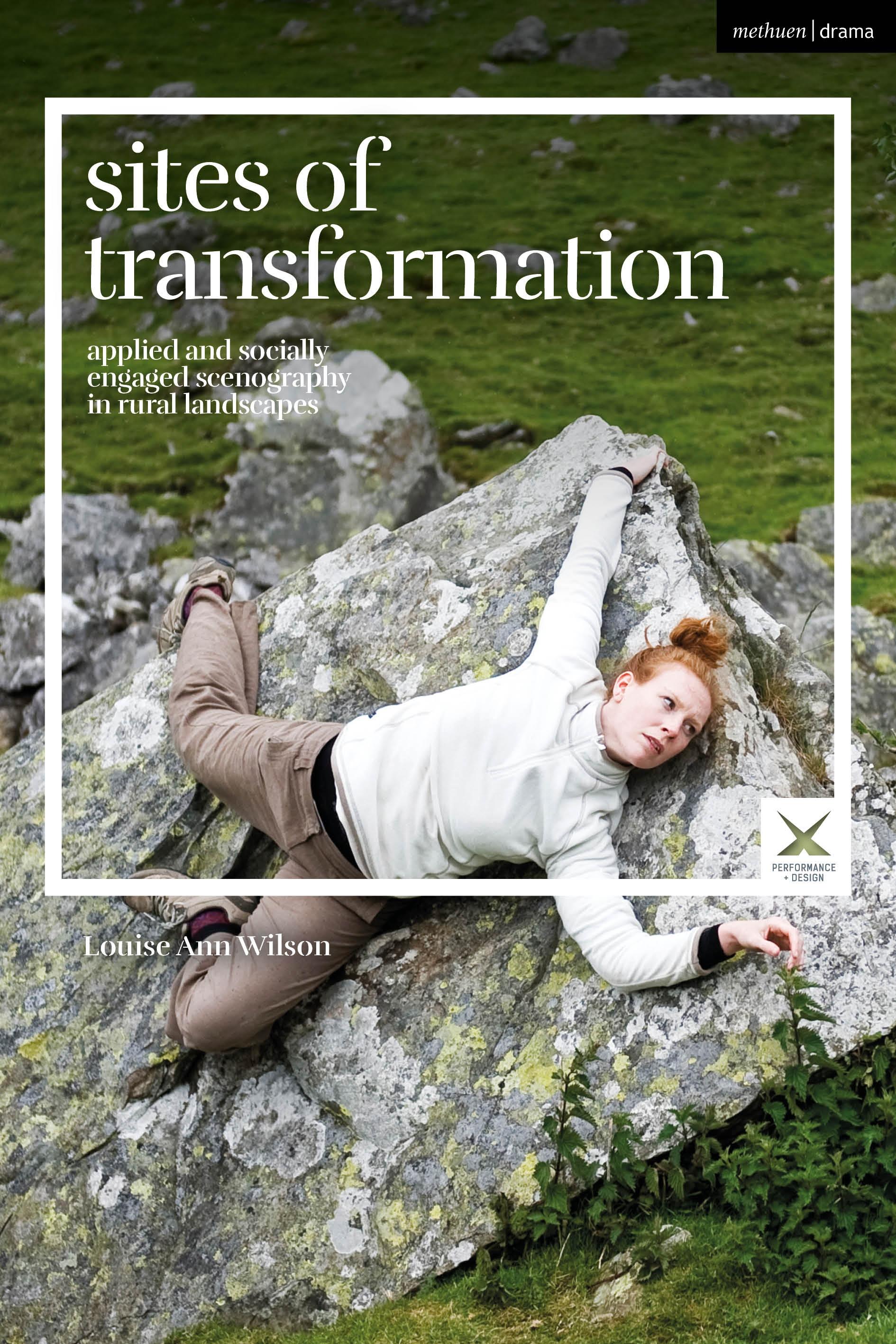
In this book practitioner and researcher Louise Ann Wilson examines the expanding field of socially engaged scenography and promotes the development of scenography as a distinctive type of applied art and performance practice that seeks tangible, therapeutic, and transformative real-world outcomes. It is what Christopher Baugh calls 'scenography with purpose'.
Using case studies drawn from the body of site-specific walking-performances she has created in the UK since 2011, Wilson demonstrates how she uses scenography to emplace challenging, marginalizing or 'missing' life-events into rural landscapes – creating a site of transformation – in which participants can reflect upon, re-image and re-imagine their relationship to their circumstances. Her work has addressed terminal illness and bereavement, infertility and childlessness by circumstance, and (im)mobility and memory. These works have been created on mountains, in caves, along coastlines and over beaches. Each case-study is supported by evidential material demonstrating the effects and outcomes of the performance being discussed.
The book reveals Wilson's creative methodology, her application of three distinct strands of transdisciplinary research into the site/landscape, the subject/life-event, and with the people/participants affected by it. She explains the 7 'scenographic' principles she has developed, and which apply theories and aesthetics relating to land/scape art and walking and performance practices from Early Romanticism to the present day. They are underpinned by the concept of the feminine 'material' sublime, and informed by the attentive, autotopographic, therapeutic and highly scenographic use of walking and landscape found in the work of Dorothy Wordsworth and her female contemporaries. Case studies include Fissure (2011), Ghost Bird (2012), The Gathering (2014), Warnscale (2015), Mulliontide (2016), Dorothy's Room (2018) and Women's Walks to Remember: 'With memory I was there' (2018-2019).
In this book practitioner and researcher Louise Ann Wilson examines the expanding field of socially engaged scenography and promotes the development of scenography as a distinctive type of applied art and performance practice that seeks tangible, therapeutic, and transformative real-world outcomes. It is what Christopher Baugh calls 'scenography with purpose'.
Using case studies drawn from the body of site-specific walking-performances she has created in the UK since 2011, Wilson demonstrates how she uses scenography to emplace challenging, marginalizing or 'missing' life-events into rural landscapes – creating a site of transformation – in which participants can reflect upon, re-image and re-imagine their relationship to their circumstances. Her work has addressed terminal illness and bereavement, infertility and childlessness by circumstance, and (im)mobility and memory. These works have been created on mountains, in caves, along coastlines and over beaches. Each case-study is supported by evidential material demonstrating the effects and outcomes of the performance being discussed.
The book reveals Wilson's creative methodology, her application of three distinct strands of transdisciplinary research into the site/landscape, the subject/life-event, and with the people/participants affected by it. She explains the 7 'scenographic' principles she has developed, and which apply theories and aesthetics relating to land/scape art and walking and performance practices from Early Romanticism to the present day. They are underpinned by the concept of the feminine 'material' sublime, and informed by the attentive, autotopographic, therapeutic and highly scenographic use of walking and landscape found in the work of Dorothy Wordsworth and her female contemporaries. Case studies include Fissure (2011), Ghost Bird (2012), The Gathering (2014), Warnscale (2015), Mulliontide (2016), Dorothy's Room (2018) and Women's Walks to Remember: 'With memory I was there' (2018-2019).
Pagine: 248
Categoria: Arkitektur & Stadsplanering
e-ISBN: 9781350104457
Peso di spedizione: 1.2 kg
Spedito in: 1-2 giorni
Paga facilmente con carta, Klarna, Apple Pay o Google Pay. Non sei soddisfatto? Hai sempre 14 giorni per il rimborso. Leggi di più nei nostri termini. Per qualsiasi domanda, scrivici a hello@memmo.org.
Memmo rende lo studio più facile, ovunque tu sia nel mondo. Qui trovi i tuoi libri di testo e strumenti di studio intelligenti, tutto in un unico posto: riassunti, quiz, podcast e flashcard. E poi c'è Ted, il tuo compagno di studio che risponde a ogni tua domanda. Oltre 50.000 studenti studiano già qui: è stato creato per aiutarti a imparare più velocemente e a stressarti meno.