
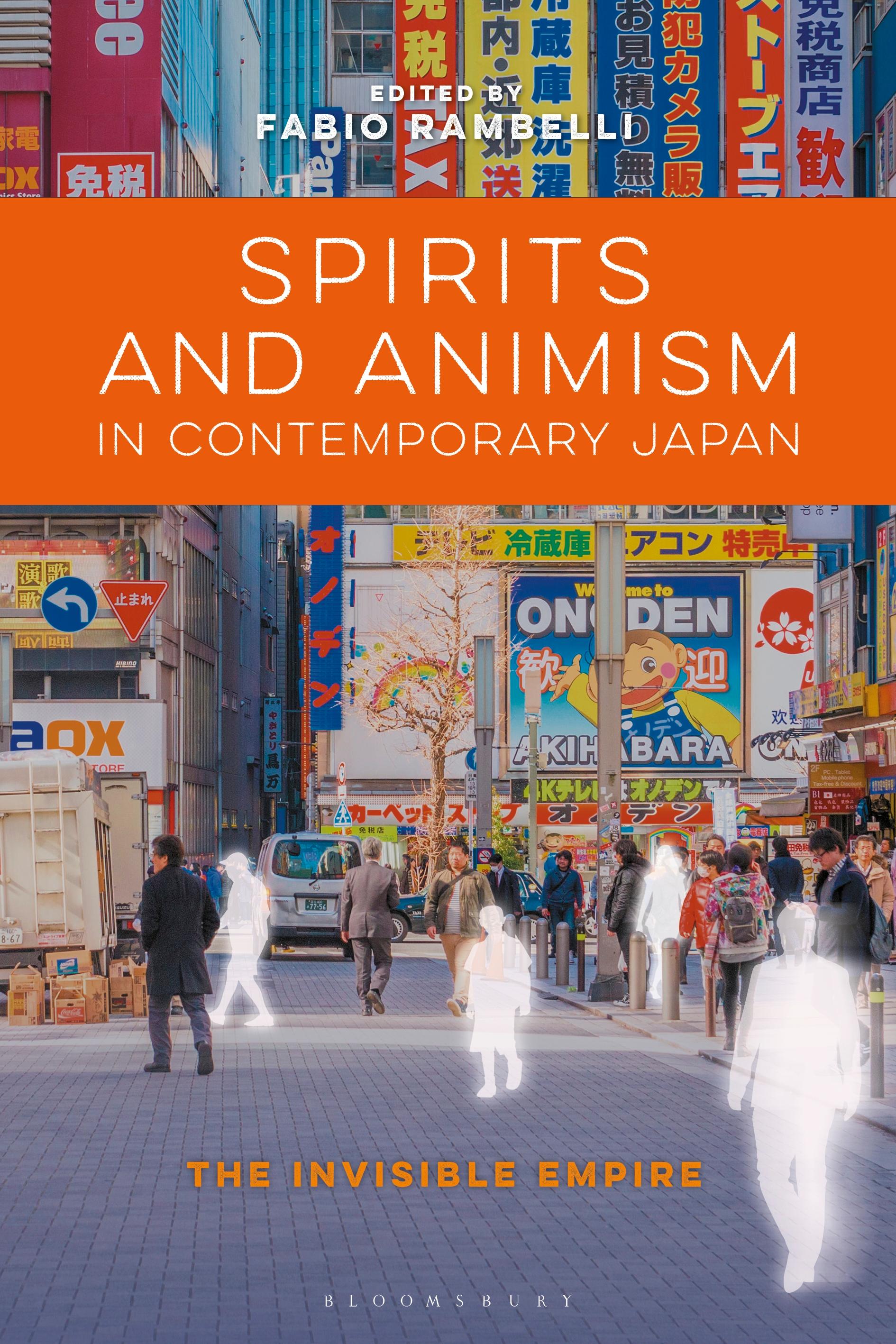
This book draws attention to a striking aspect of contemporary Japanese culture: the prevalence of discussions and representations of “spirits” (tama or tamashii). Ancestor cults have played a central role in Japanese culture and religion for many centuries; in recent decades, however, other phenomena have expanded and diversified the realm of Japanese animism. For example, many manga, anime, TV shows, literature, and art works deal with spirits, ghosts, or with an invisible dimension of reality. International contributors ask to what extent these are cultural forms created by the media for consumption, rather than manifestations of “traditional” ancestral spirituality in their adaptations to contemporary society.
Spirits and Animism in Contemporary Japan considers the modes of representations and the possible cultural meanings of spirits, as well as the metaphysical implications of contemporary Japanese ideas about spirits. The chapters offer analyses of specific cases of “animistic attitudes” in which the presence of spirits and spiritual forces is alleged, and attempt to trace cultural genealogies of those attitudes. In particular, they present various modes of representation of spirits (in contemporary art, architecture, visual culture, cinema, literature, diffuse spirituality) while at the same time addressing their underlying intellectual and religious assumptions.
Spirits and Animism in Contemporary Japan considers the modes of representations and the possible cultural meanings of spirits, as well as the metaphysical implications of contemporary Japanese ideas about spirits. The chapters offer analyses of specific cases of “animistic attitudes” in which the presence of spirits and spiritual forces is alleged, and attempt to trace cultural genealogies of those attitudes. In particular, they present various modes of representation of spirits (in contemporary art, architecture, visual culture, cinema, literature, diffuse spirituality) while at the same time addressing their underlying intellectual and religious assumptions.
Paga facilmente con carta, Klarna, Apple Pay o Google Pay. Non sei soddisfatto? Hai sempre 14 giorni per il rimborso. Leggi di più nei nostri termini. Per qualsiasi domanda, scrivici a hello@memmo.org.
Memmo rende lo studio più facile, ovunque tu sia nel mondo. Qui trovi i tuoi libri di testo e strumenti di studio intelligenti, tutto in un unico posto: riassunti, quiz, podcast e flashcard. E poi c'è Ted, il tuo compagno di studio che risponde a ogni tua domanda. Oltre 50.000 studenti studiano già qui: è stato creato per aiutarti a imparare più velocemente e a stressarti meno.