
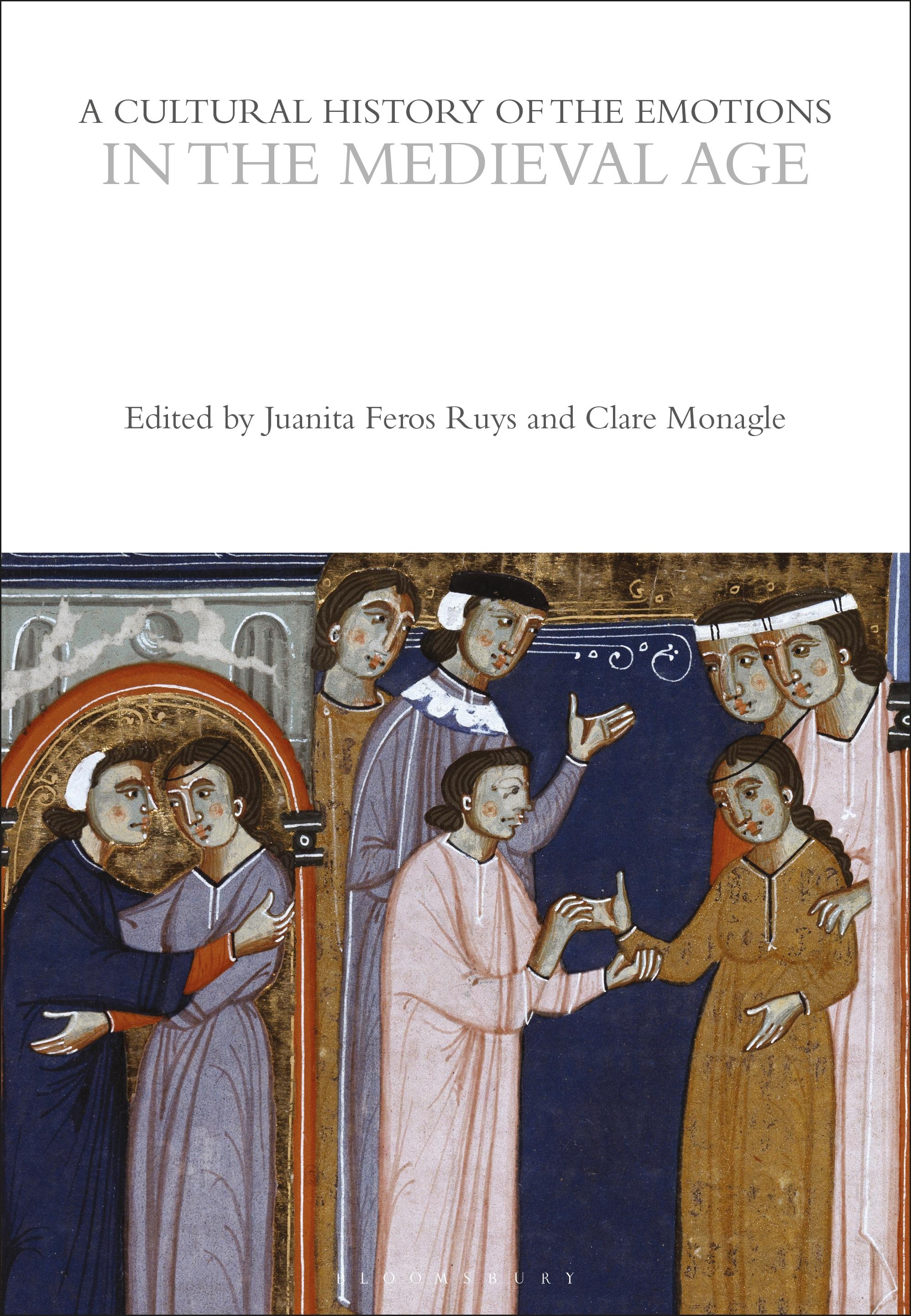
Our period opens at the end of the Roman Empire when intellectual currents are indebted to the Greek philosophical inheritance of Plato and Aristotle, as well as to a Romanized Stoicism. Into this mix entered the new, and from 313CE imperially sanctioned, religion of Christianity. In art, literature, music, and drama, we find an increasing emphasis on the arousal of individual emotions and their acceptance as a means towards devotion. In religion, we see a move from the ascetic regulation of emotions to the affective piety of the later medieval period that valued the believer's identification with the Passion of Christ and the sorrow of Mary. In science and medicine, the nature and causes of emotions, their role in constituting the human person, and their impact on the same became a subject of academic inquiry. Emotions also played an increasingly important public role, evidenced in populace-wide events such as conversion and the strategies of rulership. Between 350 and 1300, emotions were transformed from something to be transcended into a location for meditation upon what it means to be human.
Paga facilmente con carta, Klarna, Apple Pay o Google Pay. Non sei soddisfatto? Hai sempre 14 giorni per il rimborso. Leggi di più nei nostri termini. Per qualsiasi domanda, scrivici a hello@memmo.org.
Memmo rende lo studio più facile, ovunque tu sia nel mondo. Qui trovi i tuoi libri di testo e strumenti di studio intelligenti, tutto in un unico posto: riassunti, quiz, podcast e flashcard. E poi c'è Ted, il tuo compagno di studio che risponde a ogni tua domanda. Oltre 50.000 studenti studiano già qui: è stato creato per aiutarti a imparare più velocemente e a stressarti meno.