
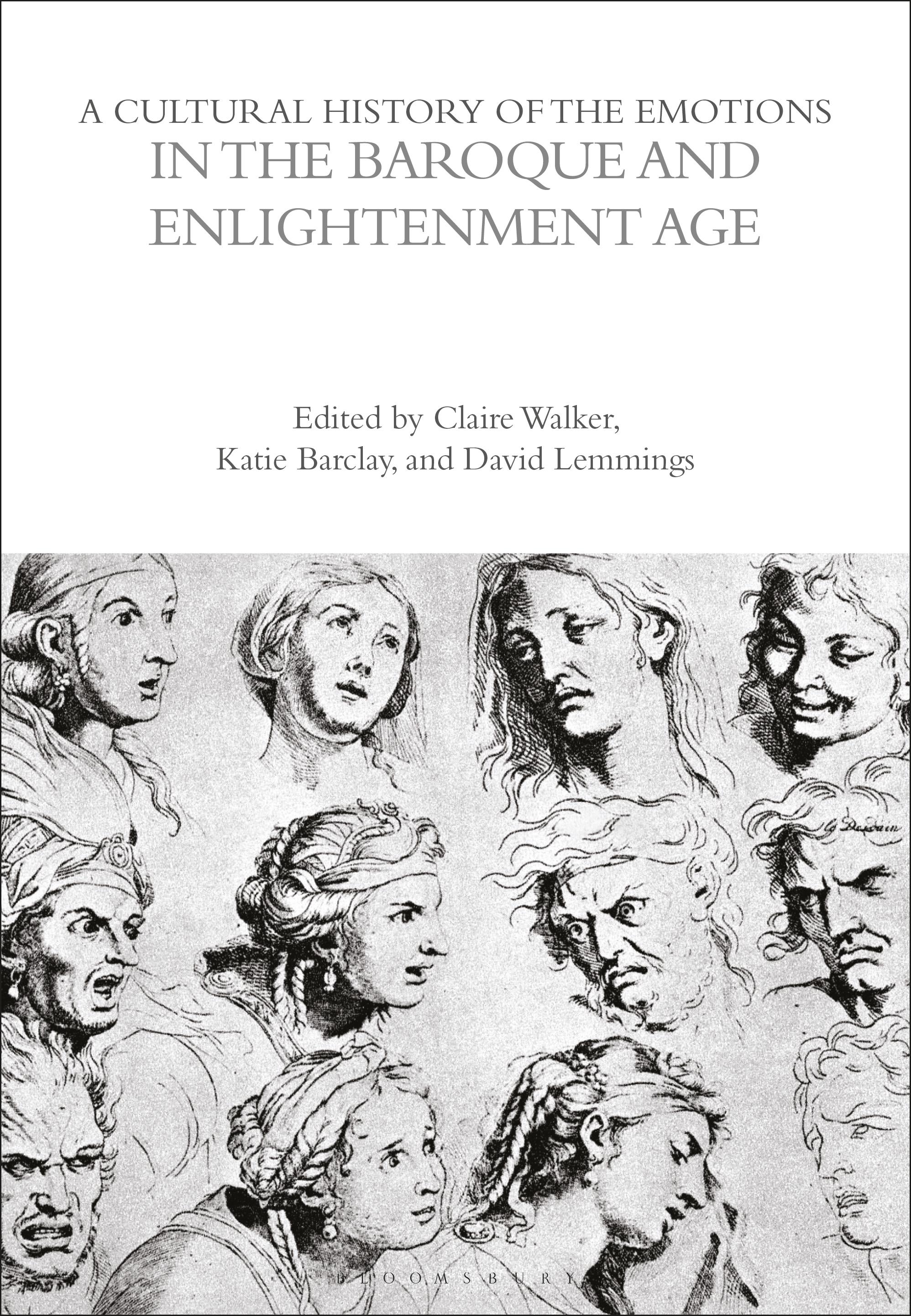
During the period of the Baroque and Enlightenment the word “emotion”, denoting passions and feelings, came into usage, albeit in an irregular fashion. “Emotion” ultimately emerged as a term in its own right, and evolved in English from meaning physical agitation to describe mental feeling. However, the older terminology of “passions” and “affections” continued as the dominant discourse structuring thinking about feeling and its wider religious, political, social, economic, and moral imperatives. The emotional cultures described in these essays enable some comparative discussion about the history of emotions, and particularly the causes and consequences of emotional change in the larger cultural contexts of the Baroque and Enlightenment. Emotions research has enabled a rethinking of dominant narratives of the period-of histories of revolution, state-building, the rise of the public sphere, religious and scientific transformation, and more. As a new and dynamic field, the essays here are just the beginning of a much bigger history of emotions.
Paga facilmente con carta, Klarna, Apple Pay o Google Pay. Non sei soddisfatto? Hai sempre 14 giorni per il rimborso. Leggi di più nei nostri termini. Per qualsiasi domanda, scrivici a hello@memmo.org.
Memmo rende lo studio più facile, ovunque tu sia nel mondo. Qui trovi i tuoi libri di testo e strumenti di studio intelligenti, tutto in un unico posto: riassunti, quiz, podcast e flashcard. E poi c'è Ted, il tuo compagno di studio che risponde a ogni tua domanda. Oltre 50.000 studenti studiano già qui: è stato creato per aiutarti a imparare più velocemente e a stressarti meno.