
How should we study religion? Must we be religious ourselves to truly understand it? Do we study religion to advance our knowledge, or should the study of religions help to reintroduce the sacred into our increasingly secularized world?
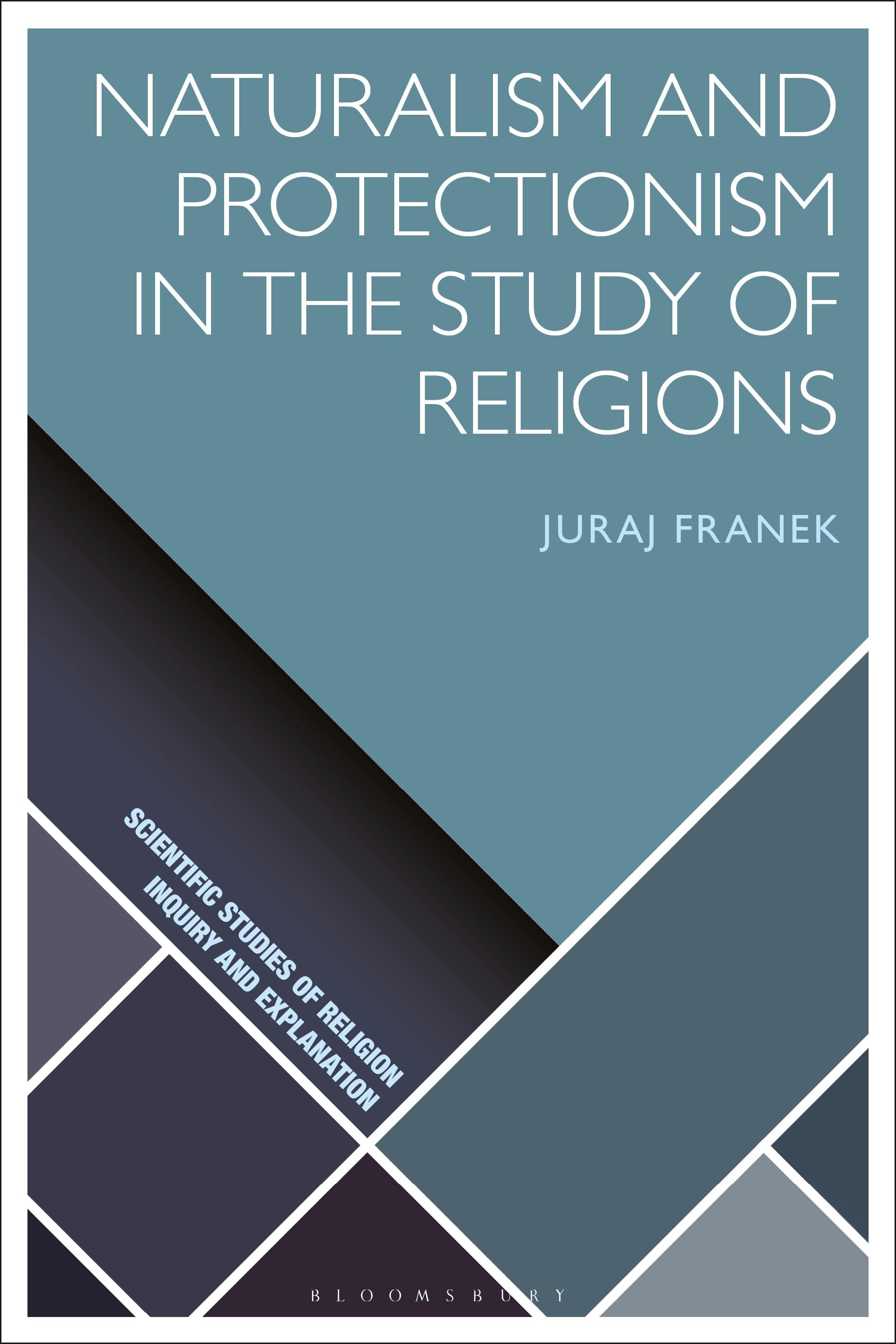
Juraj Franek argues that the study of religion has long been split into two competing paradigms: reductive (naturalist) and non-reductive (protectionist). While the naturalistic approach seems to run the risk of explaining religious phenomena away, the protectionist approach appears to risk falling short of the methodological standards of modern science. Franek uses primary source material from Greek and Latin sources to show that both competing paradigms are traceable to Presocratic philosophy and early Christian literature. He presents the idea that naturalists are distant heirs, not only of the French Enlightenment, but also of the Ionian one. Likewise, he argues that protectionists owe much of their arguments and strategies, not only to Luther and the Reformation, but to the earliest Christian literature.
This book analyses the conflict between reductive and non-reductive approach in the modern study of religions, and positions the Cognitive Science of Religion against a background of previous theories - ancient and modern - to demonstrate its importance for the revindication of the naturalist paradigm.
Juraj Franek argues that the study of religion has long been split into two competing paradigms: reductive (naturalist) and non-reductive (protectionist). While the naturalistic approach seems to run the risk of explaining religious phenomena away, the protectionist approach appears to risk falling short of the methodological standards of modern science. Franek uses primary source material from Greek and Latin sources to show that both competing paradigms are traceable to Presocratic philosophy and early Christian literature. He presents the idea that naturalists are distant heirs, not only of the French Enlightenment, but also of the Ionian one. Likewise, he argues that protectionists owe much of their arguments and strategies, not only to Luther and the Reformation, but to the earliest Christian literature.
This book analyses the conflict between reductive and non-reductive approach in the modern study of religions, and positions the Cognitive Science of Religion against a background of previous theories - ancient and modern - to demonstrate its importance for the revindication of the naturalist paradigm.
Pagine: 256
Categoria: Religion & Teologi
e-ISBN: 9781350082397
Peso di spedizione: 1.2 kg
Spedito in: 1-2 giorni
Paga facilmente con carta, Klarna, Apple Pay o Google Pay. Non sei soddisfatto? Hai sempre 14 giorni per il rimborso. Leggi di più nei nostri termini. Per qualsiasi domanda, scrivici a hello@memmo.org.
Memmo rende lo studio più facile, ovunque tu sia nel mondo. Qui trovi i tuoi libri di testo e strumenti di studio intelligenti, tutto in un unico posto: riassunti, quiz, podcast e flashcard. E poi c'è Ted, il tuo compagno di studio che risponde a ogni tua domanda. Oltre 50.000 studenti studiano già qui: è stato creato per aiutarti a imparare più velocemente e a stressarti meno.