
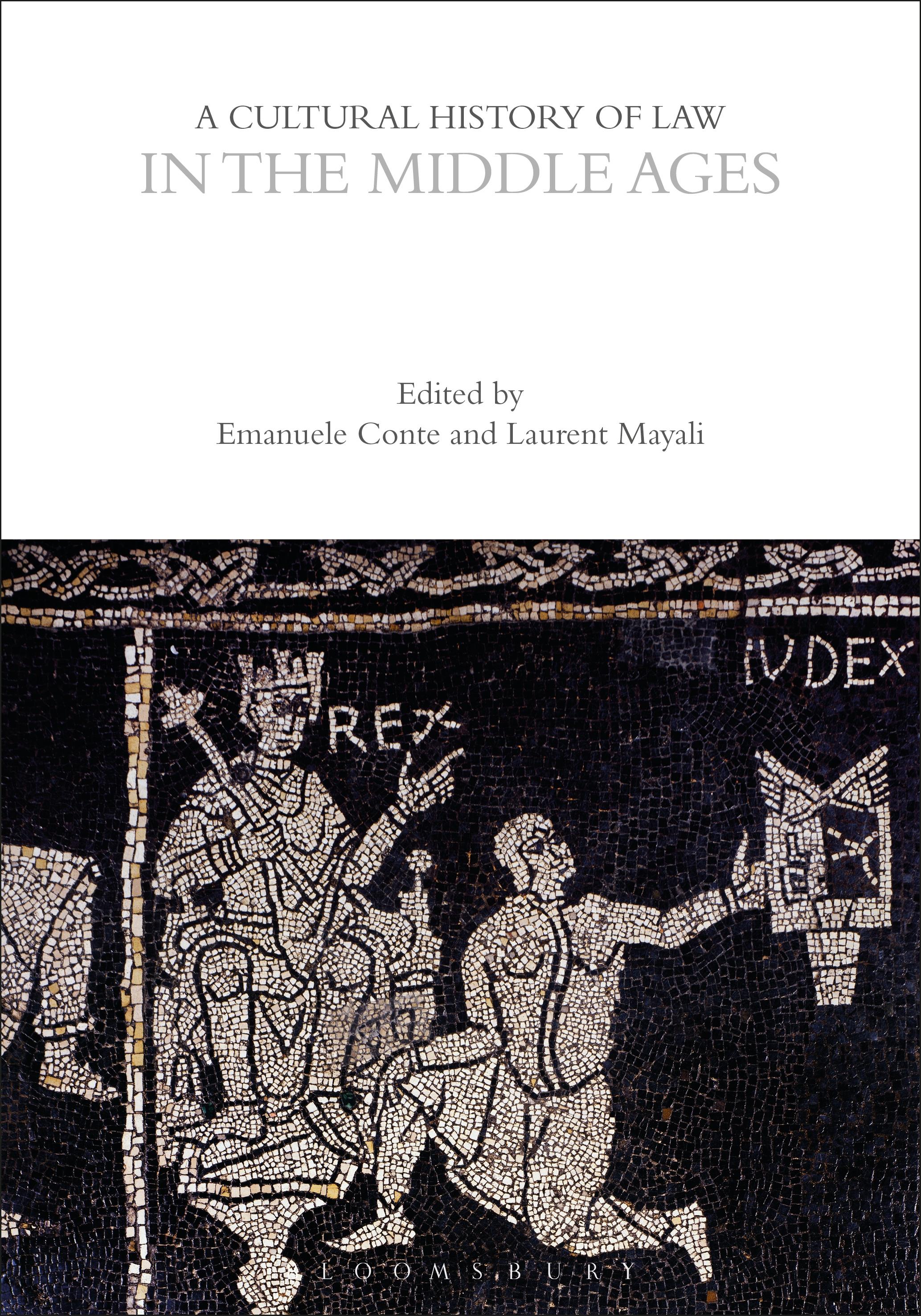
In 500, the legal order in Europe was structured around ancient customs, social practices and feudal values. By 1500, the effects of demographic change, new methods of farming and economic expansion had transformed the social and political landscape and had wrought radical change upon legal practices and systems throughout Western Europe. A Cultural History of Law in the Middle Ages explores this change and the rich and varied encounters between Christianity and Roman legal thought which shaped the period. Evolving from a combination of religious norms, local customs, secular legislations, and Roman jurisprudence, medieval law came to define an order that promoted new forms of individual and social representation, fostered the political renewal that heralded the transition from feudalism to the Early Modern state and contributed to the diffusion of a common legal language.
Drawing upon a wealth of textual and visual sources, A Cultural History of Law in the Middle Ages presents essays that examine key cultural case studies of the period on the themes of justice, constitution, codes, agreements, arguments, property and possession, wrongs, and the legal profession.
Drawing upon a wealth of textual and visual sources, A Cultural History of Law in the Middle Ages presents essays that examine key cultural case studies of the period on the themes of justice, constitution, codes, agreements, arguments, property and possession, wrongs, and the legal profession.
Paga facilmente con carta, Klarna, Apple Pay o Google Pay. Non sei soddisfatto? Hai sempre 14 giorni per il rimborso. Leggi di più nei nostri termini. Per qualsiasi domanda, scrivici a hello@memmo.org.
Memmo rende lo studio più facile, ovunque tu sia nel mondo. Qui trovi i tuoi libri di testo e strumenti di studio intelligenti, tutto in un unico posto: riassunti, quiz, podcast e flashcard. E poi c'è Ted, il tuo compagno di studio che risponde a ogni tua domanda. Oltre 50.000 studenti studiano già qui: è stato creato per aiutarti a imparare più velocemente e a stressarti meno.