
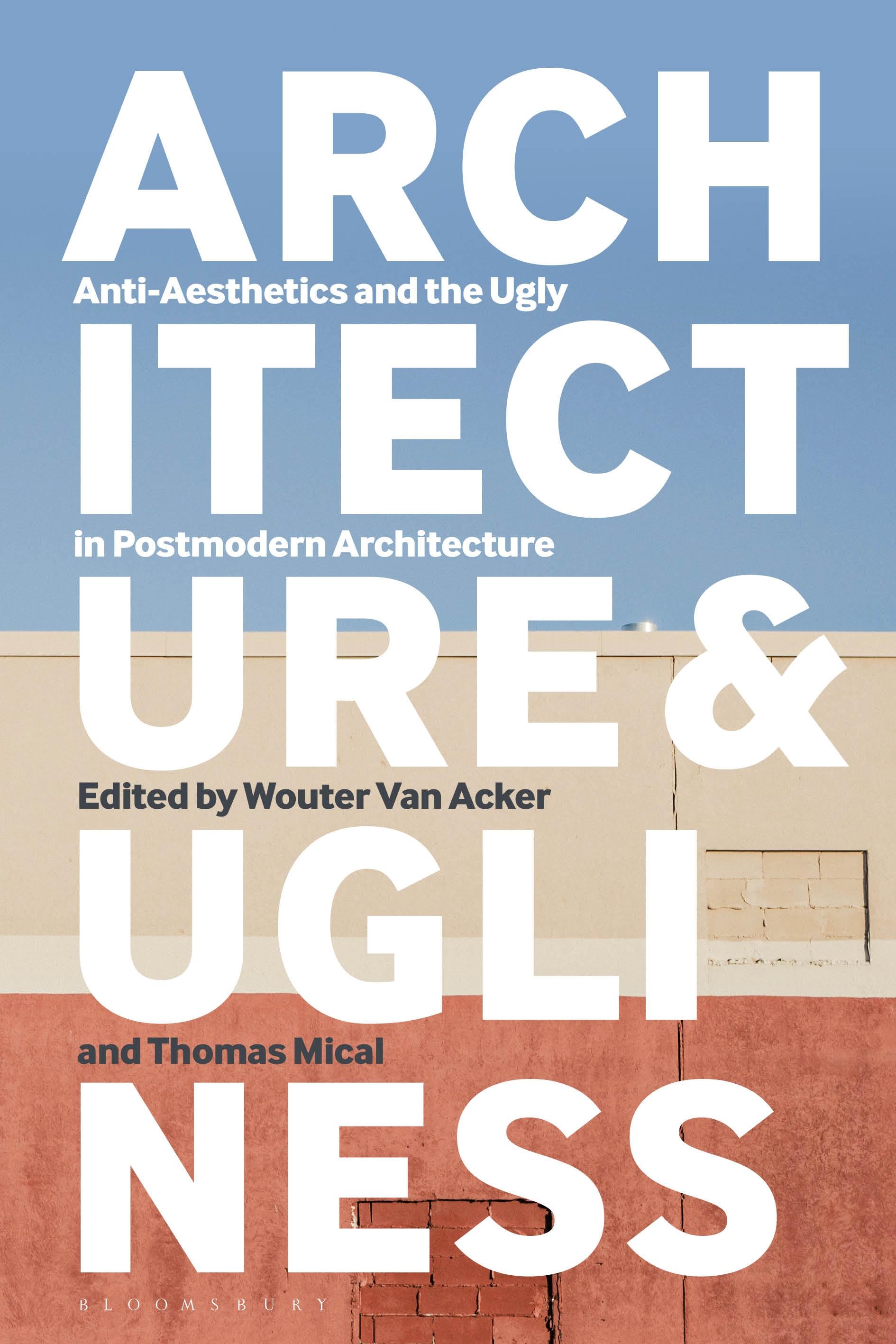
Whatever 'ugliness' is, it remains a problematic category in architectural aesthetics – alternately vilified and appropriated, used either to shock or to invert conventions of architecture.
This book presents sixteen new scholarly essays which rethink ugliness in recent architecture – from Brutalism to eclectic postmodern architectural productions – and together offer a diverse reappraisal of the history and theory of postmodern architecture and design. The essays address both broad theoretical questions on ugliness and postmodern aesthetics, as well as more specific analyses of significant architectural examples dating from the last decades of the twentieth century. The book attends to the diverse relations between the aesthetic register of ugliness and closely connected aesthetic concepts such as the monstrous, the ordinary, disgust, the excessive, the grotesque, the interesting, the impure and the sublime.
This volume does not simply document the history of a postmodern anti-aesthetic through case studies. Instead, it aims to shed light on aesthetic problems that have been largely overlooked in the agenda of architectural theory. This book answers in detail the questions: How did postmodern architects appropriate troublesome contradictions bound to the raw ugliness of the real? How have the ugly and the antiaesthetic been a productive force in postmodern architecture? How can ugliness be of value to architecture? And how can architecture make good use of ugliness?
This book presents sixteen new scholarly essays which rethink ugliness in recent architecture – from Brutalism to eclectic postmodern architectural productions – and together offer a diverse reappraisal of the history and theory of postmodern architecture and design. The essays address both broad theoretical questions on ugliness and postmodern aesthetics, as well as more specific analyses of significant architectural examples dating from the last decades of the twentieth century. The book attends to the diverse relations between the aesthetic register of ugliness and closely connected aesthetic concepts such as the monstrous, the ordinary, disgust, the excessive, the grotesque, the interesting, the impure and the sublime.
This volume does not simply document the history of a postmodern anti-aesthetic through case studies. Instead, it aims to shed light on aesthetic problems that have been largely overlooked in the agenda of architectural theory. This book answers in detail the questions: How did postmodern architects appropriate troublesome contradictions bound to the raw ugliness of the real? How have the ugly and the antiaesthetic been a productive force in postmodern architecture? How can ugliness be of value to architecture? And how can architecture make good use of ugliness?
Pagine: 304
Categoria: Arkitektur & Stadsplanering
e-ISBN: 9781350068254
Peso di spedizione: 1.2 kg
Spedito in: 1-2 giorni
Paga facilmente con carta, Klarna, Apple Pay o Google Pay. Non sei soddisfatto? Hai sempre 14 giorni per il rimborso. Leggi di più nei nostri termini. Per qualsiasi domanda, scrivici a hello@memmo.org.
Memmo rende lo studio più facile, ovunque tu sia nel mondo. Qui trovi i tuoi libri di testo e strumenti di studio intelligenti, tutto in un unico posto: riassunti, quiz, podcast e flashcard. E poi c'è Ted, il tuo compagno di studio che risponde a ogni tua domanda. Oltre 50.000 studenti studiano già qui: è stato creato per aiutarti a imparare più velocemente e a stressarti meno.