
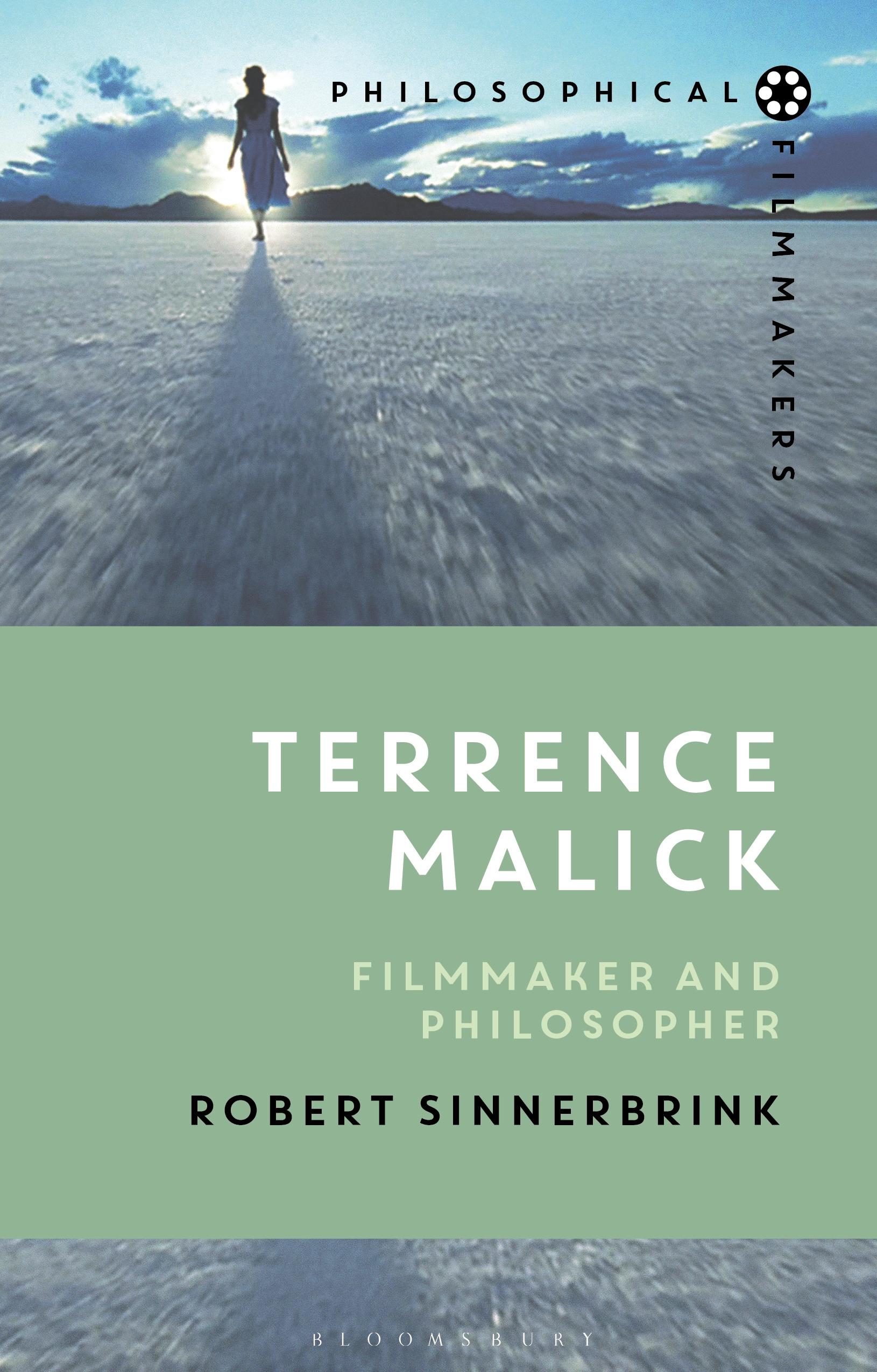
Many critics have approached Terrence Malick's work from a philosophical perspective, arguing that his films express philosophy through cinema. With their remarkable images of nature, poetic voiceovers, and meditative reflections, Malick's cinema certainly invites philosophical engagement.
In Terrence Malick: Filmmaker and Philosopher, Robert Sinnerbrink takes a different approach, exploring Malick's work as a case of cinematic ethics: films that evoke varieties of ethical experience, encompassing existential, metaphysical, and religious perspectives. Malick's films are not reducible to a particular moral position or philosophical doctrine; rather, they solicit ethically significant forms of experience, encompassing anxiety and doubt, wonder and awe, to questioning and acknowledgment, through aesthetic engagement and poetic reflection.
Drawing on a range of thinkers and approaches from Heidegger and Cavell, Nietzsche and Kierkegaard, to phenomenology and moral psychology Sinnerbrink explores how Malick's films respond to the problem of nihilism the loss of conviction or belief in prevailing forms of value and meaning and the possibility of ethical transformation through cinema: from self-transformation in our relations with others to cultural transformation via our attitudes towards towards nature and the world. Sinnerbrink shows how Malick's later films, from The Tree of Life to Voyage of Time, provide unique opportunities to explore cinematic ethics in relation to the crisis of belief, the phenomenology of love, and film's potential to invite moral transformation.
In Terrence Malick: Filmmaker and Philosopher, Robert Sinnerbrink takes a different approach, exploring Malick's work as a case of cinematic ethics: films that evoke varieties of ethical experience, encompassing existential, metaphysical, and religious perspectives. Malick's films are not reducible to a particular moral position or philosophical doctrine; rather, they solicit ethically significant forms of experience, encompassing anxiety and doubt, wonder and awe, to questioning and acknowledgment, through aesthetic engagement and poetic reflection.
Drawing on a range of thinkers and approaches from Heidegger and Cavell, Nietzsche and Kierkegaard, to phenomenology and moral psychology Sinnerbrink explores how Malick's films respond to the problem of nihilism the loss of conviction or belief in prevailing forms of value and meaning and the possibility of ethical transformation through cinema: from self-transformation in our relations with others to cultural transformation via our attitudes towards towards nature and the world. Sinnerbrink shows how Malick's later films, from The Tree of Life to Voyage of Time, provide unique opportunities to explore cinematic ethics in relation to the crisis of belief, the phenomenology of love, and film's potential to invite moral transformation.
Pagine: 272
Categoria: Film- & Medievetenskap
e-ISBN: 9781350063655
Peso di spedizione: 1.2 kg
Spedito in: 1-2 giorni
Paga facilmente con carta, Klarna, Apple Pay o Google Pay. Non sei soddisfatto? Hai sempre 14 giorni per il rimborso. Leggi di più nei nostri termini. Per qualsiasi domanda, scrivici a hello@memmo.org.
Memmo rende lo studio più facile, ovunque tu sia nel mondo. Qui trovi i tuoi libri di testo e strumenti di studio intelligenti, tutto in un unico posto: riassunti, quiz, podcast e flashcard. E poi c'è Ted, il tuo compagno di studio che risponde a ogni tua domanda. Oltre 50.000 studenti studiano già qui: è stato creato per aiutarti a imparare più velocemente e a stressarti meno.