
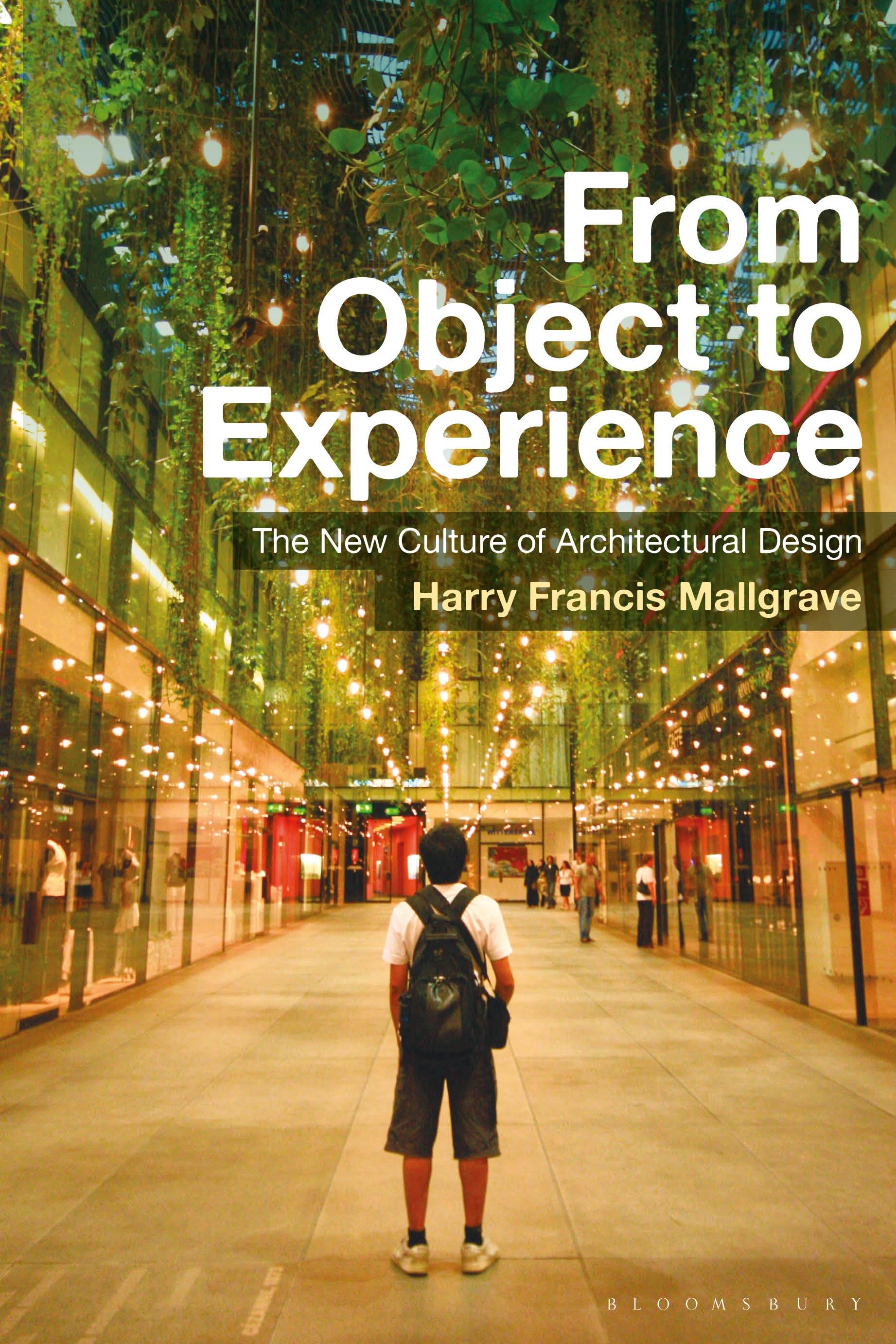
Harry Francis Mallgrave combines a history of ideas about architectural experience with the latest insights from the fields of neuroscience, cognitive science and evolutionary biology to make a powerful argument about the nature and future of architectural design.
Today, the sciences have granted us the tools to help us understand better than ever before the precise ways in which the built environment can affect the building user's individual experience. Through an understanding of these tools, architects should be able to become better designers, prioritizing the experience of space - the emotional and aesthetic responses, and the sense of homeostatic well-being, of those who will occupy any designed environment. In From Object to Experience, Mallgrave goes further, arguing that it should also be possible to build an effective new cultural ethos for architectural practice.
Drawing upon a range of humanistic and biological sources, and emphasizing the far-reaching implications of new neuroscientific discoveries and models, this book brings up-to-date insights and theoretical clarity to a position that was once considered revolutionary but is fast becoming accepted in architecture.
Today, the sciences have granted us the tools to help us understand better than ever before the precise ways in which the built environment can affect the building user's individual experience. Through an understanding of these tools, architects should be able to become better designers, prioritizing the experience of space - the emotional and aesthetic responses, and the sense of homeostatic well-being, of those who will occupy any designed environment. In From Object to Experience, Mallgrave goes further, arguing that it should also be possible to build an effective new cultural ethos for architectural practice.
Drawing upon a range of humanistic and biological sources, and emphasizing the far-reaching implications of new neuroscientific discoveries and models, this book brings up-to-date insights and theoretical clarity to a position that was once considered revolutionary but is fast becoming accepted in architecture.
Pagine: 256
Categoria: Arkitektur & Stadsplanering
e-ISBN: 9781350059542
Peso di spedizione: 1.2 kg
Spedito in: 1-2 giorni
Paga facilmente con carta, Klarna, Apple Pay o Google Pay. Non sei soddisfatto? Hai sempre 14 giorni per il rimborso. Leggi di più nei nostri termini. Per qualsiasi domanda, scrivici a hello@memmo.org.
Memmo rende lo studio più facile, ovunque tu sia nel mondo. Qui trovi i tuoi libri di testo e strumenti di studio intelligenti, tutto in un unico posto: riassunti, quiz, podcast e flashcard. E poi c'è Ted, il tuo compagno di studio che risponde a ogni tua domanda. Oltre 50.000 studenti studiano già qui: è stato creato per aiutarti a imparare più velocemente e a stressarti meno.