
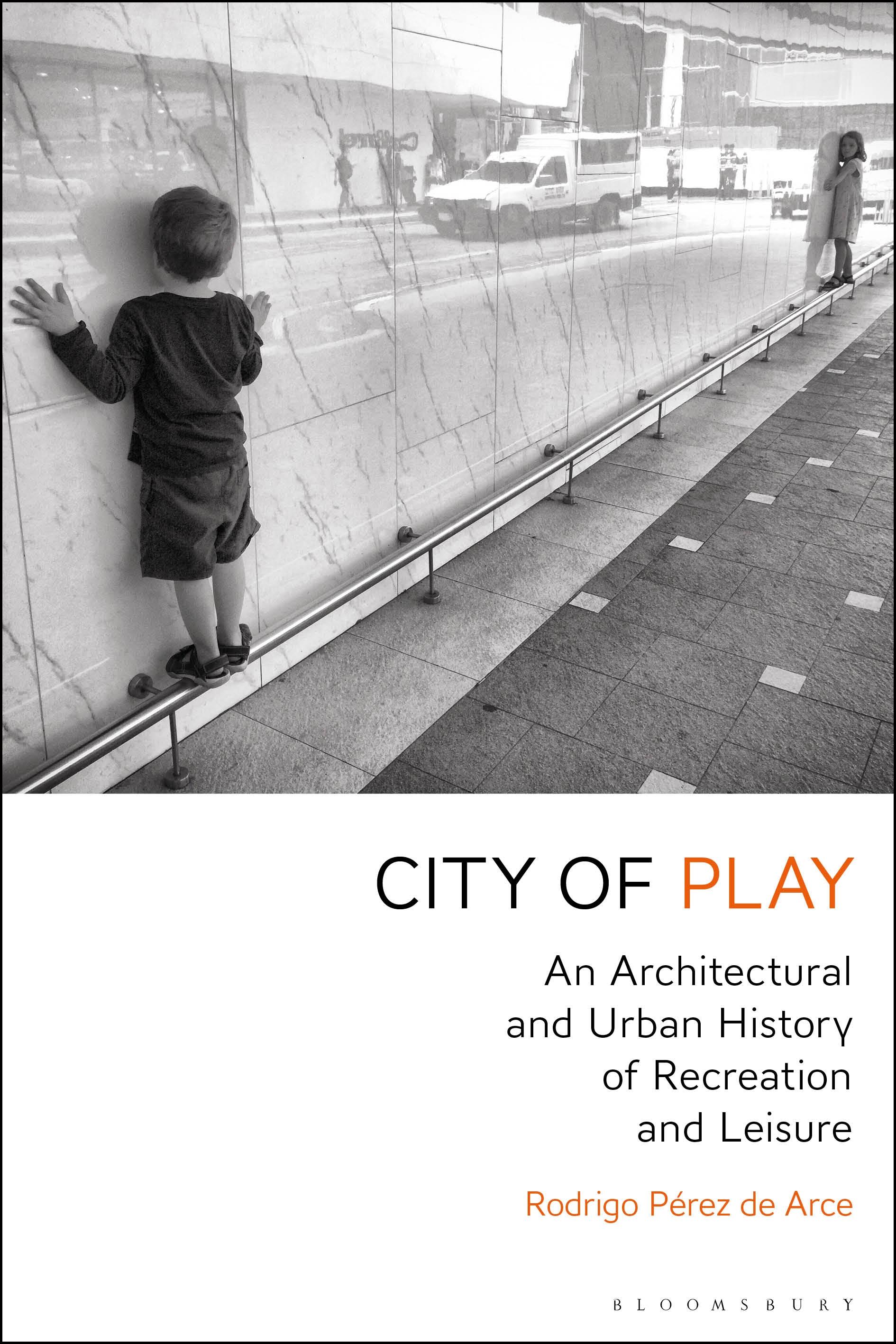
City of Play shows how play is built into the very fabric of the modern city. From playgrounds to theme parks, skittle alleys to swimming pools, to the countless uncontrolled spaces which the urban habitat affords – play is by no means just a childhood affair. A myriad essentially unproductive playful pursuits have, through time, modelled the modern city and landscape.
Architect and scholar Rodrigo Pérez de Arce's erudite, original, and often surprising study explores a curiously neglected dimension of architectural design and practice: ludic space. It is an architectural history of the playground – from the hippodrome to the Situationist city – of space released from productive ends in the pursuit of leisure. But this is more than just a book about how architecture has incorporated play into its spaces and structures, it is a history of the modern city itself. The ludic imagination impregnated modernist ideals, and what begins with the playground ends with a re-consideration of the whole sweep of the modern movement through the filter of leisure and play.
Because play is such a basic or fundamental human experience, the book re-grounds the architect's concerns with those of non-architects – and not only those of adults but also of children. It seeks to give everyone – architects and other ordinary city-dwellers alike – a better understanding about what is at stake in the making of the public spaces of our cities.
Architect and scholar Rodrigo Pérez de Arce's erudite, original, and often surprising study explores a curiously neglected dimension of architectural design and practice: ludic space. It is an architectural history of the playground – from the hippodrome to the Situationist city – of space released from productive ends in the pursuit of leisure. But this is more than just a book about how architecture has incorporated play into its spaces and structures, it is a history of the modern city itself. The ludic imagination impregnated modernist ideals, and what begins with the playground ends with a re-consideration of the whole sweep of the modern movement through the filter of leisure and play.
Because play is such a basic or fundamental human experience, the book re-grounds the architect's concerns with those of non-architects – and not only those of adults but also of children. It seeks to give everyone – architects and other ordinary city-dwellers alike – a better understanding about what is at stake in the making of the public spaces of our cities.
Pagine: 296
Categoria: Arkitektur & Stadsplanering
e-ISBN: 9781350032156
Peso di spedizione: 1.2 kg
Spedito in: 1-2 giorni
Paga facilmente con carta, Klarna, Apple Pay o Google Pay. Non sei soddisfatto? Hai sempre 14 giorni per il rimborso. Leggi di più nei nostri termini. Per qualsiasi domanda, scrivici a hello@memmo.org.
Memmo rende lo studio più facile, ovunque tu sia nel mondo. Qui trovi i tuoi libri di testo e strumenti di studio intelligenti, tutto in un unico posto: riassunti, quiz, podcast e flashcard. E poi c'è Ted, il tuo compagno di studio che risponde a ogni tua domanda. Oltre 50.000 studenti studiano già qui: è stato creato per aiutarti a imparare più velocemente e a stressarti meno.