
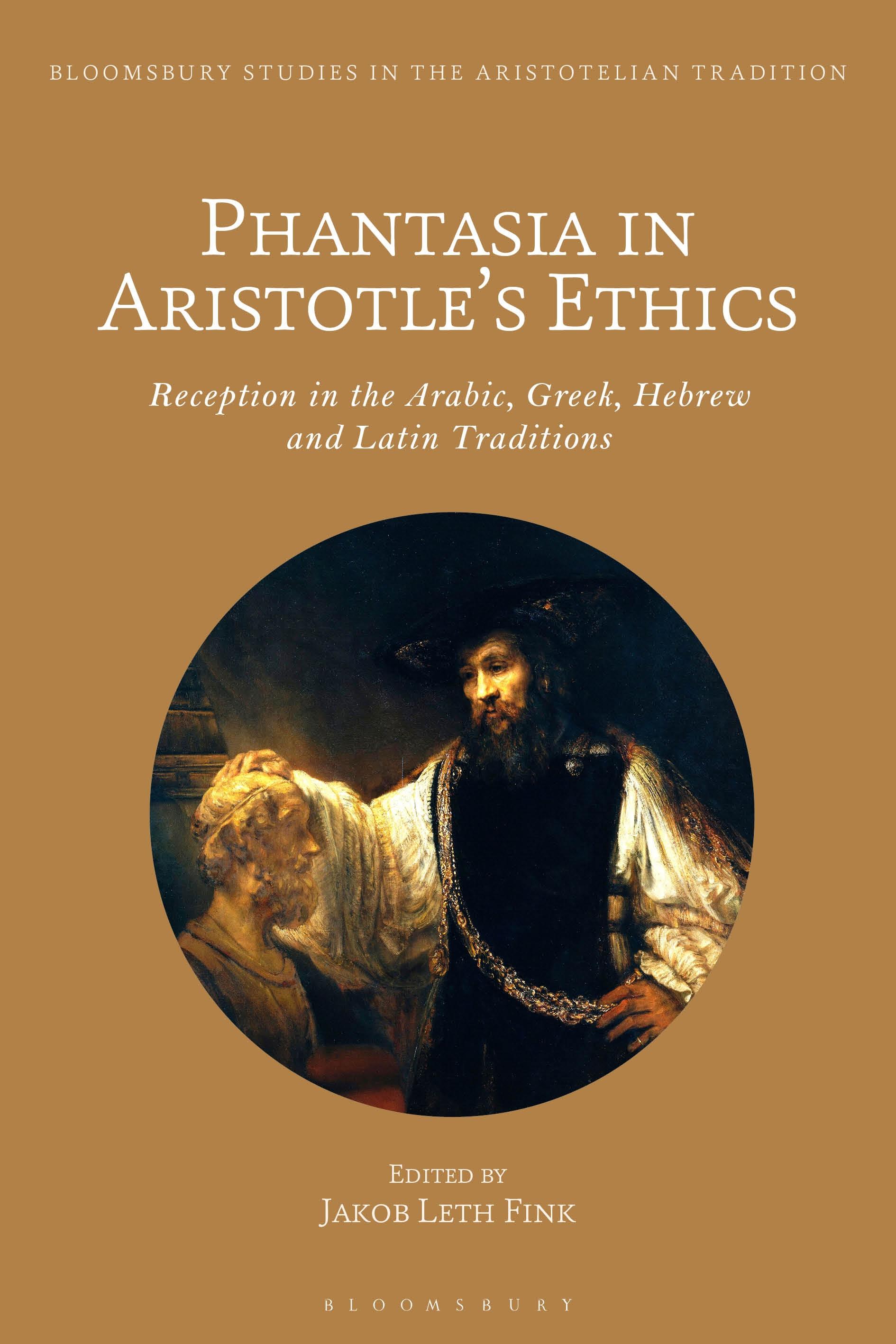
In the Nicomachean Ethics, Aristotle suggests that a moral principle 'does not immediately appear to the man who has been corrupted by pleasure or pain'. Phantasia in Aristotle's Ethics investigates his claim and its reception in ancient and medieval Aristotelian traditions, including Arabic, Greek, Hebrew and Latin.
While contemporary commentators on the Ethics have overlooked Aristotle's remark, his ancient and medieval interpreters made substantial contributions towards a clarification of the claim's meaning and relevance. Even when the hazards of transmission have left no explicit comments on this particular passage, as is the case in the Arabic tradition, medieval responders still offer valuable interpretations of phantasia (appearance) and its role in ethical deliberation and action. This volume casts light on these readings, showing how the distant voices from the medieval Arabic, Greek, Hebrew and Latin Aristotelian traditions still contribute to contemporary debate concerning phantasia, motivation and deliberation in Aristotle's Ethics.
While contemporary commentators on the Ethics have overlooked Aristotle's remark, his ancient and medieval interpreters made substantial contributions towards a clarification of the claim's meaning and relevance. Even when the hazards of transmission have left no explicit comments on this particular passage, as is the case in the Arabic tradition, medieval responders still offer valuable interpretations of phantasia (appearance) and its role in ethical deliberation and action. This volume casts light on these readings, showing how the distant voices from the medieval Arabic, Greek, Hebrew and Latin Aristotelian traditions still contribute to contemporary debate concerning phantasia, motivation and deliberation in Aristotle's Ethics.
Paga facilmente con carta, Klarna, Apple Pay o Google Pay. Non sei soddisfatto? Hai sempre 14 giorni per il rimborso. Leggi di più nei nostri termini. Per qualsiasi domanda, scrivici a hello@memmo.org.
Memmo rende lo studio più facile, ovunque tu sia nel mondo. Qui trovi i tuoi libri di testo e strumenti di studio intelligenti, tutto in un unico posto: riassunti, quiz, podcast e flashcard. E poi c'è Ted, il tuo compagno di studio che risponde a ogni tua domanda. Oltre 50.000 studenti studiano già qui: è stato creato per aiutarti a imparare più velocemente e a stressarti meno.