
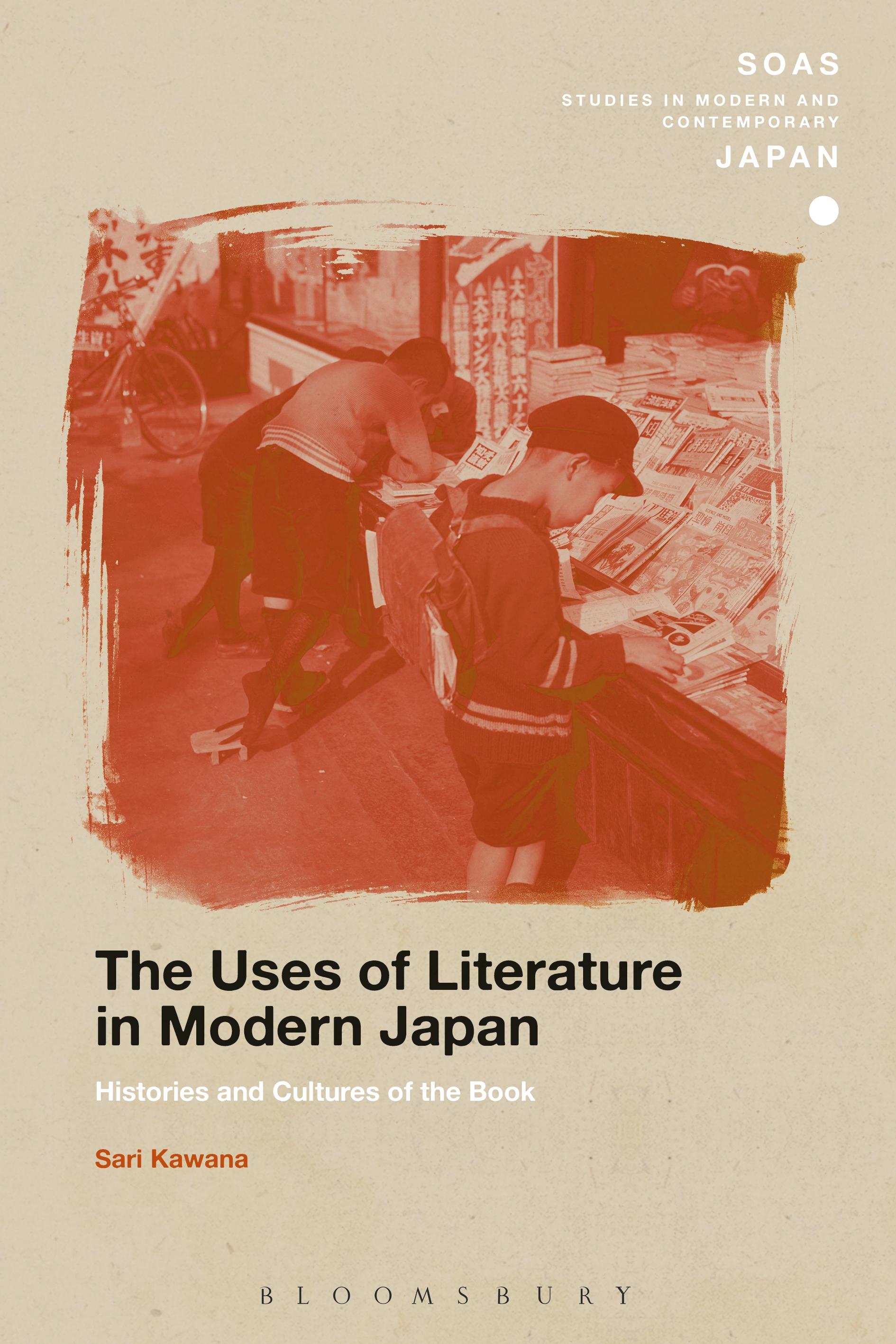
The Uses of Literature in Modern Japan explores the varying uses of literature in Japan from the late Meiji period to the present, considering how creators, conveyors, and consumers of literary content have treated texts and their authors as cultural resources to be packaged, promoted, and preserved.
As the printed word became a crucial form of entertainment and edification for an increasingly literate public in early 20th-century Japan, literature came to assume a variety of new uses. Touching upon a wide array of sources, Sari Kawana traces the ways in which literary works have morphed into different variants, ranging from textual (compilations, textbooks) and visual (film, manga, other media) to virtual and real world, through innovative publishing and reading practices. She takes up themes such as the materiality of texts, the role of publishers and advertising campaigns, the interplay between literature and other media, and the creation and dissemination of larger cultural fantasies tied to literary consumption. She stresses the agency and creativity with which readers engaged literary works, from divergent readings of propaganda literature to inventive adaptations of canonical texts in adjacent media, culminating in the practice of literary tourism.
Moving beyond close reading of texts to look at their historical context, the book will appeal not only to scholars of modern Japanese literature but also those studying the history of the book and modern Japanese cultural history.
As the printed word became a crucial form of entertainment and edification for an increasingly literate public in early 20th-century Japan, literature came to assume a variety of new uses. Touching upon a wide array of sources, Sari Kawana traces the ways in which literary works have morphed into different variants, ranging from textual (compilations, textbooks) and visual (film, manga, other media) to virtual and real world, through innovative publishing and reading practices. She takes up themes such as the materiality of texts, the role of publishers and advertising campaigns, the interplay between literature and other media, and the creation and dissemination of larger cultural fantasies tied to literary consumption. She stresses the agency and creativity with which readers engaged literary works, from divergent readings of propaganda literature to inventive adaptations of canonical texts in adjacent media, culminating in the practice of literary tourism.
Moving beyond close reading of texts to look at their historical context, the book will appeal not only to scholars of modern Japanese literature but also those studying the history of the book and modern Japanese cultural history.
Pagine: 288
Categoria: Litteraturvetenskap & Teori
e-ISBN: 9781350024908
Peso di spedizione: 1.2 kg
Spedito in: 1-2 giorni
Paga facilmente con carta, Klarna, Apple Pay o Google Pay. Non sei soddisfatto? Hai sempre 14 giorni per il rimborso. Leggi di più nei nostri termini. Per qualsiasi domanda, scrivici a hello@memmo.org.
Memmo rende lo studio più facile, ovunque tu sia nel mondo. Qui trovi i tuoi libri di testo e strumenti di studio intelligenti, tutto in un unico posto: riassunti, quiz, podcast e flashcard. E poi c'è Ted, il tuo compagno di studio che risponde a ogni tua domanda. Oltre 50.000 studenti studiano già qui: è stato creato per aiutarti a imparare più velocemente e a stressarti meno.