
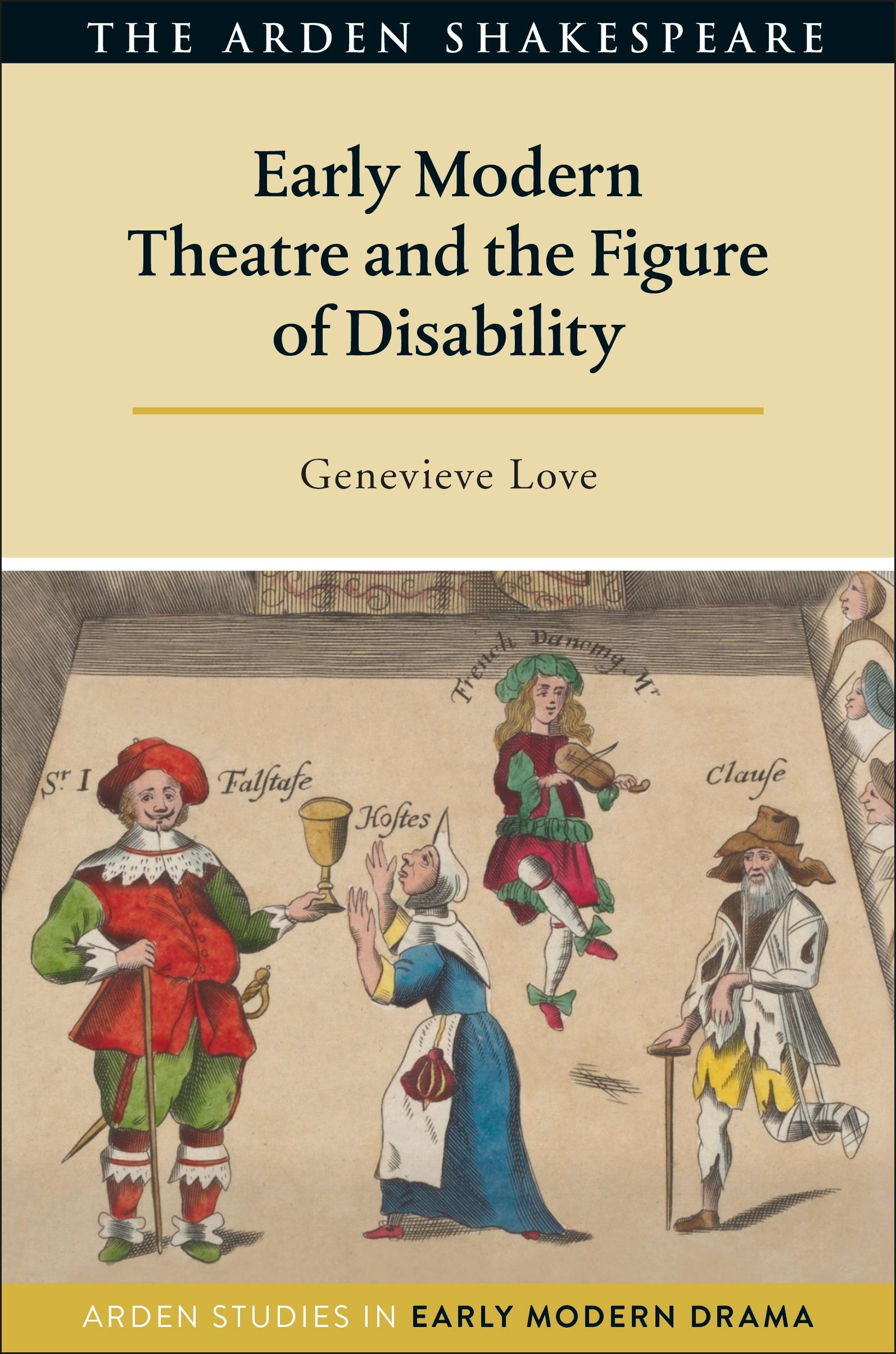
What work did physically disabled characters do for the early modern theatre? Through a consideration of a range of plays, including Doctor Faustus and Richard III, Genevieve Love argues that the figure of the physically disabled prosthetic body in early modern English theatre mediates a set of related 'likeness problems' that structure the theatrical, textual, and critical lives of the plays of Shakespeare and his contemporaries.
The figure of disability stands for the relationship between actor and character: prosthetic disabled characters with names such as Cripple and Stump capture the simultaneous presence of thefictional and the material, embodied world of the theatre. When the figure of the disabled body exits the stage, it also mediates a second problem of likeness, between plays in their performed and textual forms. While supposedly imperfect textual versions of plays have been characterized as 'lame', the dynamic movement of prosthetic disabled characters in the theatre expands the figural role which disability performs in the relationship between plays on the stage and on the page.
Early Modern Theatre and the Figure of Disability reveals how attention to physical disability enriches our understanding of early modern ideas about how theatre works, while illuminating in turn how theatre offers a reframing of disability as metaphor.
The figure of disability stands for the relationship between actor and character: prosthetic disabled characters with names such as Cripple and Stump capture the simultaneous presence of thefictional and the material, embodied world of the theatre. When the figure of the disabled body exits the stage, it also mediates a second problem of likeness, between plays in their performed and textual forms. While supposedly imperfect textual versions of plays have been characterized as 'lame', the dynamic movement of prosthetic disabled characters in the theatre expands the figural role which disability performs in the relationship between plays on the stage and on the page.
Early Modern Theatre and the Figure of Disability reveals how attention to physical disability enriches our understanding of early modern ideas about how theatre works, while illuminating in turn how theatre offers a reframing of disability as metaphor.
Pagine: 224
Categoria: Drama, Teater & Scenkonst
e-ISBN: 9781350017214
Peso di spedizione: 1.2 kg
Spedito in: 1-2 giorni
Paga facilmente con carta, Klarna, Apple Pay o Google Pay. Non sei soddisfatto? Hai sempre 14 giorni per il rimborso. Leggi di più nei nostri termini. Per qualsiasi domanda, scrivici a hello@memmo.org.
Memmo rende lo studio più facile, ovunque tu sia nel mondo. Qui trovi i tuoi libri di testo e strumenti di studio intelligenti, tutto in un unico posto: riassunti, quiz, podcast e flashcard. E poi c'è Ted, il tuo compagno di studio che risponde a ogni tua domanda. Oltre 50.000 studenti studiano già qui: è stato creato per aiutarti a imparare più velocemente e a stressarti meno.