
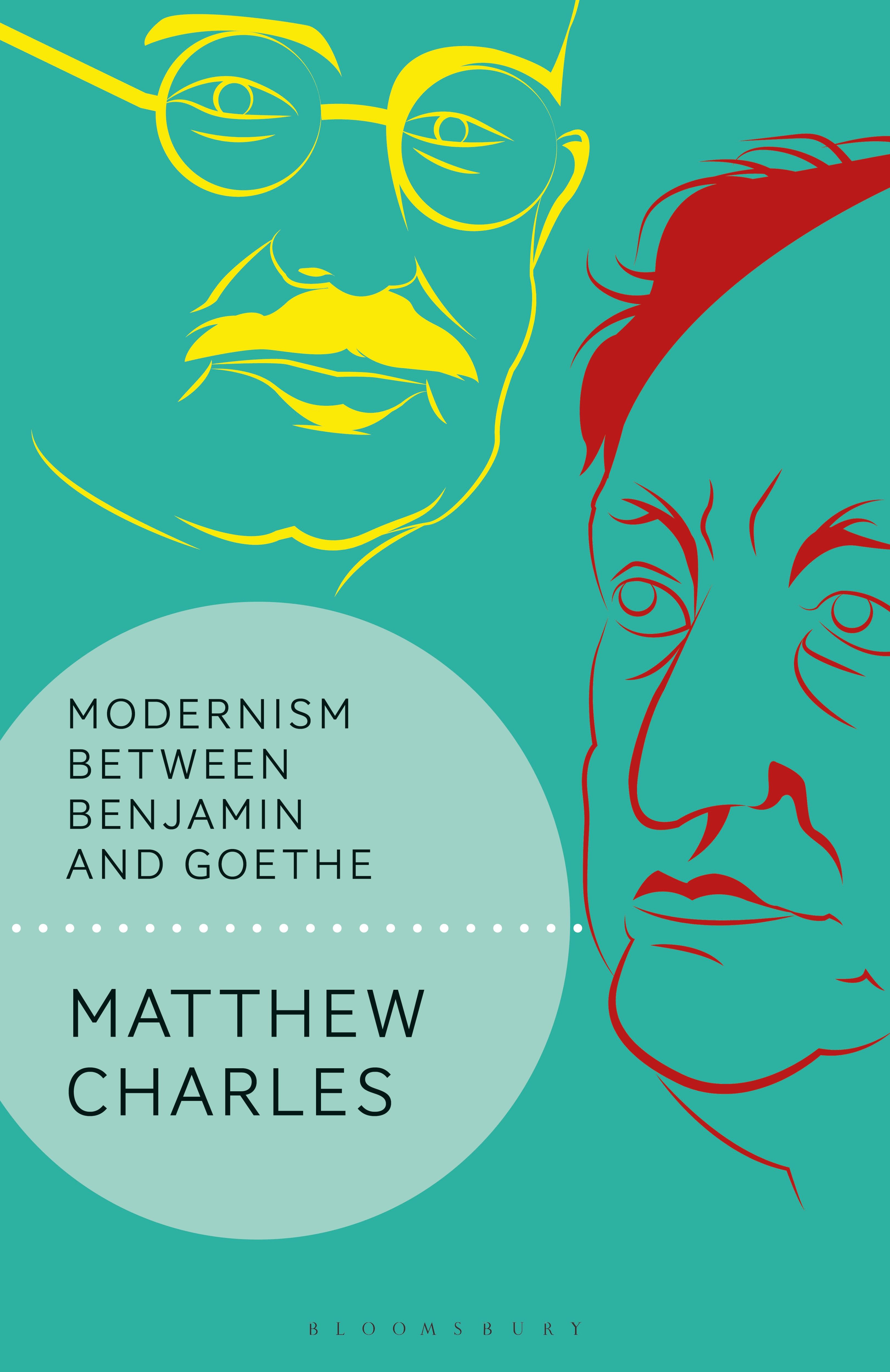
Widely regarded as one of the foremost cultural critics of the last century, Walter Benjamin's relation to Modernism has largely been understood in the context of his reception of the aesthetic theories of Early German Romanticism and his associated interest in avant-garde Surrealism. But this Romantic understanding only gives half the picture.
Running through Benjamin's thought is also a critique of Romanticism, developed in conjunction with a positive engagement with the philosophical, artistic and historical writings of J. W. von Goethe. In demonstrating the significance of these Goethean elements, this book challenges the dominant understanding of Benjamin's philosophy as essentially Romantic and instead proposes that Goethe's Classicism, conceived as the counterpoint to Romanticism, permits a corrective to the latter's deficiencies. Benjamin's Modernist concept of criticism, it is argued, is constituted in the movement between these polarities of Romanticism and Classicism.
Conversely, placing Goethe's Classicism in relation to Benjamin's practice of literary criticism reveals historical tensions with Romanticism that constitute the untimely – indeed, it will be argued, cinematic – Modernism of his work. Adopting a transcritical approach, this book alternates between Benjamin and Goethe in relation to the experiences of colour, language and technology, assembling a constellation of philosophical and artistic figures between them, including the writings of Kant, Nietzsche, Cohen, Deleuze, Koselleck, Klages, and the work of Grünewald, Marées, Klee, Turner, Hulme, Eisenstein, Tretyakov, and Murnau.
Running through Benjamin's thought is also a critique of Romanticism, developed in conjunction with a positive engagement with the philosophical, artistic and historical writings of J. W. von Goethe. In demonstrating the significance of these Goethean elements, this book challenges the dominant understanding of Benjamin's philosophy as essentially Romantic and instead proposes that Goethe's Classicism, conceived as the counterpoint to Romanticism, permits a corrective to the latter's deficiencies. Benjamin's Modernist concept of criticism, it is argued, is constituted in the movement between these polarities of Romanticism and Classicism.
Conversely, placing Goethe's Classicism in relation to Benjamin's practice of literary criticism reveals historical tensions with Romanticism that constitute the untimely – indeed, it will be argued, cinematic – Modernism of his work. Adopting a transcritical approach, this book alternates between Benjamin and Goethe in relation to the experiences of colour, language and technology, assembling a constellation of philosophical and artistic figures between them, including the writings of Kant, Nietzsche, Cohen, Deleuze, Koselleck, Klages, and the work of Grünewald, Marées, Klee, Turner, Hulme, Eisenstein, Tretyakov, and Murnau.
Pagine: 240
Categoria: Litteraturvetenskap & Teori
e-ISBN: 9781350013957
Peso di spedizione: 1.2 kg
Spedito in: 1-2 giorni
Paga facilmente con carta, Klarna, Apple Pay o Google Pay. Non sei soddisfatto? Hai sempre 14 giorni per il rimborso. Leggi di più nei nostri termini. Per qualsiasi domanda, scrivici a hello@memmo.org.
Memmo rende lo studio più facile, ovunque tu sia nel mondo. Qui trovi i tuoi libri di testo e strumenti di studio intelligenti, tutto in un unico posto: riassunti, quiz, podcast e flashcard. E poi c'è Ted, il tuo compagno di studio che risponde a ogni tua domanda. Oltre 50.000 studenti studiano già qui: è stato creato per aiutarti a imparare più velocemente e a stressarti meno.