
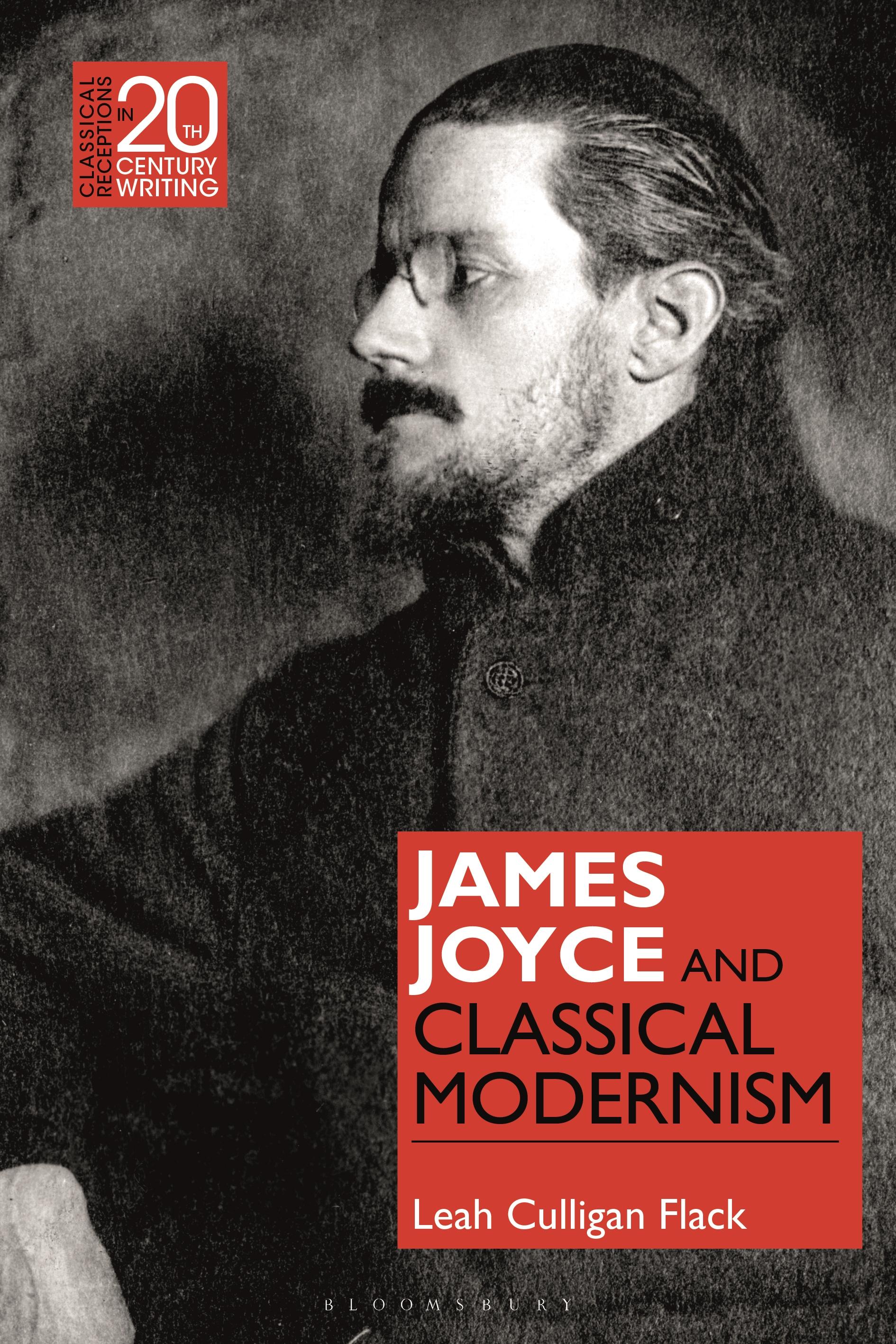
James Joyce and Classical Modernism contends that the classical world animated Joyce's defiant, innovative creativity and cannot be separated from what is now recognized as his modernist aesthetic. Responding to a long-standing critical paradigm that has viewed the classical world as a means of granting a coherent order, shape, and meaning to Joyce's modernist innovations, Leah Flack explores how and why Joyce's fiction deploys the classical as the language of the new.
This study tracks Joyce's sensitive, on-going readings of classical literature from his earliest work at the turn of the twentieth century through to the appearance of Ulysses in 1922, the watershed year of high modernist writing. In these decades, Joyce read ancient and modern literature alongside one another to develop what Flack calls his classical modernist aesthetic, which treats the classical tradition as an ally to modernist innovation. This aesthetic first comes to full fruition in Ulysses, which self-consciously deploys the classical tradition to defend stylistic experimentation as a way to resist static, paralyzing notions of the past. Analysing Joyce's work through his career from his early essays, Flack ends by considering the rich afterlives of Joyce's classical modernist project, with particular attention to contemporary works by Alison Bechdel and Maya Lang.
This study tracks Joyce's sensitive, on-going readings of classical literature from his earliest work at the turn of the twentieth century through to the appearance of Ulysses in 1922, the watershed year of high modernist writing. In these decades, Joyce read ancient and modern literature alongside one another to develop what Flack calls his classical modernist aesthetic, which treats the classical tradition as an ally to modernist innovation. This aesthetic first comes to full fruition in Ulysses, which self-consciously deploys the classical tradition to defend stylistic experimentation as a way to resist static, paralyzing notions of the past. Analysing Joyce's work through his career from his early essays, Flack ends by considering the rich afterlives of Joyce's classical modernist project, with particular attention to contemporary works by Alison Bechdel and Maya Lang.
Pagine: 176
Categoria: Litteraturvetenskap & Teori
e-ISBN: 9781350004115
Peso di spedizione: 1.2 kg
Spedito in: 1-2 giorni
Paga facilmente con carta, Klarna, Apple Pay o Google Pay. Non sei soddisfatto? Hai sempre 14 giorni per il rimborso. Leggi di più nei nostri termini. Per qualsiasi domanda, scrivici a hello@memmo.org.
Memmo rende lo studio più facile, ovunque tu sia nel mondo. Qui trovi i tuoi libri di testo e strumenti di studio intelligenti, tutto in un unico posto: riassunti, quiz, podcast e flashcard. E poi c'è Ted, il tuo compagno di studio che risponde a ogni tua domanda. Oltre 50.000 studenti studiano già qui: è stato creato per aiutarti a imparare più velocemente e a stressarti meno.