
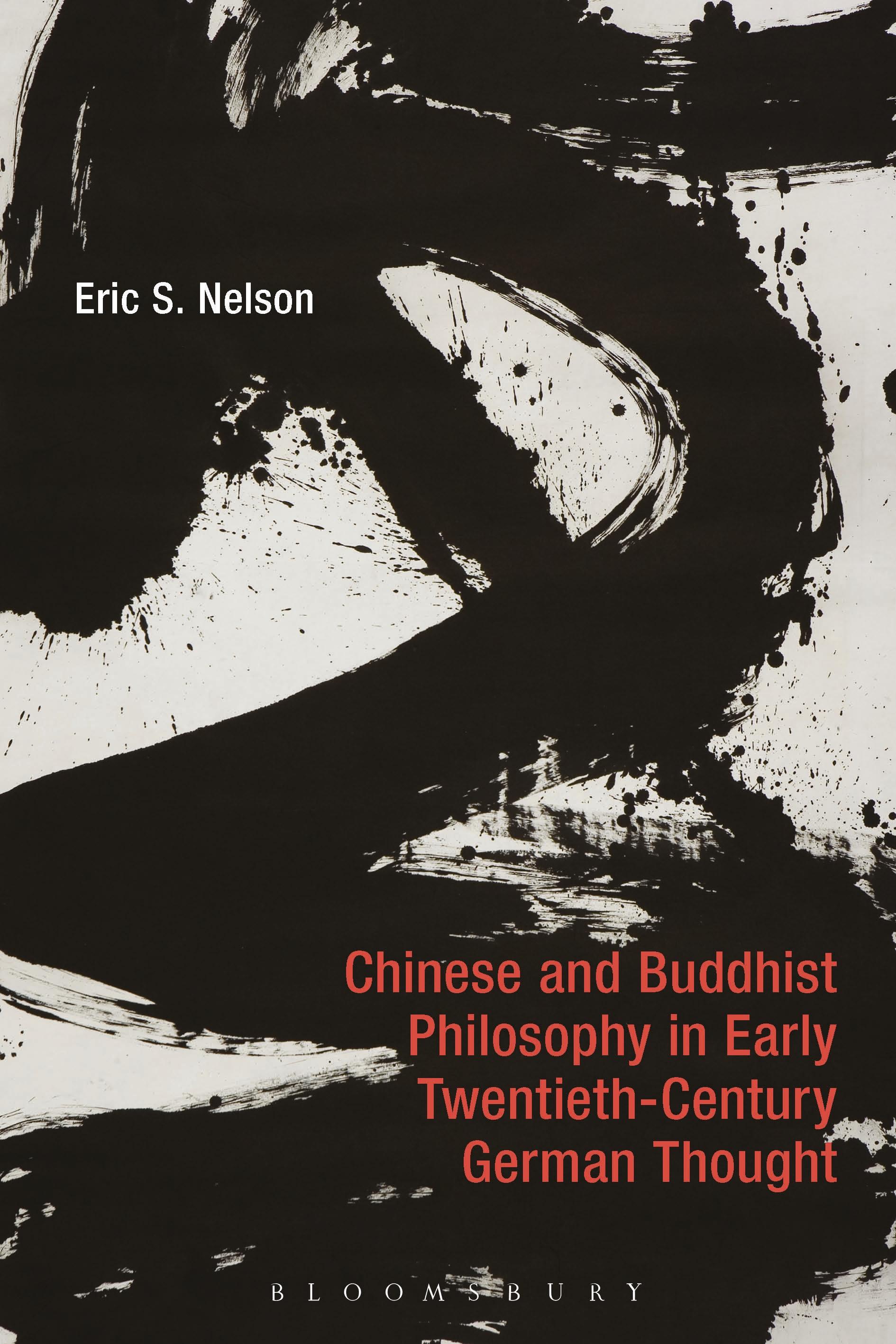
Presenting a comprehensive portrayal of the reading of Chinese and Buddhist philosophy in early twentieth-century German thought, Chinese and Buddhist Philosophy in Early Twentieth-Century German Thought examines the implications of these readings for contemporary issues in comparative and intercultural philosophy.
Through a series of case studies from the late 19th-century and early 20th-century, Eric Nelson focuses on the reception and uses of Confucianism, Daoism, and Buddhism in German philosophy, covering figures as diverse as Buber, Heidegger, and Misch. He argues that the growing intertextuality between traditions cannot be appropriately interpreted through notions of exclusive identities, closed horizons, or unitary traditions. Providing an account of the context, motivations, and hermeneutical strategies of early twentieth-century European thinkers' interpretation of Asian philosophy, Nelson also throws new light on the question of the relation between Heidegger and Asian philosophy. Reflecting the growing interest in the possibility of intercultural and global philosophy, Chinese and Buddhist Philosophy in Early Twentieth-Century German Thought opens up the possibility of a more inclusive intercultural conception of philosophy.
Through a series of case studies from the late 19th-century and early 20th-century, Eric Nelson focuses on the reception and uses of Confucianism, Daoism, and Buddhism in German philosophy, covering figures as diverse as Buber, Heidegger, and Misch. He argues that the growing intertextuality between traditions cannot be appropriately interpreted through notions of exclusive identities, closed horizons, or unitary traditions. Providing an account of the context, motivations, and hermeneutical strategies of early twentieth-century European thinkers' interpretation of Asian philosophy, Nelson also throws new light on the question of the relation between Heidegger and Asian philosophy. Reflecting the growing interest in the possibility of intercultural and global philosophy, Chinese and Buddhist Philosophy in Early Twentieth-Century German Thought opens up the possibility of a more inclusive intercultural conception of philosophy.
Paga facilmente con carta, Klarna, Apple Pay o Google Pay. Non sei soddisfatto? Hai sempre 14 giorni per il rimborso. Leggi di più nei nostri termini. Per qualsiasi domanda, scrivici a hello@memmo.org.
Memmo rende lo studio più facile, ovunque tu sia nel mondo. Qui trovi i tuoi libri di testo e strumenti di studio intelligenti, tutto in un unico posto: riassunti, quiz, podcast e flashcard. E poi c'è Ted, il tuo compagno di studio che risponde a ogni tua domanda. Oltre 50.000 studenti studiano già qui: è stato creato per aiutarti a imparare più velocemente e a stressarti meno.