
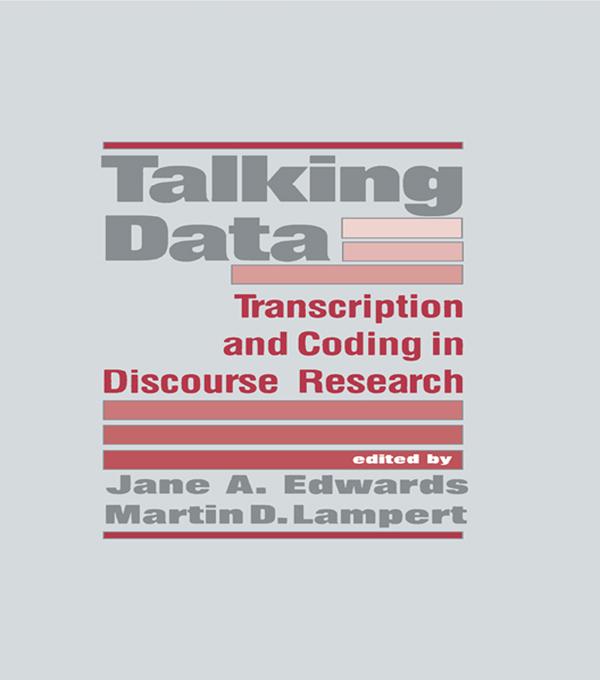
This book presents the reader with a set of diverse, carefully developed and clearly specified systems of transcription and coding, arising from contrasting theoretical perspectives, and presented as alternative choices, situated within the theoretical domain most natural to each. The perspectives represented include first and second language acquisition, interethnic and crosscultural interaction, information structure, and the study of discourse influences on linguistic expression.
In the contributed chapters, the designers of these systems provide a distillation of collective experiences from the past quarter century, telling in their own words their perspectives on language processes, how these perspectives have shaped their choice of methodology in transcription and coding of natural language, and describing their systems in detail. Overview chapters by the editors then provide design principles and guidelines concerning issues pertinent to all systems, including such things as reliability, validity, ease of learning, computational tractability, and robustness against error. The final chapter is a compendium of existing computerized archives of language data and information sources together with details concerning data access and use.
Paga facilmente con carta, Klarna, Apple Pay o Google Pay. Non sei soddisfatto? Hai sempre 14 giorni per il rimborso. Leggi di più nei nostri termini. Per qualsiasi domanda, scrivici a hello@memmo.org.
Memmo rende lo studio più facile, ovunque tu sia nel mondo. Qui trovi i tuoi libri di testo e strumenti di studio intelligenti, tutto in un unico posto: riassunti, quiz, podcast e flashcard. E poi c'è Ted, il tuo compagno di studio che risponde a ogni tua domanda. Oltre 50.000 studenti studiano già qui: è stato creato per aiutarti a imparare più velocemente e a stressarti meno.