
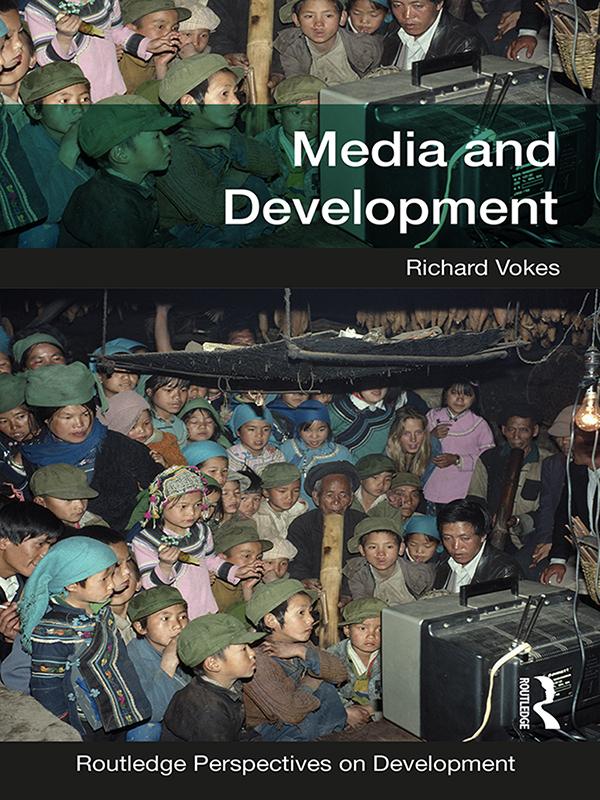
At the start of the 21st century, the relationship between media and development has never felt more important. Following a series of ‘media revolutions’ throughout the developing world – beginning with the advent of cheap transistor radio sets in the late-1960s, followed by the rapid expansion of satellite television networks in the 1990s, and the more recent explosion of mobile telephony, social media and the internet – a majority of people living in the Global South now have access to a wide variety of Information and Communications Technologies (ICTs), and live in media saturated environments.
Yet how can radio, television and mobile phones be most effectively harnessed towards the goals of purposive economic, social, and political change? Should they be seen as primarily a provider of channels through which ‘useful information’ can be delivered to target populations – in the hope that such information will alter those populations’ existing behaviours? Or should they be seen as a tool for facilitating ‘two-way communication’ between development providers and their recipients (i.e. as technologies for improving ‘participatory development’)? Or should new media environments be approached simply as sites in which people living in the developing world can define ‘development’ on their own terms?
This timely and original book – which is based on a critical reading of the relevant literatures, and on the author’s own extensive primary research – introduces readers to all of these questions, and helps them to reach their own informed positions on each. It also examines the history of, and current debates regarding, media representations of development. Drawing on case studies from all over the world – including: ‘hate radio’ in Rwanda; theatre for development in India; telenovelas in Latin America; mobile banking and money in Africa, and; GIS and humanitarianism in Haiti – it will be of interest to all undergraduate and postgraduate students of media and development; international development professionals, and; simply to anyone with an interest in how media does, can, or should, change the world.
Paga facilmente con carta, Klarna, Apple Pay o Google Pay. Non sei soddisfatto? Hai sempre 14 giorni per il rimborso. Leggi di più nei nostri termini. Per qualsiasi domanda, scrivici a hello@memmo.org.
Memmo rende lo studio più facile, ovunque tu sia nel mondo. Qui trovi i tuoi libri di testo e strumenti di studio intelligenti, tutto in un unico posto: riassunti, quiz, podcast e flashcard. E poi c'è Ted, il tuo compagno di studio che risponde a ogni tua domanda. Oltre 50.000 studenti studiano già qui: è stato creato per aiutarti a imparare più velocemente e a stressarti meno.