
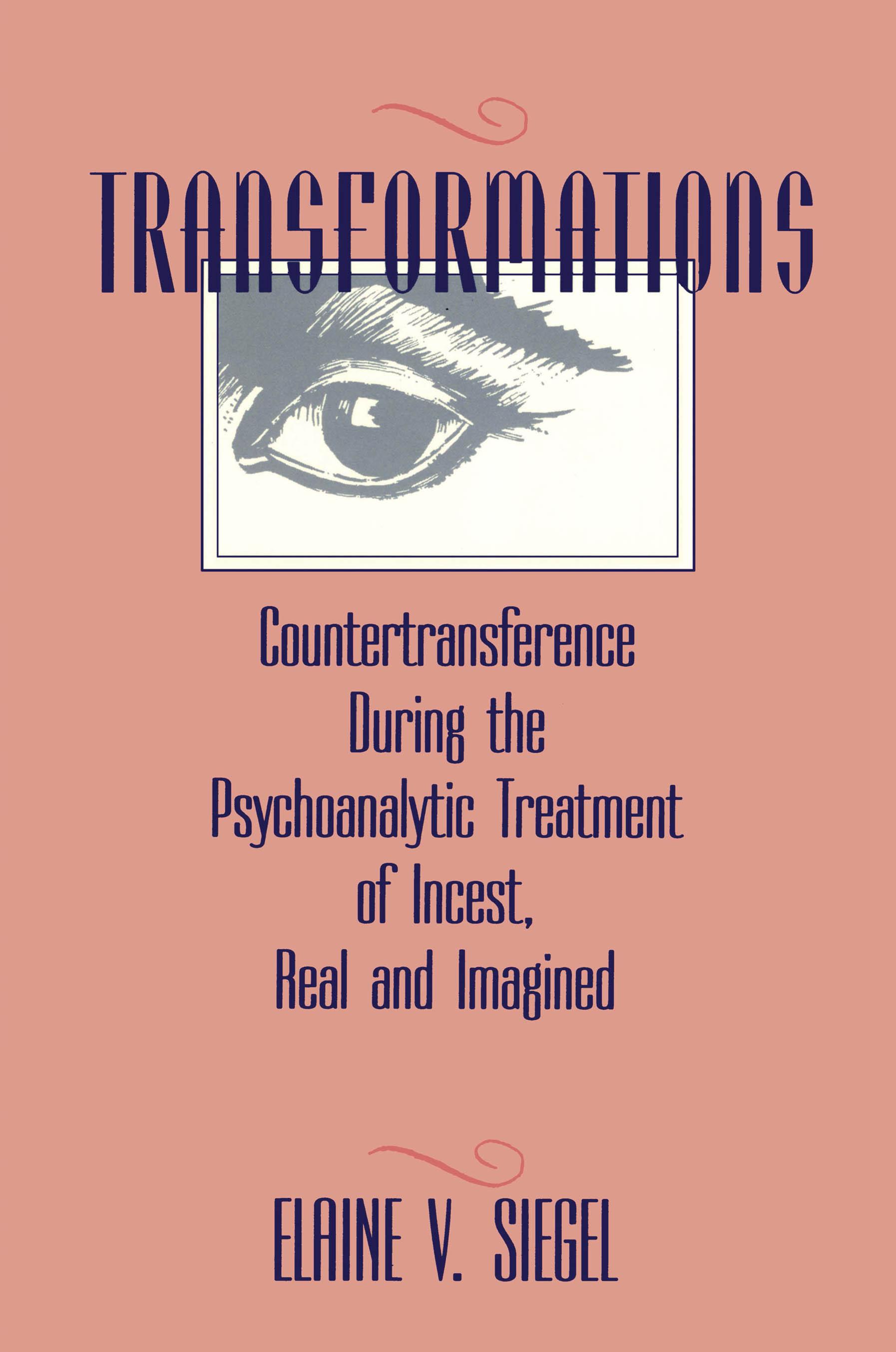
In recent years, memories and reconstructions of incestuous child abuse have become common features of psychoanalytic treatment. Among some clinicians, such abuse is suspected even when there is little evidence. How does the analyst distinguish between incest real and imagined, and how do recovered memories of incest affect the analyst?
In this poignant and beautifully written study, Elaine Siegel brings new insights to bear on these timely questions. An inveterate note taker, she discloses the countertransferential ruminations and associations to the occurrence of incest at various stages during the treatment process over the course of 30 years of clinical work. The manner in which her "analytic instrument" evolved and was shaped by her analysands' stories makes for a fascinating subtext in a book that addresses itself to the differences and similarities during treatment of real and imagined incestuous abuse.
Among the powrfully disturbing clinical cases at the heart of this study are two reports detailing the lengthy analyses of women who found corroboration for multigenerational incest. Siegel also presents two cases in which patients retracted their claims of incest toward the end of their treatments. Through the medium of these and other reports, Siegel explores how psychoanalysts are struggling both to understand incestuous abuse and to accomodate their treatment techniques to shifting societal perspectives.
Paga facilmente con carta, Klarna, Apple Pay o Google Pay. Non sei soddisfatto? Hai sempre 14 giorni per il rimborso. Leggi di più nei nostri termini. Per qualsiasi domanda, scrivici a hello@memmo.org.
Memmo rende lo studio più facile, ovunque tu sia nel mondo. Qui trovi i tuoi libri di testo e strumenti di studio intelligenti, tutto in un unico posto: riassunti, quiz, podcast e flashcard. E poi c'è Ted, il tuo compagno di studio che risponde a ogni tua domanda. Oltre 50.000 studenti studiano già qui: è stato creato per aiutarti a imparare più velocemente e a stressarti meno.