
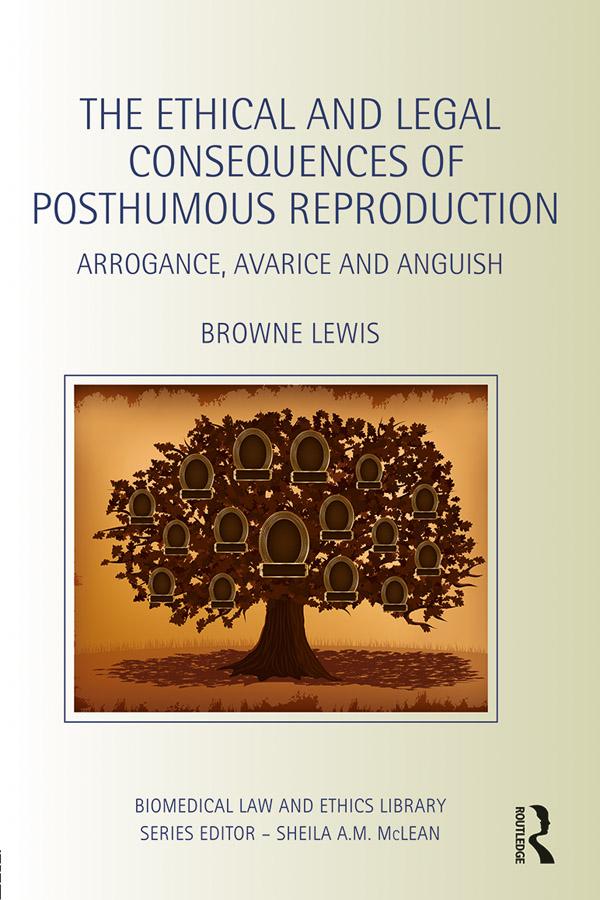
Posthumous reproduction refers to the procedure that enables a child to be conceived using the gametes of a dead person. Advances in reproductive technology mean it is now possible to assist in creating a life after you die, and in recent years the number of women who have attempted to get pregnant using posthumous reproduction has increased. However, the law in many jurisdictions has not put regulations in place to deal with the ethical and legal consequences that arise as a result of posthumous reproduction.
This is the first book to exclusively focus on posthumous reproduction. The book comprehensively explores the legal and ethical issues surrounding posthumous reproduction in a number of jurisdictions including the US, Israel, the UK and France. The book looks at a number of issues including: ascertaining the wishes of the dead and protecting the reproductive rights of men who have deposited frozen sperm in clinics prior to their deaths; cases involving people who want to acquire fresh sperm from deceased or incompetent men and determining who should have the right to accept the sperm; identifying the parents of the posthumously conceived child; and discussing the need to promote the best interests of the child. The book critically examines the current laws that are in place and proposes additional regulations and policies in order to effectively regulate posthumous reproduction.
Paga facilmente con carta, Klarna, Apple Pay o Google Pay. Non sei soddisfatto? Hai sempre 14 giorni per il rimborso. Leggi di più nei nostri termini. Per qualsiasi domanda, scrivici a hello@memmo.org.
Memmo rende lo studio più facile, ovunque tu sia nel mondo. Qui trovi i tuoi libri di testo e strumenti di studio intelligenti, tutto in un unico posto: riassunti, quiz, podcast e flashcard. E poi c'è Ted, il tuo compagno di studio che risponde a ogni tua domanda. Oltre 50.000 studenti studiano già qui: è stato creato per aiutarti a imparare più velocemente e a stressarti meno.