
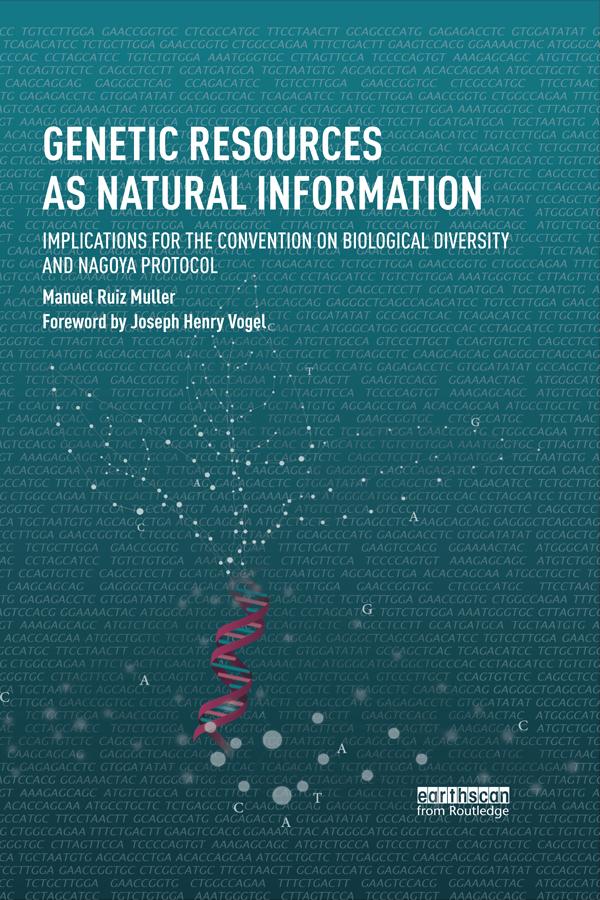
Demonstrating the shortcomings of current policy and legal approaches to access and benefit-sharing (ABS) in the Convention on Biological Diversity (CBD), this book recognizes that genetic resources are widely distributed across countries and that bilateral contracts undermine fairness and equity. The book offers a practical and feasible regulatory alternative to ensure the goal of fairness and equity is effectively and efficiently met.
Through a legal analysis that also incorporates historic, economic and sociological perspectives, the book argues that genetic resources are not tangible resources but information. It shows that the existing preference for bilateralism and contracts reflects resistance on the part of many of the stakeholders involved in the CBD process to recognize them as such. ABS issues respond very well to the economics of information, yet as the author explains, these have been either sidelined or overlooked.
At a time when the Nagoya Protocol on ABS has renewed interest in feasible policy options, the author provides a constructive and provocative critique. The institutional, policy and regulatory framework constitute "bounded openness" under which fairness and equity emerge.
Paga facilmente con carta, Klarna, Apple Pay o Google Pay. Non sei soddisfatto? Hai sempre 14 giorni per il rimborso. Leggi di più nei nostri termini. Per qualsiasi domanda, scrivici a hello@memmo.org.
Memmo rende lo studio più facile, ovunque tu sia nel mondo. Qui trovi i tuoi libri di testo e strumenti di studio intelligenti, tutto in un unico posto: riassunti, quiz, podcast e flashcard. E poi c'è Ted, il tuo compagno di studio che risponde a ogni tua domanda. Oltre 50.000 studenti studiano già qui: è stato creato per aiutarti a imparare più velocemente e a stressarti meno.