
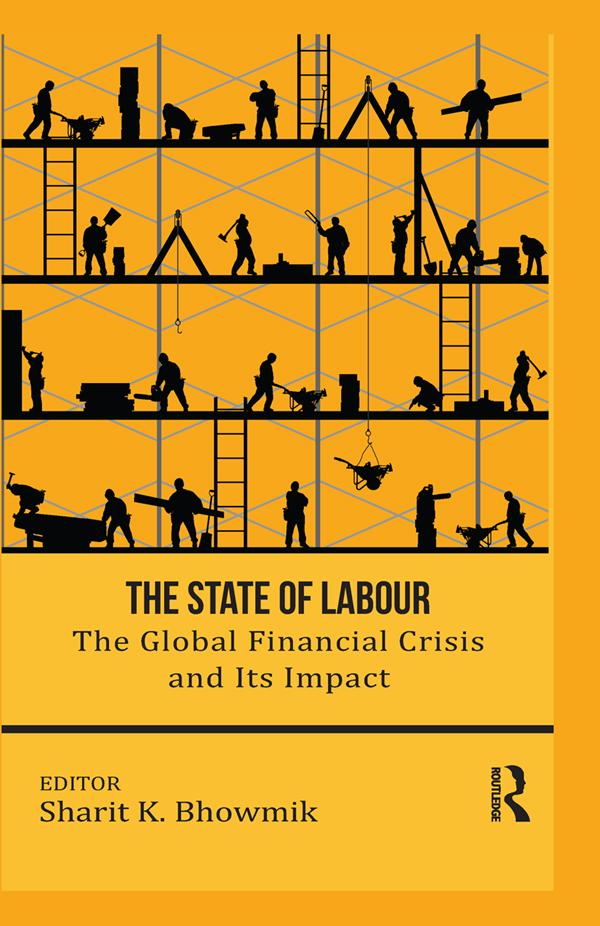
This book analyzes the adverse effects of globalization and liberalization — acutely manifest in the increased financialization of capital and the concomitant global financial crisis of 2008–09 — on the labour force, especially in the developing countries. Drawing upon case studies from several countries including India, Columbia, Malawi, Brazil and Thailand, it highlights the worsening plight of working class as a whole and informal labour in particular. The essays examine issues such as down-sizing, lowering of wages, insecurity and erosion of labour rights, and show how labour is grappling with the situation.
The volume critically re-assesses varied aspects of the growing informal sector: its dubious credential as an employment provider during crises; its non-adherence to internationally recognized standards of decent work; the problems and potential of workers' unions; and the need for a regulatory regime. It also discusses changes in the Indian labour market induced by business environment and technology as well as its future dynamics. Presenting a historical review of labour markets, the work explores the deregulation wave under the globalization of 1980s and the interactions between existing unstable asset markets and labour markets.
The book will prove especially useful to students and scholars in economics, labour studies and sociology, and those engaged in public policy and governance.
Paga facilmente con carta, Klarna, Apple Pay o Google Pay. Non sei soddisfatto? Hai sempre 14 giorni per il rimborso. Leggi di più nei nostri termini. Per qualsiasi domanda, scrivici a hello@memmo.org.
Memmo rende lo studio più facile, ovunque tu sia nel mondo. Qui trovi i tuoi libri di testo e strumenti di studio intelligenti, tutto in un unico posto: riassunti, quiz, podcast e flashcard. E poi c'è Ted, il tuo compagno di studio che risponde a ogni tua domanda. Oltre 50.000 studenti studiano già qui: è stato creato per aiutarti a imparare più velocemente e a stressarti meno.